
Planting
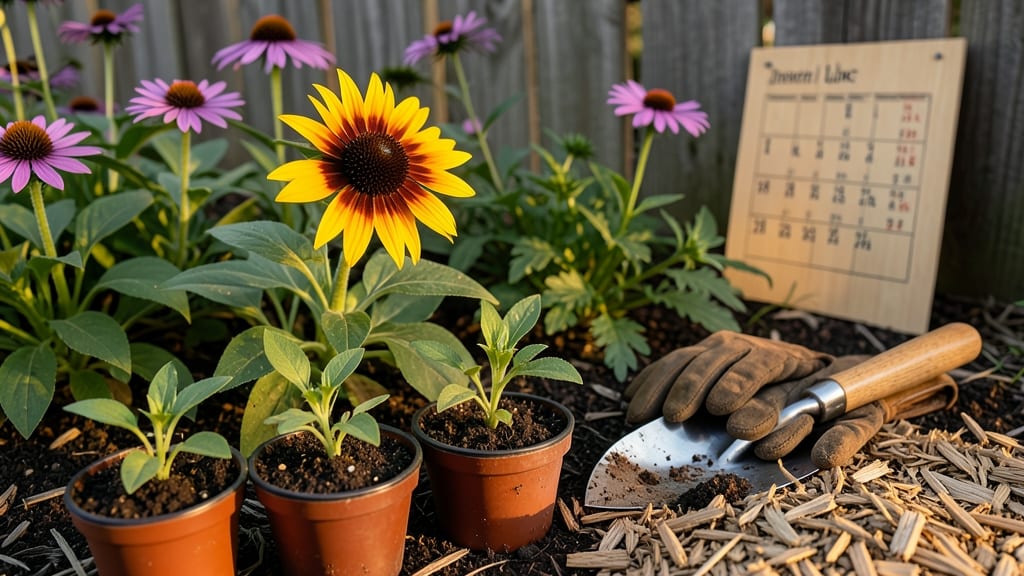
Knowing when to plant a garden in Indiana isn’t just about following a calendar—it’s about beating the unpredictable spring frost that could wipe out your hard work in 5 minutes of a late freeze.
With USDA Zones 5b-6a, timing your garden means the difference between a bumper crop and a sad, half-dead garden bed.
Most gardeners in Indiana wait until after the last frost date—typically around April 15—but the real secret is adjusting for your microclimate.
Whether you're in chilly South Bend or warmer Gary, the right window for planting everything from tomatoes to marigolds depends on soil temperature, not just the calendar.
I’ve dug into the data to give you the exact planting schedule for spring and fall, plus how to handle Indiana’s infamous weather whiplash. You’ll learn which crops to start indoors, when to direct-sow, and how to protect tender seedlings from surprise cold snaps.
Ready to stop guessing and start growing? Let’s get your Indiana garden on the right track—because timing is the one thing you can control, no matter how wild the weather gets.
Indiana planting zones 5b-6a: exact dates by crop type (cold-hardy vs. warm-season)
Indiana’s Zone 5b-6a climate means your planting schedule should balance cold-hardy crops with warm-season favorites. The average last frost date hovers around April 15, but microclimates near cities like Indianapolis or Bloomington can delay frost by a week or more.
Always check your local Indiana State Climate Office for real-time updates—this year’s frost date might differ by 10 days!
For cool-season crops like lettuce, spinach, and peas, start seeds indoors in mid-March or sow directly in early April. These plants tolerate light frosts and even thrive in 50°F soil.
Meanwhile, warm-season crops such as tomatoes, peppers, and beans need to wait until mid-May after soil warms to 60°F+.
🌱
| Crop Type | Planting Window | Soil Temp Requirement | Notes |
|---|---|---|---|
| Cold-Hardy Vegetables | Mid-March (indoors) / Early April (outdoors) | 40-50°F | Lettuce, spinach, peas, kale |
| Warm-Season Vegetables | Mid-May (after last frost) | 60°F+ | Tomatoes, peppers, beans, cucumbers |
| Herbs | Late April (hardy) / Mid-May (tender) | 50-60°F | Basil (wait), parsley (early), cilantro (fall) |
| Flowers | Early April (annuals) / Fall (perennials) | 45-65°F | Marigolds, zinnias, cosmos (annuals) |
| Fall Planting | August-September | 55-60°F | Kale, radishes, broccoli (6-8 weeks before first frost) |
🌿
Don’t overlook fall planting—Indiana’s 165 frost-free days allow for a second harvest of cool-season crops. Seed broccoli or radishes in late August for a November harvest. Use row covers to extend the season by 2-3 weeks if frost threatens early.
For perennials, like asparagus or rhubarb, plant crowns in early spring (March-April) or fall (September-October). These plants establish deep roots and reward patience with years of harvests. In northern Indiana, aim for late April planting to avoid late frosts.
🌱
Pro tip: Use a soil thermometer to confirm readiness—60°F soil is non-negotiable for tomatoes and peppers. If your soil is still cold in mid-May, opt for early-maturing varieties or use black plastic mulch to warm the earth faster.
For herbs like basil, wait until nighttime temps stay above 55°F to avoid shock.
🌡️
Regional tweaks matter! Cities like Gary (near Lake Michigan) experience warmer microclimates and can plant 1-2 weeks earlier than rural areas. Meanwhile, South Bend may need to delay by a week due to cooler lake breezes.
Always scout your garden’s sun exposure—shady spots warm up 3-5 days later than full-sun beds.
✂️
How to adjust planting times for Indiana’s unpredictable weather (frost risks & heat waves)
Indiana’s unpredictable frost dates can throw off even the most experienced gardeners. While the average last frost hovers around April 15, I’ve seen it swing from early March to late May in my years gardening here.
Don’t rely on averages—use the Indiana State Climate Office’s frost maps to track real-time data for your county.
For cold-hardy crops like peas and spinach, I start seeds indoors by March 1 and transplant them as soon as soil reaches 40°F. This gives them a head start before unpredictable late frosts. Warm-season plants like tomatoes and peppers?
Wait until after Mother’s Day—when soil hits 60°F—to avoid stunted growth from cool nights.
🌱
⚠️ Warning: Late Frosts Can Wipe Out Your Garden
Never plant warm-season crops before checking your local frost risk. Use row covers or cold frames to protect seedlings if nighttime temps dip below 32°F after planting. My tomato plants in 2020 were fried by a May frost—a lesson I won’t forget!
To extend your growing season, I swear by season extenders. For spring, use low tunnels or hoop houses to trap heat and plant broccoli and cabbage as early as March 15.
In fall, black plastic mulch can push harvests into November for crops like kale and carrots. Just remove it before the first hard frost to avoid overheating.
Heat waves are another Indiana wild card. If temps soar above 90°F before your tomatoes or peppers set fruit, I move them to shade cloth or provide afternoon shade with burlap sacks. Drip irrigation keeps roots cool—never water overhead during heat waves, or you’ll risk blossom-end rot in tomatoes.
For heat-sensitive plants, choose early-maturing varieties like ‘Early Girl’ tomatoes (65 days) or ‘Sweet 100’ peppers (60 days). These give you a harvest before summer’s worst heat sets in. And always have backup seeds
💧