
Planting
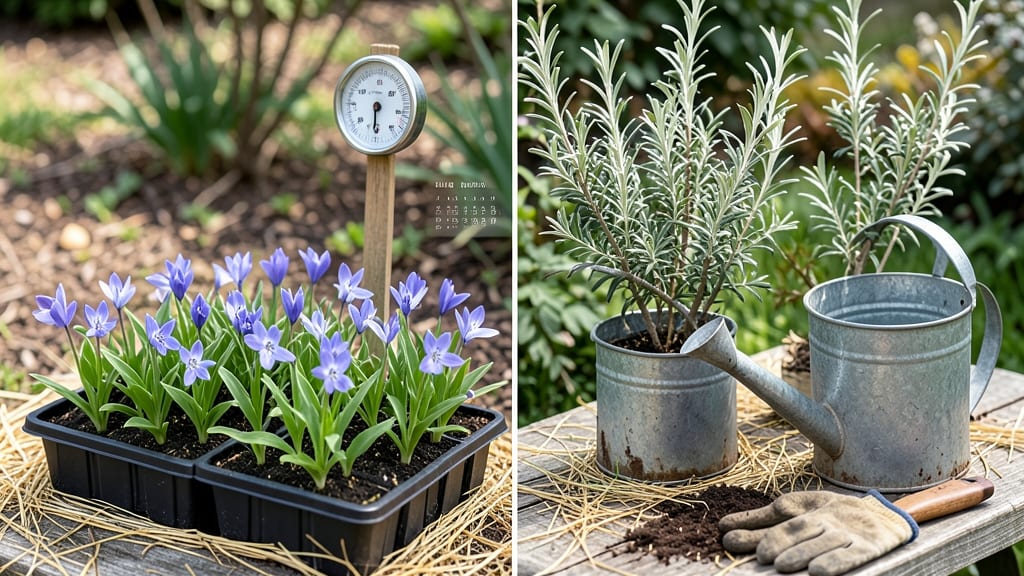
Timing when to plant a garden in Colorado just right can mean the difference between a thriving harvest and a failed season—especially when last frost dates shift dramatically from the Front Range to the Western Slope.
With USDA Zones 5-7 and elevations ranging from 2,000 to 10,000 feet, Colorado’s planting windows feel like a puzzle. But don’t worry—I’ll break down the exact deadlines for cool-season crops like peas and spinach versus warm-season stars like tomatoes and peppers, so you never miss a beat.
Whether you’re in Denver’s urban heat or a high-altitude valley, microclimates can push your planting window weeks earlier or later than the average calendar. Let’s dive into the science behind Colorado’s frost-free days and how to adjust your schedule for success.
By the end, you’ll know exactly when to start seeds indoors, transplant seedlings, and even squeeze in a second planting for a fall harvest. Ready to turn your garden into a year-round victory?
Colorado planting deadlines by Zone (4-7) and elevation: exact dates for cool-season vs. warm-season crops
Colorado’s USDA zones 4-7 and dramatic elevation shifts—from 2,000 feet in Denver to over 10,000 feet in the mountains—create wildly different planting windows. Last frost dates can vary by 4-6 weeks between lowland Denver and high-altitude Boulder or Grand Junction.
For example, Denver’s last frost typically hits April 15–May 1, while Aspen’s may linger until June 15.
To simplify, I’ve broken down cool-season crops (like peas and spinach) and warm-season crops (like tomatoes and peppers) by elevation and zone. Cool-season plants thrive when soil temps hit 40–50°F, while warm-season crops need 60°F+ soil and wait until after the last frost. First frost dates also shift drastically—Denver’s arrives October 15–30, while mountain towns like Durango may see frost as early as September 15.
Pro Tip: Use Colorado State University’s Frost Date Calculator (available via CSU Extension) to pinpoint your exact last frost date. This tool accounts for your elevation, latitude, and microclimate—critical for high-altitude gardeners. For instance, a 5,000-foot elevation in Colorado Springs might have a last frost 2 weeks earlier than a 7,000-foot garden in Fort Collins.
For cool-season crops, aim to plant 4–6 weeks before your last frost date.
For example, if your last frost is May 1, sow spinach and peas by March 15–April 1. Warm-season crops like tomatoes and peppers need to wait until 2 weeks after the last frost to avoid chilling injury.
In Denver (Zone 5), that means May 15–June 1 is your window.
Colorado’s short growing season (typically 90–120 frost-free days in higher zones) demands smart planning. Fall planting is your secret weapon—sow kale, carrots, and radishes in late August for a harvest before first frost.
In Zone 6 (e.g., Colorado Springs), you can even squeeze in a second warm-season crop like bush beans in early July.
Don’t overlook microclimates. A south-facing slope warms up faster than a north-facing valley, while urban Denver can be 5–10°F warmer than rural areas. For instance, Boulder’s flatirons may have a last frost 2 weeks later than downtown Boulder due to cold air pooling.
Use row covers or
How to adjust planting times for Colorado’s microclimates: urban heat islands, mountain slopes, and wind exposure
Colorado’s microclimates can shift planting windows by weeks—or even months—depending on your location. A Denver urban garden might bake in urban heat islands, while a mountain valley could linger in frost long after the Front Range warms up.
Understanding these variations ensures your cool-season crops don’t bolt and your warm-season plants survive late frosts.
Start by identifying your local microclimate. Urban areas like Denver or Colorado Springs often experience earlier last frosts (as early as March 15–April 1) due to heat absorption from buildings and pavement.
Meanwhile, high-altitude valleys (e.g., Grand Junction or Durango) can see frosts as late as May 15–June 1, delaying planting by 4–6 weeks. Wind exposure also matters—exposed gardens on the Western Slope may need windbreaks to protect seedlings.
Plant 2–3 weeks earlier than rural areas. Urban soils warm faster, allowing spinach or peas to start by late February in Denver.
Delay planting by 3–4 weeks above 7,000 ft. Tomatoes or peppers may need to wait until June 1 in Fort Collins.
Use windbreaks (e.g., corn stalks or burlap screens) to protect delicate seedlings. Plant hardy crops like kale first—they tolerate chilly winds better.
For high-altitude gardens (8,000+ ft), prioritize short-season varieties like bush beans or radishes, which mature in 45–60 days. In low-desert areas (e.g., Grand Junction), extend the season with fall planting—sow spinach or carrots by August 15 for harvests before first frost (October 15).
Always check your local CoCoRaHS station for frost data, as microclimates can vary even miles apart.
Pro tip: Use row covers to push back last frost dates by 2–3 weeks in exposed areas. This lets you plant warm-season crops like cucumbers or squash earlier in Zone 5–6 regions. Just remove covers when plants flower to prevent heat stress.