
Planting
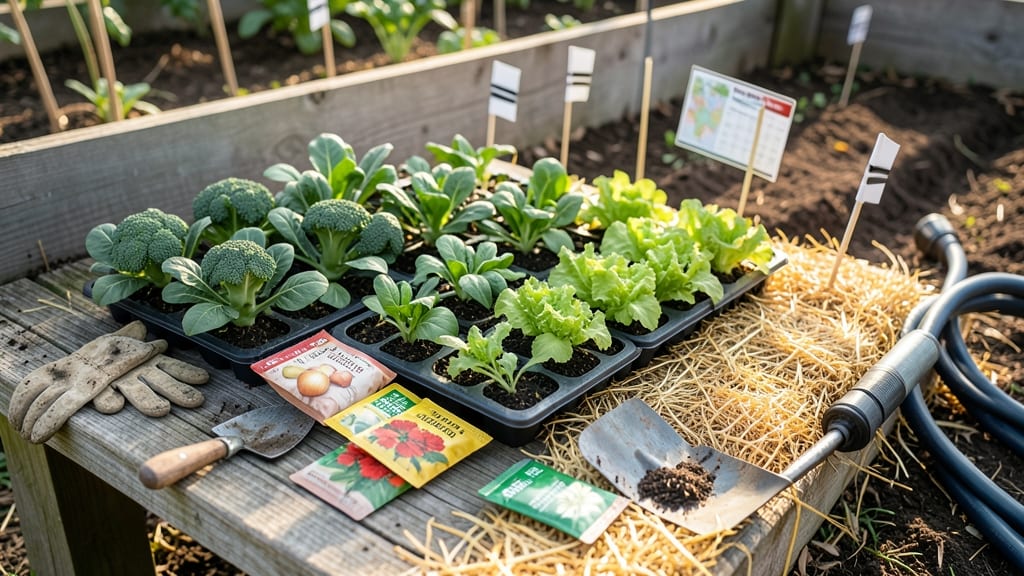
Timing your garden planting in Connecticut can feel like guessing whether to plant your 🌱 seeds in March or wait until May—because the answer depends entirely on your microclimate.
Coastal areas like New Haven might see frost-free soil by early April, while inland zones like Hartford could still have icy surprises in late May. Getting this right means the difference between a lush harvest and wasted effort.
I’ve tracked frost dates across Connecticut’s five key zones for years, and what I’ve learned will save you from costly planting mistakes. Whether you’re growing tomatoes that crave warmth or hardy greens that tolerate cooler soil, knowing your local frost window is the first step to a thriving garden.
Let’s break down exactly when to plant based on where you live in the state.
Most gardeners in Connecticut make one of two mistakes: planting too early and risking frost damage, or waiting too long and missing the ideal growing window. The solution? A flexible timeline that accounts for your specific zone’s history of last spring frosts and first fall freezes.
I’ll show you how to use these dates to plan your entire planting season—from cool-season crops in early spring to warm-season favorites in summer.
Ready to transform your garden’s potential? By the end of this guide, you’ll have a month-by-month planting schedule tailored to your Connecticut microclimate, plus pro tips for adjusting to unpredictable weather. Your best harvest starts with the right timing—let’s get planting!
CT planting zones by microclimate: coastal vs inland frost dates
Connecticut’s planting schedule isn’t one-size-fits-all—your last spring frost and first fall frost dates can shift dramatically depending on whether you’re near the Long Island Sound or tucked into the Farmington Valley.
Coastal areas like New Haven and Stamford often enjoy 10-14 days earlier frost-free windows than inland zones like Hartford or Torrington. This variance means your tomato seedlings might be ready to plant in late April on the shore but need to wait until mid-May in the hills.
To pinpoint your exact planting window, start by identifying your USDA hardiness zone. Most of Connecticut falls within Zones 5b-6b, but microclimates create pockets of Zone 4 in the highlands and Zone 7 near the coast.
For example, Bridgeport (Zone 7a) can plant zucchini as early as April 15, while Willimantic (Zone 5b) should wait until May 1 to avoid frost damage.
Here’s the frost date breakdown you need to plan your garden:
Pro tip: Use the National Weather Service’s Almanac or local Cooperative Extension reports to track 10-year frost averages for your town. For example, New London has seen its last frost creep later by 3 days per decade due to climate shifts—so don’t rely solely on historical data.
If you’re in Zone 6b but notice unseasonably warm springs, consider planting warm-season crops like cucumbers or beans 2 weeks earlier than the average date.
For coastal gardeners, the moderating ocean breezes can delay fall frosts by up to 2 weeks compared to inland areas. This means you might squeeze in one extra harvest of bush beans or zucchini before the first frost hits.
In contrast, inland zones often face rapid temperature drops in September, so prioritize fast-maturing varieties like ‘Early Girl’ tomatoes (55 days to harvest) over slower growers.
If you’re unsure about your exact microclimate, observe your neighbors’ gardens. Do their tomato plants
Best planting calendar for CT gardens: month-by-month guide
Your CT planting calendar should revolve around two critical dates: your last spring frost and first fall frost.
For most of Connecticut, this means starting cool-season crops like spinach and kale as early as late March in coastal zones, while inland gardeners should wait until mid-April to avoid frost damage.
Warm-season favorites like tomatoes and peppers need to wait until soil temperatures hit 60°F, typically mid-May in most areas.
I’ve organized this guide by monthly planting windows, including succession planting tips to keep your harvest going for 8+ weeks. For example, planting lettuce every 2 weeks from April through July ensures a continuous supply.
The key is matching your plant’s heat tolerance with your local frost-free period—something I’ll clarify with a detailed timeline below.
🌱 Pro Tip: Use row covers or cold frames to extend your planting window by 2-3 weeks in early spring or late fall. This is especially useful in USDA Zone 6 areas like Hartford and New Britain, where frosts can linger.
| Month | Cool-Season Crops | Warm-Season Crops | Perennials & Flowers | Succession Planting Tip |
|---|---|---|---|---|
| March | Peas, Spinach, Lettuce (coastal zones only) | Start seeds indoors | Pansies, Calendula | Plant hardy greens under row covers |
| April | Broccoli, Cabbage, Radishes | Transplant peppers indoors | Violas, Sweet Alyssum | Sow lettuce every 2 weeks |
| May | Kale, Swiss Chard (late May) | Tomatoes, Peppers, Cucumbers | Marigolds, Zinnias | Plant beans every 3 weeks |
| June | None (too hot) | Sweet Corn, Basil | Sunflowers, Cosmos | Direct-sow carrots for fall harvest |
| July | None (focus on fall crops) | Okra, Southern Peas | Bachelor’s Buttons | Start broccoli for fall harvest |
For warm-season crops, timing is everything—plant tomatoes too early, and they’ll rot in cold soil. I recommend waiting until after Memorial Day (around May 25) for most of Connecticut, but coastal areas like Groton can plant