
Plants
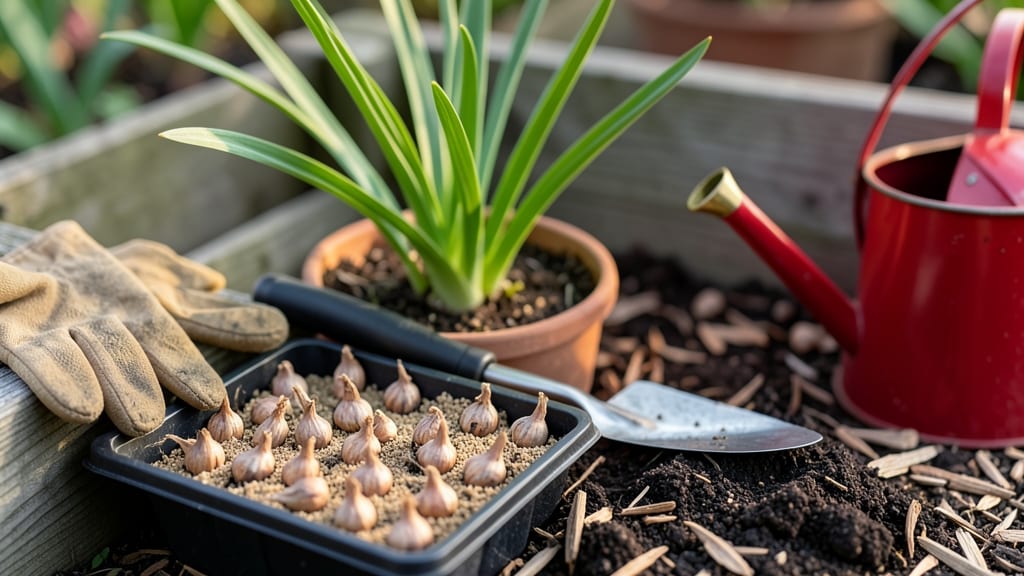
Timing your freesia planting in the UK can mean the difference between a vibrant spring display of 🌸 and a disappointing flop.
These delicate blooms need just the right conditions to thrive, and getting them in the ground too early risks frost damage, while planting too late may delay—or even cancel—those fragrant flowers entirely.
Most UK gardeners swear by autumn planting for spring blooms, but regional differences matter. In milder southern areas like Zone 8a, you can start as early as September, while colder northern spots may need to wait until October to avoid winter frost.
The key is understanding your local frost dates and soil temperatures—both critical for bulb success.
I’ll break down exactly when to plant freesias in your area, from soil prep tips to regional adjustments, so you can avoid common mistakes and enjoy a burst of color come spring.
Whether you’re a seasoned gardener or just starting out, these insights will help you time your planting perfectly for the best results.
Ready to transform your garden? Let’s dive into the step-by-step guide that’ll ensure your freesias bloom on schedule—no guesswork required.
UK soil temperature guidelines for planting freesias by region
Freesias thrive in the UK when planted at the right soil temperature, typically between 5–10°C. This range ensures bulbs root before winter dormancy or summer heat stress. Southern regions like Cornwall and Devon can plant slightly earlier, while colder areas like Scotland should wait until soil warms.
Let’s break it down by region to avoid frost damage and maximize bloom potential.
Use a simple soil thermometer to check temperatures before planting. Stick it 2 inches deep—this mimics the depth where freesia bulbs will sit. If your soil is cooler than 5°C, wait a week or two.
Remember, freesias hate soggy soil, so well-draining spots are a must, especially in rainy UK winters.
Here’s how to adjust your planting timeline based on your region’s last frost dates and microclimates. Urban gardens often warm up faster than rural ones due to concrete heat retention, so city gardeners can plant a little earlier. Always err on the side of caution—frost-killed bulbs won’t bloom!
For spring blooms, aim to plant freesias in autumn (September–October) when soil temps are ideal. In milder southern UK areas, you can start as early as late August, while northern regions should wait until mid-October. This timing gives bulbs enough time to establish roots before winter.
If you’re growing freesias for summer blooms, plant bulbs in March–April once soil temperatures consistently stay above 10°C. This is especially critical in colder areas like Yorkshire or the Scottish Borders, where late frosts can linger into April.
| Region | Ideal Soil Temp | Planting Window | Key Consideration |
|---|---|---|---|
| South (Cornwall, Devon) | 5–10°C | Late August–October | Milder winters, earlier planting |
| Midlands (Birmingham, London) | 6–9°C | September–October | Urban heat islands may warm soil faster |
| North (Yorkshire, Scotland) | 7–10°C | Mid-October–November | Later frost risk, wait longer |
| All Regions (Summer Blooms) | 10°C+ | March–April | Avoid late frosts |
Test your soil’s readiness with a finger check: Dig down 2 inches and feel for moisture. If the soil feels cool but not icy, it’s likely in the ideal range. For container gardening, pots warm up faster—plant 2–3 weeks earlier than ground planting in the same region.
In urban gardens, pavement and buildings create microclimates that can raise soil temperatures by 2–3°C. This means you can plant freesias 1–2 weeks earlier in city spots compared to rural areas. Always monitor local weather forecasts for unexpected cold snaps, especially in October–November.
Pro tip: If you’re unsure about your soil temperature, plant freesias in well-draining containers. This gives you control over moisture and warmth, reducing the risk of frost damage. Plus, you can move pots to sheltered spots if a cold snap is forecasted.
Finally, remember that bulb quality matters. Choose firm, plump freesia bulbs from reputable UK suppliers. Smaller or soft bulbs may struggle to establish roots in cool soil, leading to poor blooms or no flowers at all.
With these regional guidelines, you’ll be well on your way to growing vibrant freesia blooms that fill your garden with fragrance. Happy planting! 🌸
UK soil temperature guidelines for planting freesias by region
Freesias thrive when planted in soil temperatures between 5–10°C. In the UK, this means timing your planting to avoid frost damage while ensuring bulbs don’t rot in soggy winter soil.
Southern regions like Cornwall and Devon can plant slightly earlier, while colder areas like Scotland and Northern England need to wait until soil warms.
Use a soil thermometer to check depth—freesias prefer 5–10°C at 5cm deep. If your soil is colder, wait 1–2 weeks or plant in containers with drainage to control moisture. Urban gardens often warm faster than rural ones, so adjust your schedule accordingly.
Here’s a quick guide to soil readiness by UK region:
| Region | Ideal Planting Window | Soil Temp Check | Frost Risk |
|---|---|---|---|
| South (e.g., London, Cornwall) | Late September–early October | 5–8°C (soil warms faster) | Low (plant by mid-October) |
| Midlands (e.g., Birmingham, Manchester) | Mid-October–early November | 6–10°C (wait for warmth) | Moderate (cover bulbs if frost predicted) |
| North (e.g., Edinburgh, Yorkshire) | Early–mid November | 7–10°C (soil stays cooler) | High (plant deeper or use mulch) |
For spring blooms, aim to plant freesias 6–8 weeks before your area’s first frost. In the UK, this typically falls between September and November, depending on your region.
If you’re unsure, err on the later side—freesias can handle cooler soil better than they can handle waterlogged conditions.
Pro tip: If your garden has poor drainage, plant freesias in raised beds or containers with a mix of sand and compost. This prevents rot and ensures bulbs stay happy until spring. Mulch with straw or bark after planting to insulate bulbs from temperature swings.
Always monitor your local frost forecast—a sudden cold snap can damage emerging shoots. In milder microclimates (e.g., near walls or greenhouses), you might extend your planting window by 2–3 weeks, but never risk planting after mid-November in most of the UK.