
Plants
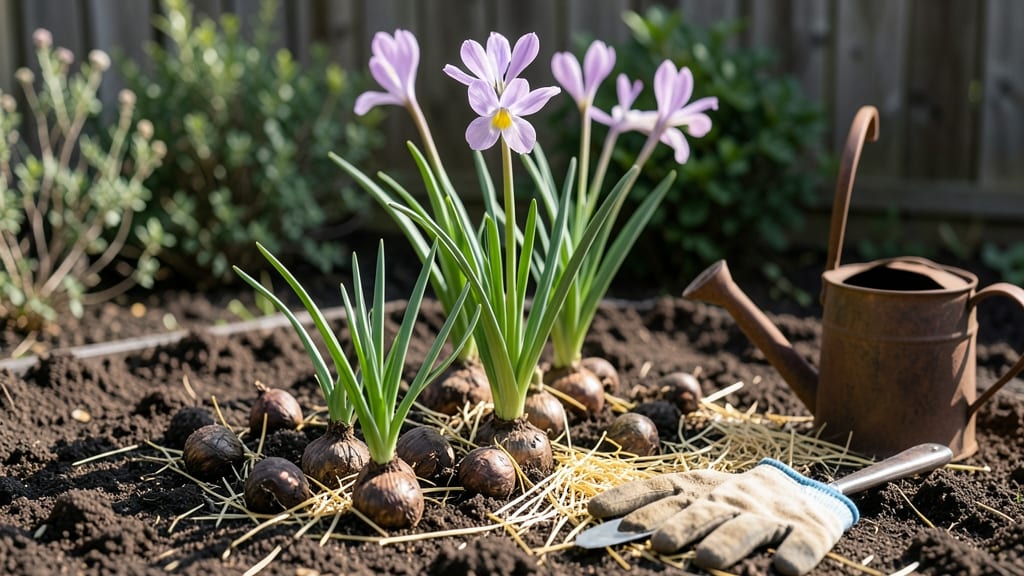
When to plant freesias in Melbourne can make all the difference between a breathtaking spring garden and a disappointing one. The key to vibrant blooms lies in planting during Melbourne’s mild autumn months, when temperatures are cooling but frost isn’t yet a threat.
Most gardeners in zone 9b plant freesias between August and September, giving the bulbs time to establish roots before winter sets in. This window aligns perfectly with Melbourne’s climate, where autumn’s gentle rains and moderate temperatures create ideal conditions for bulb growth.
If you’ve ever wondered why some freesias thrive while others struggle, it often comes down to planting too early or too late. I’ll show you exactly how to time it right—plus soil prep tips and regional considerations—to ensure your freesias put on their best show next spring.
Ready to transform your garden? Let’s dive into the perfect schedule for planting freesias in Melbourne, so you can enjoy those fragrant blooms come springtime.
Ideal autumn planting months for freesias in Melbourne’s climate zones
Melbourne’s autumn months (March–May) offer the perfect window for planting freesias, but timing varies slightly across the city’s microclimates. Coastal areas like St Kilda and Brighton have milder temperatures, while inland spots near Melton or Sunbury experience earlier frosts.
For most of Melbourne, August and September are ideal, but let’s break it down by zone.
Freesias need soil temperatures between 10°C and 15°C (50°F–59°F) to establish roots before winter. In Melbourne’s 9b climate zone, this typically aligns with late August through early September. Planting too early risks fungal diseases from lingering warmth, while late planting may delay next spring’s blooms.
The coastal fringe (e.g., Port Phillip Bay areas) can plant as late as mid-September thanks to ocean moderation. In contrast, inland regions like Heathmont should aim for early August to avoid early frosts. Always check your local Bureau of Meteorology frost forecasts before planting.
Here’s how Melbourne’s three key zones compare for freesia planting:
| Zone | Ideal Planting Window | Soil Temp Threshold | Frost Risk |
|---|---|---|---|
| Coastal (e.g., St Kilda) | Late August–Mid September | 12°C–15°C (54°F–59°F) | Low (ocean moderation) |
| Inner City (e.g., Fitzroy) | Early–Mid August | 10°C–13°C (50°F–55°F) | Moderate (urban heat islands) |
| Inland (e.g., Sunbury) | Late July–Early August | 8°C–12°C (46°F–54°F) | High (earlier frosts) |
For container gardening, you can extend the window slightly by using black plastic pots to warm soil faster. Place containers in full sun spots to accelerate bulb establishment. If you’re in doubt, err on the earlier side—freesias planted in July will still bloom, just slightly later.
Melbourne’s autumn rainfall (around 60mm/month) helps with natural watering, but avoid planting after heavy rains, as waterlogged soil can rot bulbs. Aim for dry, sunny days when soil is workable but not soggy. A simple soil moisture test—digging 2 inches deep—will tell you if it’s ready.
Pro tip: If your freesias are destined for cut flowers, plant 10% more bulbs in August to ensure a longer harvest window. The earlier bulbs will produce stems ready for Mother’s Day (May), while later plantings extend into Anzac Day (April).
Watch for first frost warnings after planting—Melbourne’s average first frost hits around mid-August, but inland areas can see it as early as late July. If frost is forecast within 2 weeks of planting, protect bulbs with a lightweight row cover or mulch with straw.
Timing isn’t just about the calendar—it’s about soil readiness, microclimate, and your garden’s exposure. By aligning your planting with Melbourne’s autumn patterns, you’ll set your freesias up for vibrant, fragrant blooms that’ll brighten your garden next spring.
Ideal autumn planting months for freesias in Melbourne’s climate zones
Melbourne’s autumn months (March–May) offer the perfect window for planting freesias, but timing varies slightly across the city’s distinct microclimates. The coastal areas like St Kilda and Brighton experience milder temperatures, while inland suburbs like Sunbury face earlier frosts. Understanding these differences ensures your bulbs establish strong roots before winter.
For most of Melbourne, August and September are the goldilocks months—cool enough to prevent bulb rot but warm enough to encourage root growth. Coastal regions can extend planting into early October, while inland areas should aim for mid-September to avoid unexpected cold snaps.
Soil temperatures below 10°C (50°F) can stunt growth, so monitor forecasts.
Here’s how Melbourne’s climate zones break down for freesia planting:
| Climate Zone | Best Planting Window | Soil Temp Threshold | Frost Risk |
|---|---|---|---|
| Coastal (e.g., St Kilda, Brighton) | Late August–Early October | 10–15°C (50–59°F) | Low (rare before Sept) |
| Inland (e.g., Sunbury, Bendigo) | Mid-August–Mid-September | 12–15°C (54–59°F) | Moderate (possible late Sept) |
| Cold-Spring (e.g., Dandenong Ranges) | Late August–Early September | 13–16°C (55–61°F) | High (frost likely after Sept) |
Pro tip: Use a soil thermometer to check temperatures before planting. If your soil is cooler than 10°C (50°F), wait a week or two—patience now means healthier blooms later. Coastal gardeners can push the envelope slightly, but inland areas should err on the earlier side to avoid frost damage.
Another critical factor is rainfall patterns. Melbourne’s autumn typically brings steady showers, but too much water can drown freesia bulbs. Amend heavy clay soils with organic matter (like compost or sand) to improve drainage.
If your area is forecasted for heavy rains, consider raised beds or slightly elevated planting spots.
For a foolproof schedule, mark your calendar for September 1st—this gives you a buffer to plant before Melbourne’s first frost risk (usually around mid-August in inland areas). By aligning with this date, you’ll maximize your chances of vibrant spring blooms that’ll brighten up your garden from October onward.
🌸