
Plants
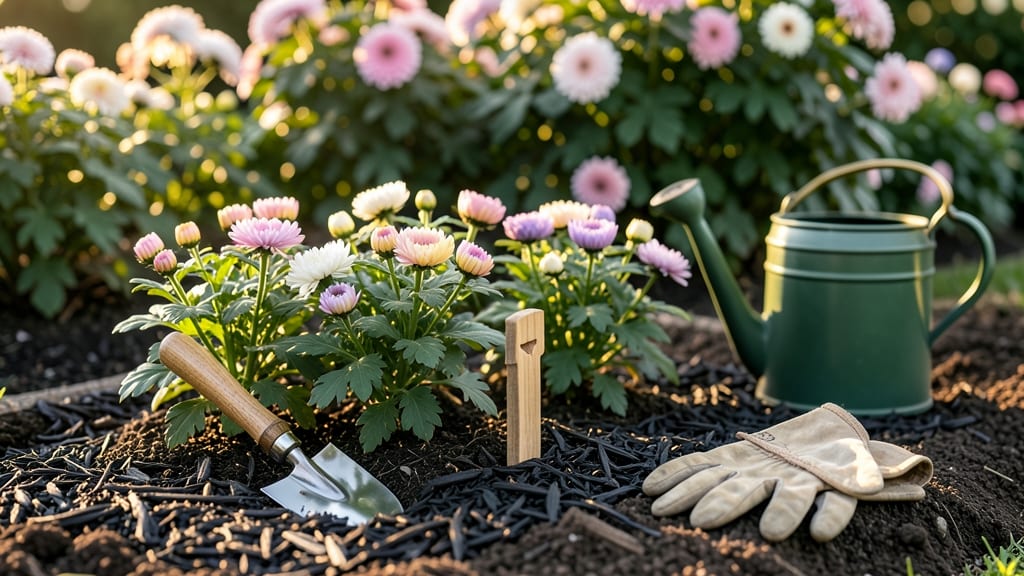
If you're dreaming of a garden bursting with vibrant fall color, planting when can you plant mums in the ground at the right time is the game-changer you need. The ideal window for planting these showstopping flowers isn't one-size-fits-all—it depends on your USDA zone and local climate patterns.
For most gardeners in Zone 6a and beyond, late summer to early fall is your golden opportunity to get Mums in the ground. But timing is everything—plant too early, and you risk stunted growth; wait too long, and frost could cut your blooms short.
I'll break down exactly when to plant Mums in your specific region, plus the 5 key signs your timing is perfect. Whether you're working with potted plants or bare-root transplants, these insights will help you create a stunning fall display that lasts.
Ready to transform your garden? Let's dive into the exact planting window for your zone and the care tips that'll keep your Mums thriving all season long.
Ideal planting dates for mums by USDA hardiness zone (with exact months)
Planting mums at the right time ensures they establish roots before winter and burst into vibrant fall color. The 4-6 week rule before your first frost is your best guide—this window lets mums root deeply while still enjoying warm soil.
In USDA Zones 3-7, aim for late August to mid-September, while Zones 8-11 can plant until October or even November in mild climates.
Soil temperature is non-negotiable—mums thrive when soil stays above 60°F (15°C). Use a soil thermometer to confirm warmth before planting. In cooler zones, wait until after July 15th to avoid early frost damage.
Southern gardeners can start as early as June, but avoid extreme heat (above 90°F/32°C), which stresses young plants.
Here’s how your USDA zone dictates mum planting:
| USDA Zone | Ideal Planting Window | Soil Temp Threshold | Key Risk |
|---|---|---|---|
| 3-5 | Late August – Early September | 60-65°F (15-18°C) | Early frost |
| 6-7 | Mid-August – Mid-September | 60°F (15°C) minimum | Slow root growth |
| 8-9 | July – October | 55-60°F (13-15°C) | Heat stress |
| 10-11 | June – November | 50°F (10°C) minimum | Overwatering |
For potted mums, you can plant 2 weeks earlier than bare-root varieties since their roots are already established. However, bare-root mums need that extra time to develop strong roots before winter.
If you’re in Zone 10+, consider planting in early spring for a winter-to-spring display—just avoid summer heat.
Missed the window? No problem. In Zones 5-9, you can plant mums as late as October 1st, but expect smaller blooms or shorter seasons. Use row covers or mulch heavily to protect late plantings.
In Zones 3-4, wait until September 15th at the latest—earlier plantings risk frost damage before roots establish.
Your local frost date is your best friend. Check the National Weather Service or Old Farmer’s Almanac for your area’s average first frost. Then, count back 4-6 weeks to lock in your planting date.
For example, if frost hits October 15th, plant by September 1st. This ensures mums have 6-8 weeks to root deeply before winter.
Don’t overlook soil prep. Mums prefer well-draining, slightly acidic soil (pH 6.0-6.5). Amend heavy clay with compost or sand, and mix in a balanced fertilizer (5-10-10) at planting.
In sandy soils, add peat moss to retain moisture. A 1-inch layer of mulch after planting helps retain soil warmth and suppress weeds.
For container-grown mums, the rules shift slightly. Since pots dry out faster, plant 1-2 weeks earlier than in-ground mums to avoid drought stress. Use self-watering pots or bury containers partially to stabilize soil temperature.
In hot climates (Zones 9-11), opt for shade cloth during peak afternoon sun to prevent leaf scorch.
Remember: Daylength matters. Mums need 12-14 hours of daylight to trigger blooming. In northern zones, plant by mid-August to ensure sufficient daylight. In southern zones, you can push planting to October since days stay long longer. For indoor forcing (growing mums for holiday blooms),
5 Critical signs your mum planting timing is perfect (or too early/late)
Planting mums at the right time ensures your garden will burst with fall color instead of struggling through weak growth. But how do you know when it's the perfect moment?
Look for these 5 key indicators that your timing aligns with your mums' needs—and avoid the common pitfalls of planting too soon or too late.
First, check your soil temperature. Mums thrive when soil is between 60°F and 70°F. Use a soil thermometer to confirm—if it's cooler, wait a few days. Cold soil slows root development, leaving your plants vulnerable to frost damage before they establish.
Next, observe daylight hours. Mums need 12+ hours of daylight to trigger blooming. In most regions, this happens naturally by mid-August, but in northern zones, you may need to extend light with grow lamps if planting earlier.
Pay attention to the leaf color of your mums. Healthy plants should have deep green leaves with no yellowing. If you see pale or yellowing foliage, your plants may be stressed from too much heat or drought—wait until conditions improve before planting.
Test for frost risk by checking your local first frost date. Plant mums 4-6 weeks before frost to give roots time to establish. Use a frost calculator or your local cooperative extension service for precise dates in your area.
Finally, examine the root system of potted mums. Healthy roots should be white and firm, not dark or mushy. If roots are circling tightly in the pot, it's a sign the plant is root-bound—gently tease them apart before planting to encourage outward growth.