
Plants
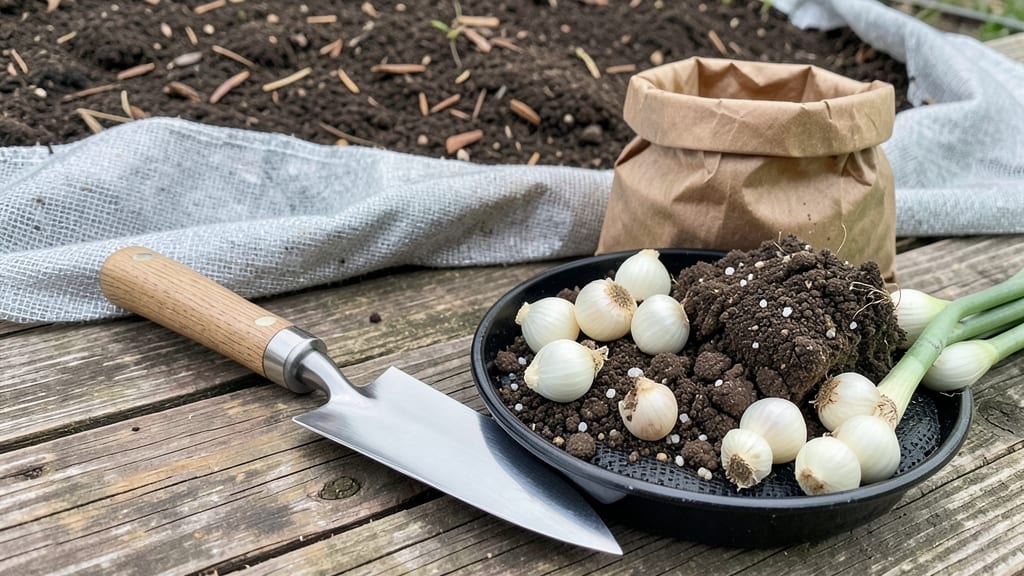
If you’ve ever wondered when to plant freesia bulbs in Zone 5 for those fragrant, vibrant blooms, timing is the secret ingredient—get it wrong, and you might miss the show entirely.
These delicate 🌸 freesias thrive when planted 6-8 weeks before your first frost, giving their roots time to settle before winter’s chill sets in.
For Zone 5 gardeners, that means aiming for late September to early November, when soil temperatures dip below 70°F and the ground is workable but not frozen. Planting too early risks frost heave, while waiting too long can leave bulbs struggling to establish before winter dormancy kicks in.
I’ll walk you through the exact steps—from soil prep to spacing—to ensure your freesias burst into color next spring. Whether you’re a beginner or a seasoned gardener, these tips will help you avoid common pitfalls and grow fragrant blooms with confidence.
Ready to transform your garden? Let’s dive into the perfect planting window and pro tips to make your freesias the star of your spring display.

Exact weeks before last frost to plant freesia bulbs in Zone 5
Freesia bulbs thrive in Zone 5 when planted during a precise 6-8 week window before your average last frost date. For most Zone 5 gardeners, this means aiming for late September to early November, depending on your specific microclimate.
This timing ensures bulbs establish roots before winter dormancy, setting the stage for vibrant spring blooms.
Your last frost date in Zone 5 typically falls between mid-April and early May. Working backward, count 6-8 weeks from this date to determine your ideal planting window. For example, if your last frost is May 1, plant between September 15 and October 15 for best results.
Freesias need 4-6 weeks of root growth before winter to survive cold temperatures. Planting too early risks frost heave (bulbs pushing out of soil), while planting too late may not give roots enough time to establish before freezing.
Soil temperature is another critical factor. Freesia bulbs should only be planted when soil temperatures drop below 70°F. Use a soil thermometer to monitor—this usually happens in late August to early September in Zone 5.
🌱 Freesia Planting Timeline for Zone 5
| Stage | Action | Key Details |
|---|---|---|
| Soil Prep | Test & amend | pH 6.0-6.5, well-draining soil |
| Planting Window | 6-8 weeks before frost | Late Sept - Early Nov (Zone 5) |
| Bulb Depth | 2-3 inches deep | Prevents frost heave |
| Spacing | 3-4 inches apart | Allows airflow, reduces disease |
| Mulching | 2-3 inches organic mulch | Insulates roots, retains moisture |
| First Frost | Mid-October | Bulbs should be dormant by then |
| Spring Growth | Shoots emerge April | Blooms May-June |
Northern Zone 5 areas (like Minnesota or Wisconsin) often have earlier frosts, so aim for the earlier end of the window (late September). Southern Zone 5 regions (like Missouri or Kentucky) can plant slightly later (early November) due to milder winters.
Your local microclimate matters too. Low-lying areas or shaded spots may need 1-2 weeks earlier planting, while sunny, elevated spots can handle later dates. Observe where frost collects in your garden to adjust timing.
After planting, apply a 2-3 inch layer of mulch to insulate bulbs. Use straw or shredded leaves—avoid thick layers that could smother growth. This protects roots from temperature fluctuations and helps maintain consistent moisture.
Remember: Freesias are tender perennials in Zone 5. While they may return for 2-3 years in mild winters, they often perform better as annuals if winters are harsh. Treat them like spring ephemerals—plant fresh bulbs each fall for reliable blooms.
Pro tip: Mark your planting dates with garden flags or a planting journal. Zone 5's frost dates shift yearly, so tracking helps you refine timing for future seasons. Aim for consistency—this is key to freesia success in colder climates.
Exact weeks before last frost to plant freesia bulbs in Zone 5
Freesia bulbs need 6-8 weeks before your average last frost date in Zone 5 to establish roots before winter dormancy. For most of Zone 5, this means planting between late September and mid-October, with adjustments based on your specific frost date.
In northern Zone 5 (like Minnesota or Upstate New York), aim for early September to avoid early frosts, while southern areas (like Northern Virginia) can plant as late as mid-November.
Your local frost date is the key—check your USDA Zone 5a or 5b records. For example, if your last frost is April 20th, plant bulbs by February 20th (8 weeks prior).
This timing ensures bulbs develop strong roots before ground freezes, preventing frost heave and winter damage. Always plant after soil temperatures drop below 70°F to avoid premature sprouting.
🌱 Zone 5 Freesia Planting Timeline
| Zone 5 Region | Last Frost Date | Planting Window | Soil Temp Threshold |
|---|---|---|---|
| Northern Zone 5 (5a) | April 10-20 | Late August - Early October | Below 70°F |
| Central Zone 5 (5a/5b) | April 20-30 | Late September - Mid-October | Below 70°F |
| Southern Zone 5 (5b) | May 1-10 | October - Mid-November | Below 70°F |
💡 Pro Tip: Use a soil thermometer to confirm soil temps—wait until nights dip below 60°F consistently.
Plant freesia bulbs 2-3 inches deep and 3-4 inches apart in well-draining soil. In Zone 5, this means digging trenches or using raised beds if your native soil is clay-heavy. Amend soil with compost or perlite to improve drainage, as freesias hate soggy roots.
After planting, apply a 2-inch layer of mulch (like straw) to insulate bulbs and retain moisture during winter.
If you miss the ideal window, don’t panic—freesias can handle late fall planting as long as soil isn’t frozen. For example, if you plant in early December, cover bulbs with extra mulch or burlap to protect them until spring.
However, late planting may delay blooms until late spring or summer, so aim for the 6-8 week rule for the best results.
Test your soil’s drainage before planting by digging a hole, filling it with water, and timing how long it takes to drain. If water lingers beyond 2 hours, amend the soil or choose a raised bed.
Freesias won’t tolerate waterlogged conditions, and poor drainage can lead to rotten bulbs or moldy foliage. Well-draining soil is non-negotiable for Zone 5 gardeners!
Once planted, mark your freesia beds with plant labels or stakes to avoid disturbing them in spring. Freesias are perennial in mild Zone 5 winters, but they may need annual division every 2-3 years to prevent overcrowding.
Divide bulbs in early spring before shoots emerge for healthier blooms each season.