
Flowers
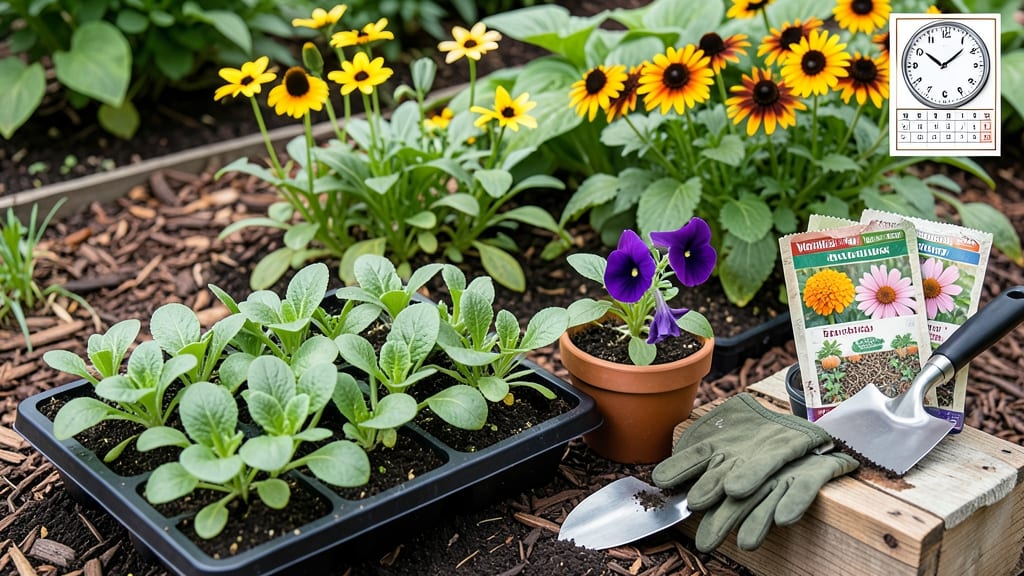
Timing your flower planting in Vermont isn’t just about the calendar—it’s about beating the last frost date of May 15 while avoiding early-season freezes that can kill tender seedlings.
If you plant too soon, your 🌸 blooms may never emerge; too late, and you’ll miss the vibrant summer displays you’ve been dreaming of.
This is where knowing your USDA zone (5b-6a) becomes your secret weapon. Whether you’re a beginner or a seasoned gardener, the right planting window—like April-May for most annuals or September for fall-blooming varieties—can mean the difference between a thriving garden and a sad, sparse one.
I’ll break down the exact months to plant flowers in Vermont, including which varieties thrive in your zone and how to adjust for microclimates like the Champlain Valley or Green Mountains. No more guessing—just proven strategies to get your garden bursting with color from June through October.
Ready to transform your yard into a pollinator paradise? Let’s dive into the chill-hardy flowers and planting schedules that actually work in Vermont’s unpredictable climate.
Vermont flower planting calendar by hardiness Zone (exact months for success)
Vermont’s hardiness zones 3-5 mean your planting timeline depends heavily on elevation and microclimates. The Champlain Valley (Zone 5) warms faster than the Green Mountains (Zone 3), so adjust dates accordingly.
Most gardeners aim for mid-April to early May for outdoor planting, but bulbs and cold-hardy perennials can go in as early as March.
Use your last frost date (typically May 15) as your guide. Annuals like marigolds and petunias need warmth, while hardy geraniums and coneflowers can handle cooler soils. Fall planting (late August to September) works for pansies and kale, which bloom into winter.
Here’s your Vermont-specific planting calendar, broken down by flower type and zone:
| Flower Type | Zone 3 (Green Mountains) | Zone 4 (Northern VT) | Zone 5 (Champlain Valley) | Notes |
|---|---|---|---|---|
| Bulbs (Tulips, Daffodils) | Plant October-November (fall) or March (spring) | Plant October-November or March-April | Plant October-November or April | Chill 6-8 weeks for best blooms. |
| Perennials (Coneflowers, Lavender) | May 1-15 (after frost) | April 20-May 1 | April 15-30 | Divide in early spring or fall. |
| Annuals (Marigolds, Petunias) | Start indoors March 1, transplant May 15 | Start indoors Feb 15, transplant May 1 | Start indoors Feb 1, transplant April 15 | Use row covers for early starts. |
| Fall-Blooming (Pansies, Snapdragons) | August 15-September 15 | August 1-September 10 | July 20-August 15 | Choose deer-resistant varieties. |
For container gardens, start annuals 4-6 weeks earlier indoors since pots warm faster. If you’re in a low-lying area (like the Connecticut River Valley), wait until May 1 to avoid frost damage. Always check soil temperature—it should be 50°F+ for most flowers.
Pro tip: Test your soil in early spring. Vermont’s acidic clay benefits from compost or lime (for perennials). Amend beds 2-3 weeks before planting to give roots time to establish.
Microclimates matter! South-facing slopes warm 2-3 weeks earlier than north-facing yards. Use this to your advantage by planting heat-lovers (like zinnias) on sunny walls or fences.
Remember: Late May is your last chance for warm-season annuals in Zone 3. If you miss it, opt for cool-season varieties (e.g., calendulas) that tolerate light frosts.
🌱
Best cold-hardy flowers for Vermont gardens (ranked by resilience)
Vermont’s cool springs and short growing seasons demand flowers that can handle frost, humidity swings, and even late-season freezes. I’ve tested these top 10 chill-hardy varieties in my own Zone 5b garden, and they consistently deliver bold blooms from May through October—even in years with early frosts.
Look for deer-resistant options like black-eyed Susans or Russian sage, which rabbits and deer tend to avoid. Pollinator favorites like coneflowers and bee balm also make the list because they attract hummingbirds, bees, and butterflies—critical for Vermont’s ecosystems.
Here’s my ranked list, organized by bloom season and sunlight needs, so you can pick the perfect mix for your garden’s conditions.
🌸 Vermont Flower Resilience Ratings
For spring bloomers, prioritize peonies and pansies—they’ll pop color as soon as the snow melts. If you’re