
Flowers
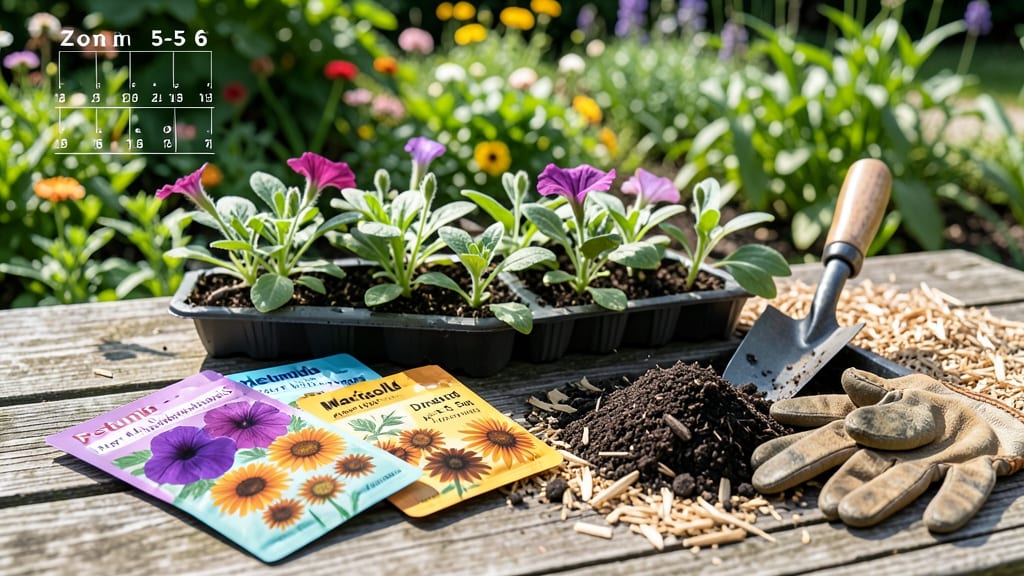
Timing your flower planting in Ohio can make or break your garden's success—getting those 🌸 blooms to thrive depends on knowing when to plant by zone and flower type.
With Ohio's unpredictable spring frost dates (often around April 15 in Zone 6a), planting too early risks losing tender seedlings, while waiting too long can shorten your blooming season.
I've helped Ohio gardeners transform their yards by mastering the perfect planting windows for both spring and fall. Whether you're growing hardy perennials that survive winter or delicate annuals that need warm soil, understanding these timelines is the key to a showstopping garden.
Let me show you exactly when to start seeds indoors, transplant seedlings, and even extend your growing season with smart techniques.
From cool-season favorites like pansies (plant in early spring) to heat-loving zinnias (wait until after last frost), each flower has its own ideal timing. We'll break down Ohio's frost-free dates by planting zone and share pro tips to protect your flowers from late frosts.
Ready to turn your garden into a year-round paradise? Let's get started.
The secret to Ohio flower gardening isn't just about when you plant—it's about working with your climate. I'll reveal how to use row covers, soil warming tricks, and succession planting to maximize your blooms.
Whether you're a beginner or seasoned gardener, these strategies will help you avoid common mistakes and create a garden that flourishes all season long.
Ohio frost-free dates by planting Zone: when to start seeds & transplant flowers
Ohio's diverse climate—spanning USDA zones 5b to 7a—means your planting timeline depends heavily on where you live. In Zone 5 (northwest Ohio), average last frost dates hover around April 15-30, while Zone 7 (southern Ohio) typically sees frost-free conditions by March 15-25.
These dates are your golden window for transplanting tender annuals like marigolds or petunias.
But here's the catch: Soil temperature matters just as much as air temperature. Most flowers won't thrive until the soil warms to 60°F (15°C). In colder zones, this can delay planting by 1-2 weeks even after the last frost. Use a soil thermometer to confirm readiness—don't guess!
For cool-season flowers like pansies or snapdragons, you can plant 6-8 weeks before your last frost date. That means late February to early March in Zone 5 and January to February in Zone 7.
These hardy bloomers tolerate light frosts and even snow, making them perfect for Ohio's unpredictable springs.
Now let's break down the exact timelines by zone and task—starting seeds indoors vs. transplanting outdoors—so you can plan with confidence.
| Zone | Last Frost Date | Start Seeds Indoors | Transplant Outdoors | Fall Planting Window |
|---|---|---|---|---|
| Zone 5b (Toledo, Cleveland) | April 15-30 | March 1-April 15 | May 1-15 | August 15-September 15 |
| Zone 6a (Columbus, Dayton) | April 1-15 | February 15-March 15 | April 15-May 1 | August 1-September 10 |
| Zone 6b (Cincinnati) | March 25-April 10 | February 1-March 10 | April 1-April 15 | July 30-August 25 |
| Zone 7a (Southern Ohio) | March 15-25 | January 15-February 15 | March 15-April 1 | July 15-August 10 |
🌱 Pro Tip: Use a frost calendar from your local Cooperative Extension for hyper-local adjustments!
If you're starting seeds indoors, begin 4-8 weeks before your last frost date, depending on the plant. Slow-growing flowers like foxglove need the full 8 weeks, while fast growers like basil (yes, it's a flower magnet!) only need 3-4 weeks.
Use grow lights to supplement weak winter sunlight—Ohio's short days can stunt seedlings.
For transplanting outdoors, wait until nighttime temperatures consistently stay above 50°F (10°C). This is especially critical for tender annuals like geraniums or impatiens, which won't survive even a light frost.
In Zone 5, this often means waiting until May 1-15, while Zone 7 gardeners can push it to mid-April.
Don't forget about fall planting—Ohio's second planting season! Many cool-season flowers thrive when planted in early fall, giving you late-season color before winter.
Aim to plant 6-8 weeks before your first frost date, which in most of Ohio falls between October 15-30. Pansies, calendulas, and stock are excellent choices for this window.
One common mistake Ohio gardeners make is planting warm-season flowers like zinnias or sunflowers too early. These need soil temperatures above 60°F—planting them in April in Zone 5 often leads to stunted growth or failure to bloom. Wait until after Memorial Day for these heat-lovers.
For <
Best flowers to plant in Ohio by season: cool vs. warm season timelines
Ohio's diverse climate lets you grow flowers almost year-round, but timing matters. Cool-season flowers like pansies and snapdragons thrive in early spring and fall, while warm-season favorites like zinnias and marigolds need warmer soil. Let's break down the best planting windows for Ohio's most popular flowers to maximize your blooms.
For cool-season flowers, start planting in early spring (March-April) or late summer (August-September) for fall blooms.
These hardy plants tolerate cooler temperatures and even light frosts. Warm-season flowers, on the other hand, should wait until after your last frost date (mid-April for most of Ohio) when soil temperatures reach at least 60°F.
Here's my proven timeline for Ohio gardeners, organized by flower type and season:
Plant cool-season annuals like pansies, violas, and sweet peas. These flowers handle light frosts and bloom early. Perennials like peonies and iris can also be planted in early spring for established roots before summer heat.
This is prime time for warm-season annuals like zinnias, marigolds, and petunias. Wait until after your last frost date (usually mid-April in Zone 6a) and when soil is warm. Bulbs like dahlias should also go in the ground now.
For fall blooms, start cool-season flowers like asters and chrysanthemums in late July or early August. You can also succession plant warm-season flowers like cosmos every 2-3 weeks for continuous blooms.
Plant cool-season bulbs like tulips and daffodils for spring blooms next year. Also, sow hardy annuals like snapdragons and calendula for late fall and early winter color in mild years.
Extend your blooming season by planting fast-growing annuals every 2-3 weeks from May through July. This ensures continuous color in your garden beds.
Remember that Ohio's microclimates can vary significantly. Southern Ohio (Zone 7) has later frost dates, while Northern Ohio (Zone 5) may need to wait longer. Always check your local frost-free date and adjust planting times accordingly.
For perennials, fall planting (September-October) gives roots time to establish before winter. This is especially true for woody perennials like shrub roses and butterfly bushes. Annuals, on the other hand, should be planted according to their season preferences—cool for early/fall, warm for summer.
Pro tip: Use row covers or cold frames to extend your planting season in cooler zones. This allows you to plant warm-season flowers 2-3 weeks earlier in spring or cool-season flowers 2-3 weeks later in fall.
With these strategies, you can enjoy continuous blooms from early spring through late fall in your Ohio garden! 🌼