
Flowers
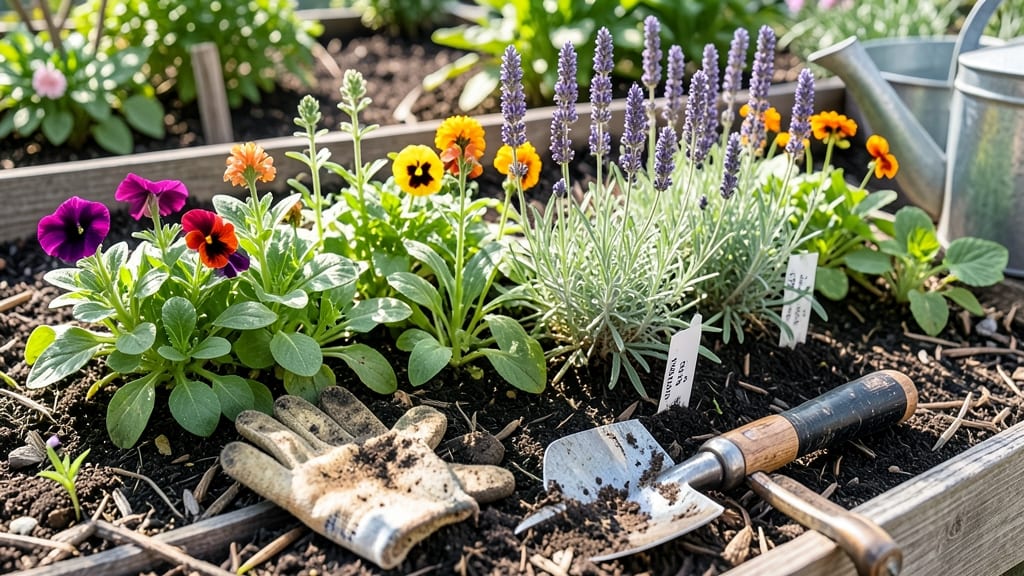
Timing your flowers planting in Portland, Oregon, isn’t just about following a calendar—it’s about mastering the city’s quirky mix of rainy springs, urban heat pockets, and coastal breezes.
Skip the guesswork, and you’ll end up with vibrant blooms all season long, whether you’re tucked in the Willamette Valley or near the chilly coastal edge.
With USDA Zone 8a and frost dates that can shift unpredictably, knowing when to pop those 🌸 seeds or bulbs in the ground is the key to success. I’ll break down the exact windows—spring and fall—for annuals, perennials, and bulbs, so you can align your garden with Portland’s ever-changing rhythm.
Ready to dive in? You’ll discover which flowers thrive in Portland’s wet springs, how to leverage microclimates for longer blooms, and even a downloadable checklist to keep your timing spot-on. Let’s get those gardens growing!
Whether you’re a seasoned gardener or just starting, these tips will help you avoid common pitfalls and make the most of Portland’s unique growing conditions. Your future garden will thank you!
Portland’s microclimates: exact planting deadlines by zone (city vs. suburbs vs. coastal)
Portland’s USDA Zones 7b-8a might seem straightforward, but the city’s microclimates create dramatic differences in planting success. Urban heat islands in downtown can be 5-10°F warmer than coastal areas, while the Willamette Valley enjoys longer frost-free seasons.
These variations mean your planting deadlines should shift based on where you live—even just a few miles apart.
For spring planting, most Portlanders aim for mid-March to mid-May, but coastal gardeners often wait until late April due to lingering chill. Inland areas, like Beaverton or Hillsboro, can start 2-3 weeks earlier thanks to warmer soil.
Meanwhile, perennials and bulbs planted in fall (September-October) benefit from cooler temps and winter moisture.
Here’s how to adjust your timeline based on Portland’s three key zones:
🌱 Portland Planting Deadlines by Microclimate
| Zone | Spring Planting Window | Fall Planting Window | Key Adjustments |
|---|---|---|---|
| Urban Heat Islands (Downtown, Pearl, SE Portland) | Early March–Early May | Late August–Early October | Soil warms faster; plant heat-loving annuals (e.g., Zinnias, Marigolds) earlier. |
| Suburban Zones (Alberta Arts, Beaverton, Lake Oswego) | Mid-March–Mid-May | September–Mid-October | Standard timeline; ideal for perennials and bulbs. |
| Coastal Areas (Sauvie Island, North Portland, West Hills) | Late April–Early June | October–Early November | Cooler soil delays planting; prioritize shade-tolerant and moisture-loving species. |
Understanding your last frost date is critical. While the city’s average is April 15, coastal areas can see frost as late as May 1. For annuals like petunias, hold off until two weeks after your local last frost date to ensure survival.
For fall planting, aim to get bulbs and perennials in the ground 6-8 weeks before the first frost (typically mid-October). Coastal gardeners have a slight edge—their longer frost-free windows allow for later fall plantings, even into November for hardy varieties like Crocus or Daffodils.
Soil type also plays a role. Portland’s heavy clay in many areas drains poorly, while sandy soils in the Willamette Valley dry out quickly. Amend clay with compost or sand to improve drainage, and mulch sandy areas to retain moisture. Both adjustments help create ideal planting conditions regardless of microclimate.
Native plants like Oregon grape (Mahonia aquifolium) or Penstemon thrive in Portland’s conditions with minimal fuss. These low-maintenance perennials can be planted in early spring or fall, giving you flexibility. For bulbs like tulips, fall planting is key—they need cold stratification to bloom beautifully next spring.
Don’t forget to check your sun exposure. South-facing walls in urban areas can create microclimates warm enough for Mediterranean plants like lavender, while north-facing yards may need shade-tolerant flowers like Heuchera or Astilbe. Adjust your planting timeline and variety choices accordingly.
By aligning your planting with Portland’s microclimate deadlines, you’ll avoid the heartbreak of frost-nipped blooms or wilting annuals. Start with these guidelines, then fine-tune based on your specific neighborhood’s quirks—your garden will thank you with bold, long-lasting color all season long. 🌸
Best flowers to plant now (spring 2025) for Portland’s rainy season: drought-tolerant & fast-blooming picks
Spring in Portland brings cooler temps and 140+ rainy days, but that doesn’t mean your garden should skip the color. The key is choosing fast-blooming, drought-tolerant varieties that thrive in moist, mild conditions. These picks will give you vibrant blooms without fuss, even when the skies stay gray.
Native wildflowers like Lupinus (Lupine) and Penstemon are low-maintenance superstars that handle Portland’s acidic, clay-heavy soil beautifully. They also attract pollinators early in the season when food is scarce. For shadier spots, Heuchera (Coral Bells) and Astilbe add texture and color without demanding full sun.
🌱Visual Tip: Use the styled list below to spot the best spring-blooming flowers for your Portland garden, including planting depth and spacing tips tailored to our USDA Zone 8a climate.
Depth: 1/4 inch
Spacing: 12–18 inches
Why? Drought-tolerant, nitrogen-fixing, thrives in partial sun.
Depth: 1 inch
Spacing: 12–15 inches
Why? Shade-loving, colorful foliage, deer-resistant.
Depth: 6–8 inches
Spacing: 4–6 inches
Why? Early spring blooms, bulb-forcing works in Portland.
Depth: 1/2 inch
Spacing: 12–18 inches
Why? Native pollinator magnet, drought-proof once established.
Depth: 1/4 inch
Spacing: 6–8 inches
Why? Cold-hardy, blooms in cool weather, great for containers.
For container gardening in Portland’s urban heat islands, opt for Petunias or Geraniums. These thrive in pots and tolerate occasional drought better than many other flowers. Just ensure your containers have drainage holes to prevent root rot from Portland’s consistent rainfall.
Pro tip: Mulch heavily after planting to retain moisture and regulate soil temperature. A 2–3 inch layer of wood chips or straw works wonders in our clay-heavy soil, reducing watering needs by up to 30%.
Pair your new plants with a slow-release fertilizer at planting time to give them a nutrient boost during Portland’s slow-starting springs.
🌧️ Remember, even in rainy Portland, sunlight is key. Most of these flowers need at least 4–6 hours of sun daily, so choose your planting spots wisely—especially if you’re in a shadier suburban zone or coastal area.