
Flowers
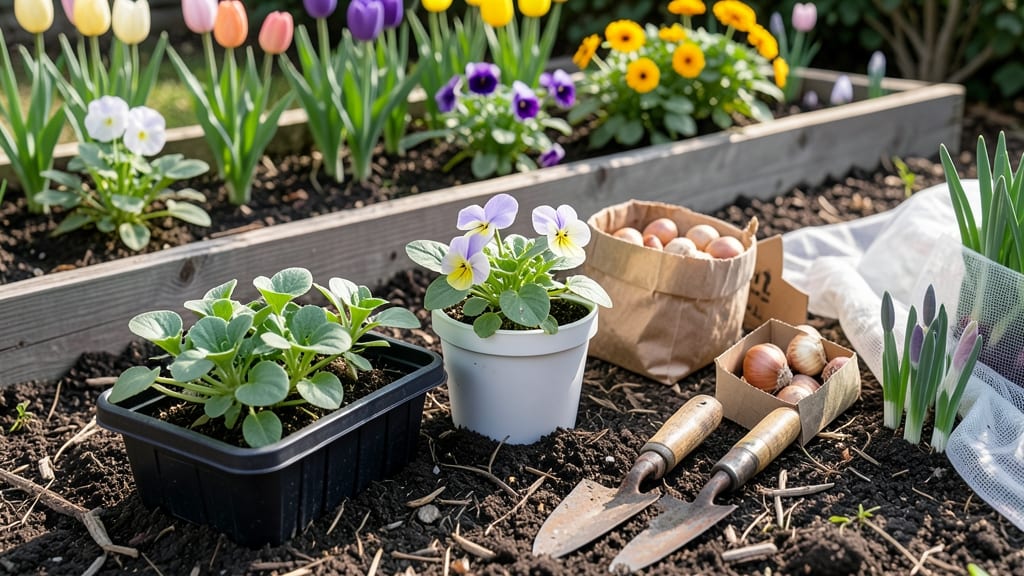
Timing your spring flower planting perfectly means the difference between a garden bursting with color and one that never quite takes off. If you've ever watched your delicate 🌸 spring flowers wither after a late frost or struggled to get them established before summer heat sets in, you're not alone.
The key lies in understanding your local frost dates and matching them with the right flower varieties. Whether you're in a cooler Zone 6a like me or a warmer region, knowing when to plant annuals, perennials, and bulbs can transform your garden from a gamble into a guaranteed showstopper.
I'll walk you through exactly when to plant different types of spring flowers based on your climate zone, plus pro tips for soil prep and protecting young plants. By the end, you'll have a clear timeline to start planting with confidence—no more guessing games or sad, half-bloomed disappointments.
Let's get your garden on track for a season of vibrant blooms that'll make your neighbors green with envy. Ready to turn those planting dates from confusing to crystal clear?
Spring flower planting deadlines by USDA Hardiness zones
Timing your spring flower planting is all about understanding your USDA Hardiness Zone and last frost dates. In colder zones like Zone 3, you might be planting pansies as early as late April, while warmer Zone 10 gardeners can start marigolds in February.
Each zone has its own frost-free window that determines when it's safe to plant tender annuals.
For most gardeners, the golden rule is to wait until 2-3 weeks after your average last frost date. This gives young plants time to establish roots before nighttime temperatures dip again. Check your local Cooperative Extension Service for precise frost data—it varies even within the same zone.
Bulbs like tulips and daffodils are exceptions—they often need chilling months before planting. In Zone 5, plant them in October for spring blooms, while Zone 8 gardeners can wait until November.
Perennials like coneflowers and black-eyed Susans are more forgiving—they can handle light frosts after planting. Start them in early spring (March-April in most zones) to give them a head start on summer blooms.
Annuals like petunias and zinnias are frost-sensitive—wait until after Memorial Day in many regions. Use a soil thermometer to confirm temperatures are above 50°F (10°C) before planting.
| Zone | Last Frost Avg. | Ideal Planting Window | Cold-Hardy Flowers | Heat-Loving Flowers |
|---|---|---|---|---|
| 3-4 | May 1-15 | Late May-June | Pansies, Sweet Peas | Marigolds, Zinnias |
| 5-6 | April 15-May 1 | April-May | Snapdragons, Violas | Petunias, Geraniums |
| 7-8 | March 1-March 15 | February-March | Calendula, Stock | Sunflowers, Cosmos |
| 9-10 | January-February | January-February | Sweet Alyssum | Begonias, Impatiens |
In Zone 3-4, where winters are harsh, focus on cold-tolerant annuals like sweet peas and stock. These can handle light frosts and often bloom earlier than heat-lovers. Start seeds indoors in March for a jumpstart.
For Zone 5-6, where springs are unpredictable, use row covers to extend your planting season. You can often plant 3-4 weeks earlier than the frost date suggests. Just remove covers during the day to prevent overheating.
Gardeners in Zone 7-8 enjoy longer growing seasons. Here, you can plant winter annuals like snapdragons in late summer for fall/winter color, then follow up with spring plantings of heat-loving annuals like zinnias.
In Zone 9-10, where winters are mild, you can plant year-round in many cases. However, even here, summer heat can stress plants—opt for shade-tolerant varieties like impatiens for late spring/early summer plantings.
Pro tip: Use biodegradable pots for tender seedlings. This lets you plant directly into the ground without disturbing roots when nighttime temps warm up.
Best flowers to plant early vs. late spring for maximum blooms
Not all spring flowers play by the same rules—some thrive when planted early, while others wait for warmer soil.
The secret to a long-blooming garden is layering your plantings. Cold-hardy annuals like pansies and snapdragons can handle early spring chill, while heat-loving zinnias and petunias need to wait until after the last frost. I’ve tested this myself, and the difference is night-and-day for my summer color.
Start with early spring flowers (March-April) that tolerate light frosts: pansies, sweet peas, and violas. These tough little survivors will give you early color and keep blooming until summer heat arrives.
Then, transition to late spring flowers (May-June) like marigolds, cosmos, and sunflowers, which need warmer soil to thrive. This staggered approach ensures your garden never has a bloom gap.
Here’s how to time it perfectly for maximum impact:
For perennials, timing depends on whether they’re cold-hardy or tender. Plant hardy perennials like coneflowers and black-eyed Susans in early spring (March-April) so they establish roots before summer. Delicate perennials like dahlias or canas wait until after your last frost—usually May or June—to avoid frost damage.
Pro tip: Use row covers or cold frames to extend your early planting window by 2-3 weeks. I’ve saved countless seedlings this way, especially in Zone 6a where late frosts are common. Just remove covers once daytime temps hit 70°F to avoid overheating.
Don’t forget bulbs! Plant spring-blooming bulbs like tulips and daffodils in fall (September-October), but you can still add summer-blooming bulbs like dahlias or canna lilies in late spring (May) once soil warms. These late additions will give you extended color well into autumn.
By mixing early, mid-, and late-spring flowers, you’ll create a nonstop bloom show from spring to frost. Start with the cold-hardy stars, then layer in heat-lovers, and top it off with bulbs for a garden that’s always in season.
Your neighbors will think you’ve got a green thumb secret—but it’s really just smart timing!