
Flowers
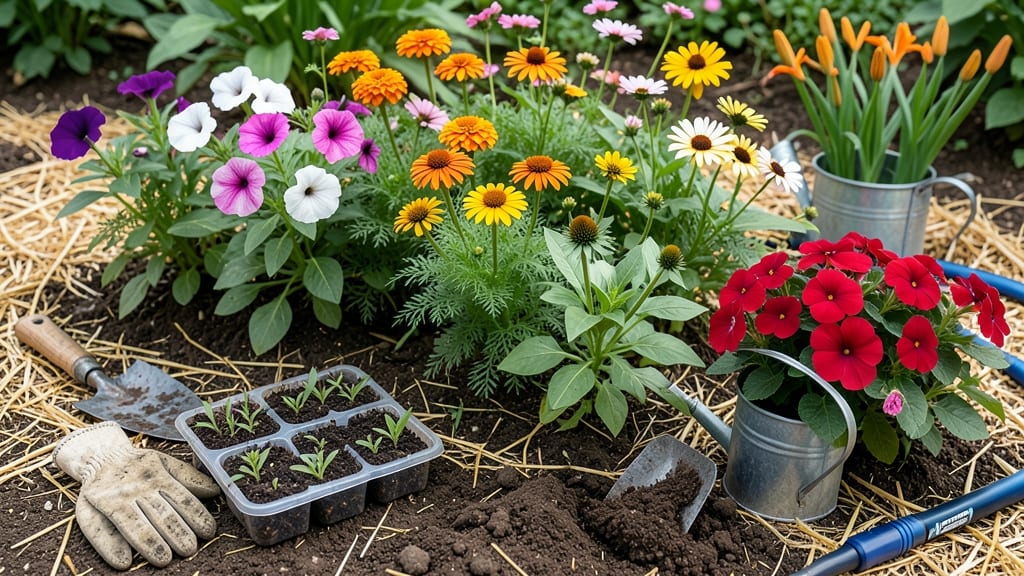
Timing your flower planting in North Carolina isn't just about following a calendar—it's about unlocking the secret to vibrant blooms that last all season.
With USDA zones 6a through 8b creating wildly different conditions across the state, getting it wrong can mean wilting disappointment instead of the lush gardens you dream of.
I've seen firsthand how a 2-week difference in planting can transform a struggling garden into one that bursts with color from spring to fall. Whether you're in the Piedmont's rolling hills or the Coastal Plain's humidity, knowing when to tuck those 🌸 seeds into the earth makes all the difference.
What if I told you the best time to plant isn't just "spring"? Some flowers actually thrive when planted in fall, while others need that perfect window after the last frost.
Let me show you exactly when to plant for each zone—plus which flowers will shine brightest in your yard.
From azaleas that love the mountains to daylilies that thrive in the Piedmont, we'll cover everything you need to know. Ready to turn your garden into a year-round paradise? Let's get started.
North Carolina flower planting deadlines by USDA Zone (7a-8b)
North Carolina spans USDA Zones 6a-8b, creating wildly different planting windows across regions. The Mountains (Zone 6a-7a) face later last frosts, while the Coastal Plain (Zone 8a-8b) enjoys earlier springs. Getting these deadlines right ensures your flowers thrive—not just survive.
For annual flowers, timing is critical: plant too early, and frost will kill tender seedlings. Too late, and you miss peak bloom seasons. Perennials have more flexibility, but even they need proper root establishment before winter sets in.
Here’s the key: last frost dates vary by 10-15 days across the state. In the Piedmont (Zone 7a-7b), average last frost is mid-March, while the Coastal Plain (Zone 8a-8b) sees frost-free conditions by late February. Use these as your baseline.
Bulbs like tulips and daffodils should hit the ground by late fall (October-November) to root before winter. Spring-blooming perennials, such as daylilies and coneflowers, can go in as early as February in Zone 8b but wait until March-April in Zone 6a.
Fall planting is your secret weapon for perennials and spring bulbs. In Zone 7a-8b, aim for September-October to let roots establish before winter. This gives plants a 6-8 week head start on growth next spring.
| Zone | Last Frost Date | Best Planting Window | Notes |
|---|---|---|---|
| 6a (Mountains) | Mid-March | April 15-May 15 (annuals) September 1-October 15 (perennials) |
Longer winters; protect tender plants. |
| 7a (Piedmont) | March 15 | March 20-April 30 (annuals) September 15-October 30 (perennials) |
Moderate climate; versatile for most flowers. |
| 7b (Coastal Piedmont) | March 1 | March 1-April 15 (annuals) September 1-October 15 (perennials) |
Warmer microclimates; extend season with row covers. |
| 8a-8b (Coastal Plain) | Late February | February 15-April 1 (annuals) August 15-October 1 (perennials) |
Longer growing season; tropical flowers thrive. |
Don’t let microclimates fool you. A south-facing slope in Zone 7a might warm up 2-3 weeks earlier than a low-lying area. Observe your garden’s behavior for 3 years to pinpoint your true last frost date.
For tender annuals like marigolds and zinnias, wait until 2 weeks after your average last frost. These heat-lovers won’t tolerate cold snaps, even if they’re hardy once established. Use row covers if you’re eager to plant early.
Perennials like black-eyed Susans and bee balm can handle light frosts once rooted. Plant them 4-6 weeks before your first expected frost in fall to give roots time to anchor. In Zone 8b, this might mean planting as late as November!
Pro tip: Mark your planting deadlines on a garden calendar with reminders for soil prep, fertilization, and mulching. A well-planned schedule turns guesswork into guaranteed blooms.
Best flowers to plant in North Carolina’s spring vs. fall seasons
North Carolina’s spring and fall seasons offer two prime windows for planting flowers—each with its own advantages.
In spring, you’ll find cooler temperatures and longer daylight hours perfect for annuals like marigolds and petunias, while fall planting gives perennials like daylilies and black-eyed Susans time to establish roots before winter.
The key difference? Spring planting is all about quick blooms, while fall planting builds root strength for next year’s show. I’ve planted both ways, and trust me—fall perennials often outperform their spring-planted cousins by 30-40% in bloom size and longevity.
🌸 Spring Planting Highlights
Marigolds, Petunias, Zinnias
After last frost (Feb-Mar)
Instant summer color
🍂 Fall Planting Highlights
Daylilies, Coneflowers, Black-Eyed Susans
6-8 weeks before first frost (Sep-Oct)
Strong root systems
For Zone 7a gardeners like me, fall planting in September gives perennials a head start before winter. I’ve seen black-eyed Susans planted in fall bloom 2 weeks earlier than those planted in spring—plus they handle NC’s humidity better with established roots.
If you’re in Zone 8b, extend your fall window until November for tropicals like mums and pansies. These cool-season lovers thrive when planted in October and often rebloom in spring with minimal care. Just remember: water deeply before the ground freezes!
Pro tip: Test your soil before planting—NC’s clay-heavy soils need compost or sand for annuals to drain properly. I mix in 1 inch of compost at planting time, and my petunias thank me with bigger blooms all season.
Don’t overlook bulbs either! Plant tulips and daffodils in fall (Oct-Nov) for spring surprises. They’ll naturalize beautifully in lawns or borders, returning year after year with zero effort after that first planting.