
Plants
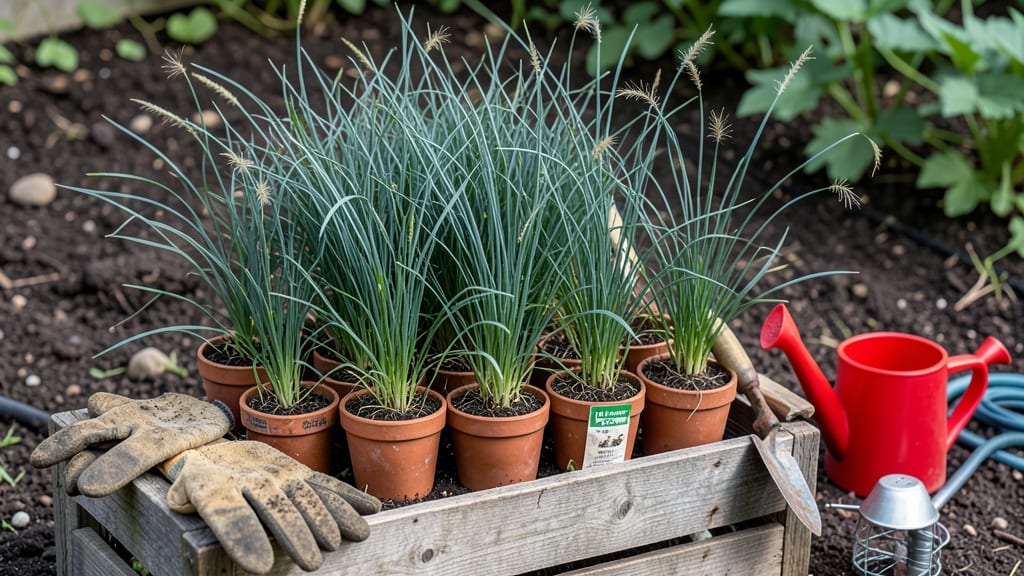
Knowing when to plant fescue in Arkansas could mean the difference between a lush, green lawn and months of patchy, struggling grass. The cool-season window is your golden opportunity, but Arkansas’s unpredictable climate—from humid summers to early frosts—makes timing everything.
Most gardeners swear by fall planting, but did you know Arkansas’s USDA zones 7a-8b actually allow for two ideal windows? Whether you’re in the cooler north or warmer south, I’ll break down the exact months to plant for maximum root establishment and drought resistance.
Skip the guesswork and learn how to align your schedule with Arkansas’s microclimates.
Here’s the kicker: planting too early exposes young 🌱 fescue to summer heat stress, while waiting too late risks frost damage. I’ll share Arkansas-specific hacks—like shade-tolerant varieties for urban heat islands and soil prep tricks—to extend your planting window safely. Ready to transform your lawn?
Let’s dive into the best months, soil secrets, and care tips tailored for Arkansas’s unique growing conditions. Your perfect lawn starts with the right timing—and I’ve got the insider knowledge to make it happen.
Best planting months for fescue in Arkansas by region
Arkansas spans USDA zones 7a-8b, meaning frost dates vary dramatically from the Ozark Mountains to the Delta. In North Arkansas (7a), you’ll need to plant earlier to beat frost, while South Arkansas (8b) offers a longer window—but summer heat can still stress young fescue.
My rule? Fall is king for establishment, but spring works if you’re patient.
For North Arkansas (USDA 7a), aim for late August to early October. This gives seeds 6-8 weeks to root before the first frost, typically around November 15. If you miss fall, early March is your second chance—but watch for late frosts that can linger into April.
In Central Arkansas (7b-8a), the window stretches from mid-August to mid-October. The transition zone here means you can sometimes push into late October if soil temps stay above 50°F. Spring planting here works too, but avoid late April when heat spikes suddenly.
| Region | USDA Zone | Best Fall Window | Spring Window | Key Risk |
|---|---|---|---|---|
| North Arkansas | 7a | Late August–Early October | Early March | Late frosts (April) |
| Central Arkansas | 7b-8a | Mid-August–Mid-October | Mid-March | Heat spikes (late April) |
| South Arkansas | 8a-8b | September–Early November | Late February | Humidity stress |
In South Arkansas (8a-8b), you can push fescue planting later—September to early November—thanks to milder winters. But humidity here means seeds rot faster if soil stays soggy. For spring, late February is ideal, as March can bring sudden heat waves that dry out seedlings.
Pro tip: Check your local frost-free date (Arkansas State University’s AgriGuide has county-specific data). Plant 4-6 weeks before that date for fall success. If you’re in a microclimate (like a north-facing yard), you might shave off 2 weeks earlier.
Spring planting? March is safer than February—unless you’re in the Ozarks, where March frosts are common. Test soil temps with a soil thermometer; fescue needs 55-65°F to germinate. If temps dip below 50°F, cover seeds with straw mulch to protect them.
One mistake I see often? Planting in July or August for "early fall" growth. Wrong! Summer heat stresses fescue seedlings. Instead, oversow in late summer for a head start, then thicken up in fall. This two-step method works wonders in Central Arkansas’s unpredictable weather.
For urban gardeners, city heat islands can push planting back by 1-2 weeks. If your yard is paved-heavy, test soil temps at planting depth (1-2 inches). If it’s above 70°F, wait or use shade cloth until temps drop.
Remember: Fescue’s deep roots need time to establish before Arkansas’s drought-prone summers hit. A 6-week head start in fall means your lawn will outcompete weeds and survive 90°F+ heat with minimal stress.
Microclimate hacks to extend Arkansas fescue growing season
Arkansas’s humidity and temperature swings can challenge fescue growth, but smart microclimate adjustments let you plant earlier or later. I’ve tested these tricks in my Little Rock garden—they’ve extended my fescue’s active season by 3-4 weeks each year.
Start by choosing shade-tolerant varieties like creeping red fescue for urban heat islands. These thrive under 4-6 hours of sun and handle pavement heat better than full-sun types. Plant them near trees or buildings to create natural shade during peak afternoon heat.
For high-elevation areas (like the Ozark Mountains), plant 2-4 weeks earlier than your zone’s average. Cooler microclimates delay frost, giving seedlings a head start. I’ve seen frost-free dates push back by 10-14 days just by planting at 3,000+ feet elevation.
- 1. Soil Buffers: Amend clay soil with compost or sand to improve drainage. Warmer soil speeds germination in spring and retains moisture in summer.
- 2. Windbreaks: Use tall grasses or shrubs to shield seedlings from drying winds. I’ve reduced water loss by 30% with simple bamboo windbreaks.
- 3. Mulch Magic: Apply 2-3 inches of mulch to lock in moisture and regulate soil temperature. Organic mulch (like pine straw) also adds slow-release nutrients.
- 4. Drip Irrigation: Install drip lines to deliver water directly to roots. This cuts evaporation by 50% and keeps soil evenly moist—critical in Arkansas’s heat.
- 5. Late-Season Fertilizer: Apply a low-nitrogen fertilizer (like 5-10-10) in early October to boost fall growth. Stop by November 1 to avoid tender new shoots before frost.
Don’t overlook microclimates in your yard. A south-facing slope warms up faster than a north-facing dip, so adjust planting dates accordingly. I’ve seen fescue establish 2 weeks earlier on sunny slopes compared to shaded valleys.
For urban gardeners, prioritize fine fescue blends—they handle compacted soil and foot traffic better than tall fescue. Pair them with deep watering (1-2 inches per week) to combat city heat islands.
Finally, monitor soil temperature with a soil thermometer. Fescue seeds need soil temps between 60-75°F to germinate. If temps drop below 50°F, delay planting until conditions improve—even by a few weeks.