
Plants
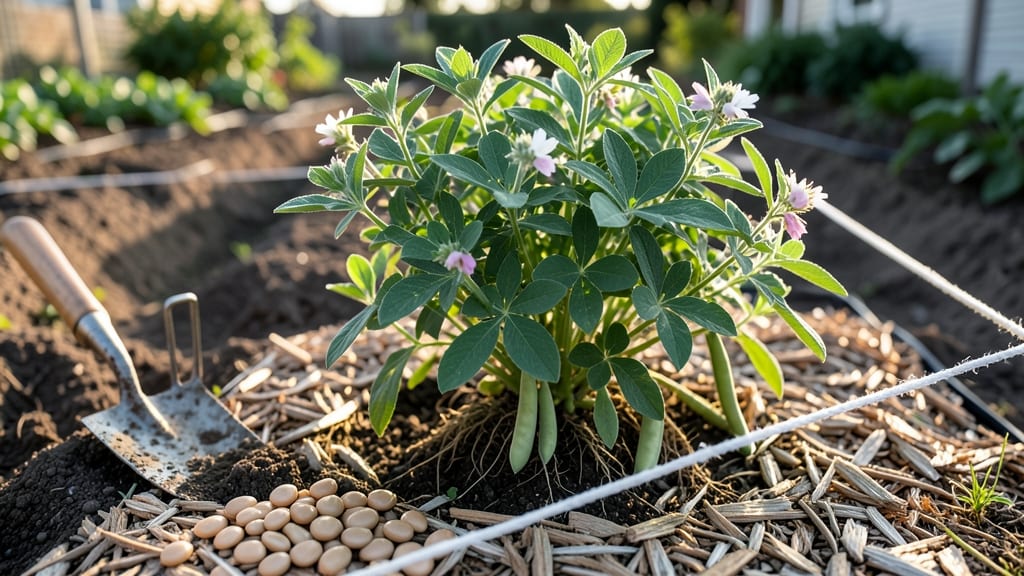
Knowing when to plant fava beans in Zone 6 can mean the difference between a thriving garden and wasted effort. These cool-weather lovers 🌱 struggle when summer heat rolls in, so timing is everything.
If you’ve ever planted them too late and watched your seeds fail, you’re not alone—many gardeners miss the sweet spot.
In Zone 6, the ideal window is early spring (March–April) or late summer (August–September), when soil temps hover between 45–75°F. Planting too early risks frost damage, while waiting too long can leave you with bitter, heat-stressed pods.
The key? Start seeds indoors or direct-sow after your last frost date (around April 15 for most of Zone 6) to give them a head start.
But here’s the secret: fava beans are surprisingly flexible. With a little planning, you can extend their growing season for a fall harvest too. Whether you’re a first-time gardener or a seasoned pro, mastering these timing tricks will help you grow bigger, sweeter beans without the guesswork.
Let’s break down the exact steps to get it right every time.
From soil prep to frost dates, I’ll walk you through the most important factors—so you can skip the trial-and-error and enjoy a harvest from June to November. Ready to transform your garden?

Zone 6 fava bean planting calendar: frost dates & soil temperature rules
Fava beans (Vicia faba) love cool weather but bolt in summer heat—so timing is everything in Zone 6. The last frost date (around April 15) and first frost date (around October 15) bookend your planting windows.
For spring, aim for March to early April when soil temps hit 45°F; for fall, plant 8-10 weeks before frost (late August to early September).
Soil temperature is your #1 trigger. Fava beans germinate best between 45°F and 75°F—too cold (below 40°F) delays sprouting, while above 80°F causes heat stress. Use a soil thermometer to confirm readiness. In Zone 6, March-April soils typically warm to 50°F+, perfect for spring plantings.
Your frost-free window spans 165 days, but fava beans mature in 90-120 days.
This means you can squeeze in two harvests per year: one from spring plantings and another from fall. Early varieties (like 'Himalaya') mature faster (60-90 days), while late varieties (like 'Aquadulce Claudia') take 100-120 days—plan accordingly.
⚠️ CRITICAL: Avoid planting when nighttime temps dip below 32°F—frost kills seedlings. Use row covers if early spring planting coincides with late frosts. Conversely, don’t plant too late—seeds won’t germinate if soil cools below 45°F in fall.
| Planting Window | Soil Temp Requirement | Frost Risk | Best Varieties |
|---|---|---|---|
| Early Spring (March 1 - April 15) | 45°F - 60°F | Moderate (use row covers) | 'Himalaya', 'Early Bird' |
| Late Summer (August 1 - September 15) | 50°F - 70°F | Low (plant 8-10 weeks before frost) | 'Aquadulce Claudia', 'Long Pod' |
For spring plantings, start seeds indoors 4-6 weeks before last frost (early February) or sow directly 2-3 weeks after frost. In Zone 6, March 15 is a safe direct-sowing date for most areas.
For fall plantings, aim for August 15-September 1—this ensures pods mature before October’s first frost.
Pro tip: Test your soil before planting—fava beans prefer pH 6.0-7.5. Amend with compost or lime if needed. Well-draining soil prevents rot, while poor drainage leads to moldy seeds. A 5-10-10 fertilizer at planting boosts early growth.
Watch for soil moisture: seeds need consistent dampness to germinate but drown if waterlogged. Mulch with straw to retain moisture and regulate soil temps. In dry Zone 6 summers, water deeply 2-3 times per week until plants establish roots.
If you miss the ideal window, try succession planting every 2-3 weeks in spring for staggered harvests. For fall, late August is your last chance—any later, and seeds may not mature before frost. Save seeds from your best pods for next year’s garden!
Remember: patience pays off. Fava beans grow slowly at first but reward you with high-protein pods when timed right. Mark your calendar for March 15 and August 15—these are your Zone 6 golden windows for success. 🌱
How to time fava bean plantings for fall & spring harvests in Zone 6
Timing your fava bean plantings in Zone 6 is all about working with the cool seasons. You’ll want to plant once in early spring (March-April) for a summer harvest and again in late summer (August-September) for a fall harvest.
This dual-season approach maximizes your yield while avoiding the heat stress that stunts growth.
For spring plantings, aim to sow seeds as soon as the soil warms to 45°F—typically by mid-March in most of Zone 6. This gives plants a head start before summer’s heat arrives.
If you’re in a cooler microclimate, wait until early April to avoid frost damage to emerging seedlings.
For fall plantings, start seeds 8-10 weeks before your first frost (around mid-October in Zone 6). This ensures pods mature before cold weather sets in. Varieties like 'Aquadulce Claudia' (a classic choice) thrive in both seasons, while 'Himalaya' (a dwarf variety) is better suited for late summer sowings.
Step-by-Step Planting Timeline for Zone 6
- Early Spring (March-April): Sow seeds 1-2" deep, 2-3" apart in full sun after last frost. Use row covers if frost threatens.
- Mid-Spring (May): Thin seedlings to 6" apart. Fertilize lightly with 5-10-10 if soil tests low in nutrients.
- Summer (June-July): Harvest pods when 2-3" long. Succession plant every 2 weeks for continuous harvests.
- Late Summer (August-September): Sow second crop 8-10 weeks before first frost. Mulch to retain soil moisture.
- Fall (October-November): Harvest before hard frost. Save seeds from best pods for next year.
If you’re new to succession planting, start with just one variety (like 'Aquadulce Claudia') to test your timing. Once you’ve mastered the rhythm, mix in 'Himalaya' for a compact option that’s perfect for containers or small gardens.
Just remember: water consistently (1 inch per week) and avoid overhead watering to prevent fungal diseases.
Pro tip: Mark your calendar with your last frost date (typically April 15 in Zone 6) and count backward for fall plantings. This simple trick ensures you never miss the window for a second harvest.
With these timing strategies, you’ll enjoy fresh fava beans from June through November—even in Zone 6’s shorter growing season.
🌱🌿✂️