
Flowers
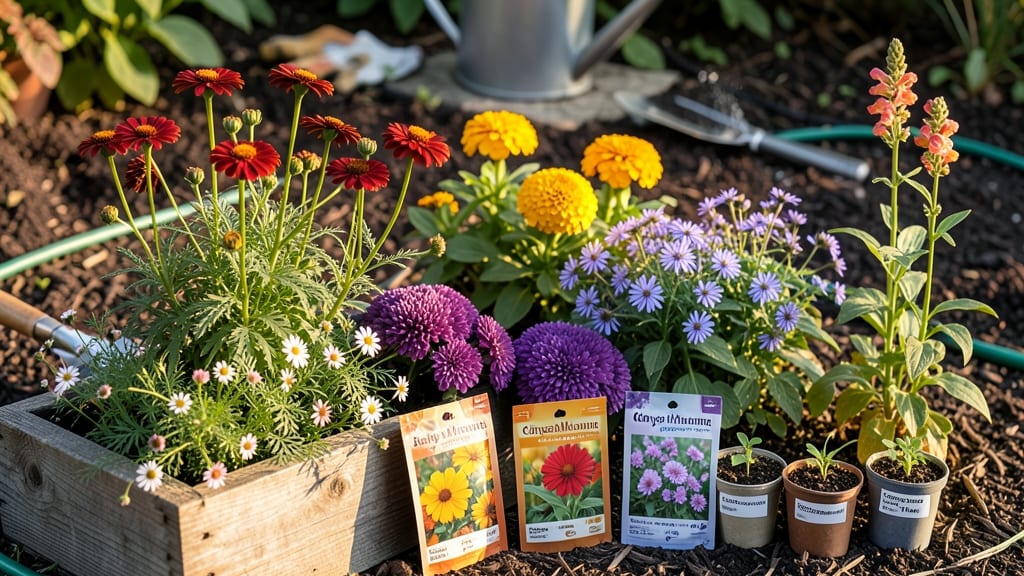
Planting fall flowers in Georgia isn’t just about timing—it’s about catching that sweet spot between late summer heat and the first frost. If you miss the window, you’ll end up with wilted blooms or a garden that never quite takes off.
The key? Starting 6-8 weeks before your area’s first frost, which in Georgia’s Zone 8a typically lands between mid-August and early September.
Georgia’s warm climate gives you a longer growing season than most regions, but that doesn’t mean you can wait until October. The ideal planting window depends on where you live—Atlanta’s cooler microclimate may need earlier prep than Savannah’s milder coastal air.
Whether you’re dreaming of vibrant mums or hardy pansies, getting it right means your garden will burst with color well into winter.
I’ve learned the hard way that rushing the process leads to sad, stunted flowers. The secret isn’t just picking the right dates—it’s also about prepping your soil and choosing varieties that thrive in Georgia’s humidity and occasional early frosts.
Let me show you exactly how to set your fall flowers up for success, from soil prep to frost-proofing tricks that actually work.
Ready to transform your yard into a fall spectacle? We’ll break down the perfect planting schedule, the best flowers for your zone, and how to stretch their blooms as long as possible. No more guesswork—just a garden that steals the show.
Georgia heat-Zone 8a fall planting deadlines by flower type
Georgia’s USDA Heat Zone 8a offers gardeners a 6-8 week window for planting fall flowers—but missing the mark can mean frost-nipped blooms or stunted growth. The key? Planting 6-8 weeks before your average first frost date, which typically falls between mid-November and early December across the state.
For example, Atlanta’s first frost usually arrives around November 15, while Savannah may see frost as late as December 10.
Timing varies by flower type: annuals like pansies thrive when planted 8-10 weeks before frost, while hardy perennials such as asters can handle a 4-6 week lead time. Bulbs like tulips and daffodils need 6-8 weeks to establish roots before winter dormancy.
Let’s break down the exact deadlines and regional adjustments to ensure your fall garden shines until the first freeze.
| Flower Type | Planting Window | Frost Buffer | Regional Adjustment |
|---|---|---|---|
| Annuals (Pansies, Snapdragons) | Late August - Early September | 8-10 weeks before frost | Add 1-2 weeks in North GA |
| Perennials (Mums, Asters, Salvia) | Mid-September - Early October | 4-6 weeks before frost | Subtract 1 week in South GA |
| Bulbs (Tulips, Daffodils, Hyacinths) | October - Early November | 6-8 weeks before frost | Plant 2 weeks earlier in mountainous areas |
| Cold-Hardy Annuals (Sweet Alyssum, Calendula) | September - Mid-October | 6 weeks before frost | No adjustment needed |
For North Georgia regions like Dalton or Blairsville, where frosts arrive earlier, start planting annuals by late August and perennials by mid-September. In contrast, South Georgia areas like Waycross or Valdosta can extend planting until early October for most flowers.
Always check your local Cooperative Extension Service for precise frost dates—these can shift 1-2 weeks annually due to climate fluctuations.
Pro tip: Use mulch (2-3 inches) after planting to insulate roots and delay frost damage. For container-grown flowers, move pots to sheltered spots or wrap them in burlap once nighttime temps drop below 50°F.
This simple step can extend blooms by 2-3 weeks in marginal climates like Zone 8a.
If you’re planting tulip bulbs, aim for October 1-15—this gives them time to develop roots before soil temps drop below 50°F.
For chrysanthemums, which are heat-sensitive, plant them 6-8 weeks before your first frost and choose late-blooming varieties like ‘Dazzler’ or ‘Bright Golden Anne’ for prolonged color.
One common mistake? Waiting until late September to plant pansies. These cool-season darlings need 8 weeks of growth before frost, so late August planting is ideal. If you miss this window, opt for cold-hardy varieties like ‘Matrix’ or ‘Cool Wave’, which tolerate light frosts (28-30°F) without damage.
For bulb flowers, focus on October planting to avoid rot from soggy soil in Georgia’s warm, wet autumns. Amend your soil with compost or aged manure to improve drainage, and plant bulbs 3x deeper than their height for stability.
This is especially critical for hyacinths and crocuses, which can rot in waterlogged conditions.
Don’t forget to water deeply after planting—1 inch per week is ideal—to encourage root establishment. Reduce watering as temperatures drop, but avoid letting soil dry out completely.
In drought-prone areas like West Georgia, consider drip irrigation to deliver consistent moisture without wetting foliage (which can promote fungal diseases).
By following these Zone 8a-specific deadlines and adjusting for your microclimate, your fall garden will burst with color from September through December. The secret? Plant early, mulch well, and choose cold-hardy varieties—then sit back and enjoy the show before winter arrives.
Georgia heat-Zone 8a fall planting deadlines by flower type
Georgia’s Zone 8a climate gives you a longer fall growing season, but first frost dates vary dramatically between North and South Georgia. In the Atlanta metro area, expect your first frost around mid-November, while coastal areas like Savannah may see frost as late as January.
To maximize blooms, plant 6-8 weeks before your local frost date—that’s typically late August to early September for most of the state.
For annual flowers like pansies and snapdragons, aim to plant by mid-September to ensure they establish roots before winter. Perennials such as asters and chrysanthemums can handle later planting, even into early October, but they’ll need extra care to survive mild frosts. Bulbs like tulips should go in the ground by mid-October to root before the ground cools.
Here’s a quick reference for Georgia’s fall planting deadlines by flower type, adjusted for regional microclimates:
| Flower Type | Planting Window (Zone 8a) | Frost Risk | Regional Adjustment |
|---|---|---|---|
| Annuals (Pansies, Snapdragons) | Late August - Mid-September | High (early frost) | North GA: 2 weeks earlier |
| Perennials (Asters, Chrysanthemums) | Mid-September - Early October | Moderate | South GA: 1 week later |
| Bulbs (Tulips, Daffodils) | Mid-October | Low (roots before frost) | Coastal GA: Late October |
If you’re in North Georgia (e.g., Atlanta, Dahlonega), err on the side of earlier planting—cool nights can stunt growth.
In South Georgia (e.g., Savannah, Macon), you’ve got a little more flexibility, but don’t wait past mid-October for most flowers. Mums (chrysanthemums) are a great example: Plant them by September 1st in North GA or September 15th in South GA for peak blooms.
Pro tip: Check your local Cooperative Extension Service for hyper-local frost dates. For example, Athens often sees frost a week earlier than Augusta, even though they’re close in distance. A quick call or online lookup can save you from wilted disappointment.
Once you’ve nailed the planting timeline, the next step is prepping your soil and choosing varieties that thrive in Georgia’s humidity and occasional light frosts. We’ll cover those tricks in the next section to ensure your fall flowers bloom boldly and last longer.