
Companion Plants
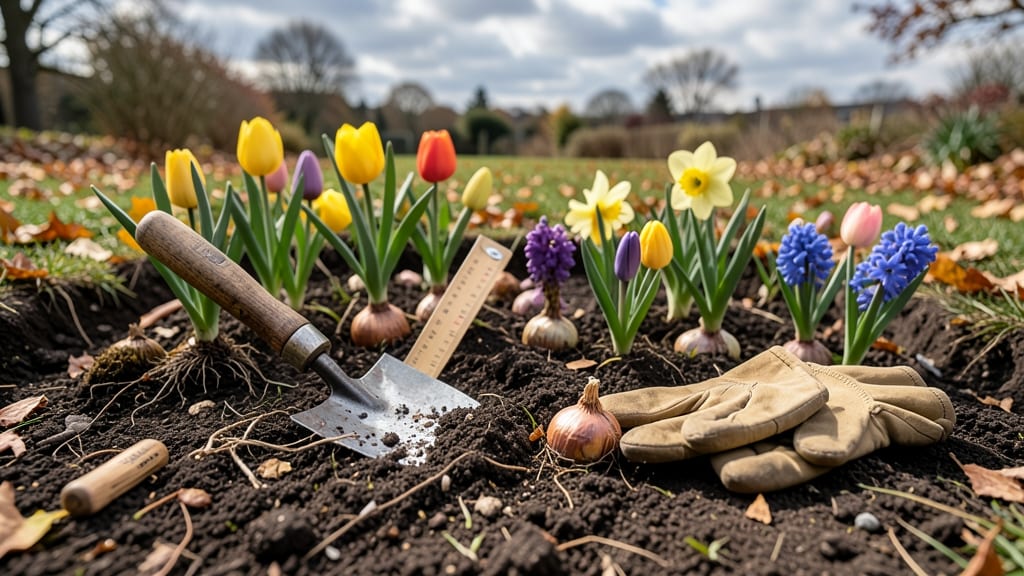
Timing your Fall-Planted Bulbs 🌱 just right is the secret to stunning spring blooms—and getting it wrong means missing the whole show. Whether you're planting tulips, daffodils, or crocuses, the 6-week window before frost is your golden opportunity to set roots deep and strong.
Most gardeners assume "earlier is always better," but the truth is more nuanced. Planting too soon means bulbs may sprout and get nipped by frost, while waiting too late cuts off their chance to establish roots.
In USDA Zone 6a, that ideal window typically falls between early September and mid-November—but your exact timing depends on local soil temperatures and frost dates.
I’ll walk you through how to calculate your perfect planting window, what to do if you’re late to the game, and the 3 key soil prep steps that make all the difference. No more guesswork—just vibrant blooms next spring.
Ready to transform your garden? Let’s dive into the science behind the 6-week rule and how to apply it to your climate, so you can plant with confidence and watch your yard burst to life in months to come.
The 6-Week pre-frost rule: exact timing for fall bulb planting
Fall bulb planting success hinges on one critical rule: plant 6 weeks before your first frost date. This window lets bulbs like tulips, daffodils, and crocuses develop roots while staying above freezing. Miss it, and you’ll either plant too early (roots rot) or too late (no root growth).
To find your exact window, check your USDA hardiness zone and local frost dates. Most northern zones (3-7) aim for late September to mid-October, while southern zones (8-10) can plant until November or even December for milder climates.
Pro tip: Use the soil thermometer method—plant when soil temps hit 60°F (15°C) but won’t drop below freezing for 6+ weeks. This beats guessing frost dates!
🌱 Fall Bulb Planting Timeline by USDA Zone
| Zone | Ideal Planting Window | Soil Temp Goal | Notes |
|---|---|---|---|
| 3-5 | Mid-Sept to Oct 15 | 50-60°F (10-15°C) | Early frost risk; use mulch |
| 6-7 | Late Sept to Nov 1 | 55-60°F (13-15°C) | Classic tulip/daffodil zone |
| 8-9 | Oct 15 to Dec 1 | 60-65°F (15-18°C) | Plant crocuses for winter color |
| 10+ | Nov 1 to Jan 15 | 65-70°F (18-21°C) | Tropical bulbs (e.g., dahlias) need winter chill |
⏰ Pro Tip: Adjust for microclimates—sheltered spots can plant 2 weeks later than exposed areas.
For tulips and daffodils, aim for 4-6 weeks before ground freeze. These bulbs need cold stratification to bloom. In USDA zones 3-5, that’s typically late September, while zone 7 gardeners can wait until early November.
Southern gardeners (zones 8-10) have flexibility—plant crocuses and snowdrops as late as December for winter blooms. Just ensure they get 60 days of cold temps before spring warmth triggers growth.
Ever wonder why some bulbs bloom earlier than others? It’s their chill-hour requirement. Tulips need 12-16 weeks below 40°F (4°C), while daffodils thrive with just 8-12 weeks. Plant daffodils first in early fall, then tulips 2-3 weeks later.
Don’t overlook tropical bulbs like cannas or dahlias. These need winter chill (6-8 weeks below 50°F/10°C) but must be dug up before frost. Plant them in late fall (Nov-Dec) in mild zones, or start them indoors in winter for spring planting.
Use your local extension office’s frost date map as your guide. Most apps (like Old Farmer’s Almanac) provide first frost dates—subtract 6 weeks to calculate your planting window. For example, if frost hits November 15, plant by October 1.
Remember: Early planting ≠ better. Bulbs planted too soon may sprout prematurely and get fried by frost. The 6-week rule balances root growth with frost protection—science-backed for vibrant spring blooms!
The 6-Week pre-frost rule: exact timing for fall bulb planting
Understanding the 6-week pre-frost rule is the key to successful fall bulb planting. This window allows bulbs to develop strong root systems before the ground freezes, ensuring vibrant blooms next spring.
For most USDA zones 3-10, this translates to planting between early September and mid-November, but your exact timing depends on local frost dates and soil temperatures.
Bulbs like tulips, daffodils, and crocuses need this cooling period to break dormancy naturally. If planted too early, they may sprout and get damaged by frost. Waiting too late cuts off their root growth time, leading to weak or no blooms.
The goal is to give them 4-6 weeks of warm soil (above 60°F) before the ground freezes.
🌱 Fall Bulb Planting Timeline by USDA Zone
| USDA Zone | Ideal Planting Window | Soil Temp Goal | Bulb Examples |
|---|---|---|---|
| 3-5 | Mid-September to early October | 50-60°F | Tulips, Daffodils, Crocuses |
| 6-7 | Late September to mid-October | 55-65°F | Hyacinths, Alliums, Fritillaries |
| 8-10 | October to early November | 60-70°F | Dahlias, Cannas, Caladiums |
*Adjust for early/late frosts in your area. Check your local last frost date and count backward 6 weeks.
To find your exact planting window, check your local frost dates (use the National Weather Service or Old Farmer’s Almanac) and count backward 6 weeks. For example, if your first frost is November 15, aim to plant by September 25.
In warmer zones (8-10), you can plant as late as early November, but avoid planting when soil temps drop below 50°F.
Pro tip: Use a soil thermometer to monitor temperatures. Bulbs need 4-6 weeks of soil temps between 50-65°F to establish roots. If your soil cools faster, opt for earlier planting. Conversely, in hot climates, wait until soil temps drop below 80°F to prevent premature sprouting.
Don’t overlook tropical bulbs like dahlias or cannas—they thrive in warm climates but need special care. Plant them in late fall (November) or early spring in zones 8-10, and protect them with mulch or row covers during winter.
These bulbs won’t survive frost, so treat them like annuals in colder areas.
Once you’ve nailed the timing, focus on soil prep and depth to maximize success. Well-draining soil and proper spacing are just as critical as the planting date. We’ll cover those secrets in the next section—so grab your gloves and let’s get those bulbs in the ground!