
Plants
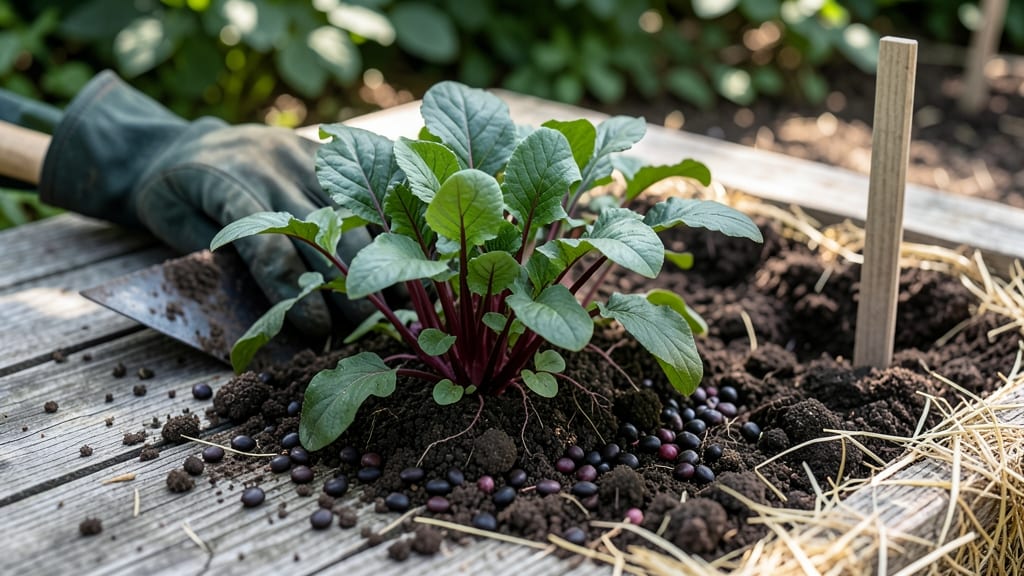
If you're dreaming of harvesting sweet, tender beets this fall in Zone 6, when to plant fall beets in Zone 6 is the first step to success. Planting your 🍠 seeds at the wrong moment could leave you with bitter, woody roots instead of the flavorful harvest you crave.
Most gardeners in Zone 6a make one critical mistake: waiting too long to plant. The ideal window is actually 4-6 weeks before your first frost, giving your beets just enough time to mature before winter sets in.
This isn't just about timing—it's about unlocking the natural sweetness that develops when beets grow in cooler temperatures.
I've learned the hard way that late summer heat stress can turn your beets tough and fibrous. But with the right approach, you can avoid this common pitfall and enjoy harvests from October through December.
Let me show you exactly when to plant, how to prep your soil, and what varieties work best for fall conditions in your region.
Whether you're a seasoned gardener or just starting, these insights will help you grow beets that are sweeter, more tender, and far more rewarding than store-bought. Ready to transform your fall garden? Let's get those seeds in the ground at the perfect moment.

Optimal planting windows for fall beets in Zone 6 based on frost dates
Timing is everything when growing fall beets in Zone 6. The key is planting 4-6 weeks before your first frost—typically between late July and early September—to ensure sweet, tender roots before winter sets in.
Beets mature in 50-70 days, so this window guarantees a harvest before hard freezes arrive.
In Zone 6, the average first frost date falls around October 15. Counting backward, your last planting window should be no later than mid-September for a harvest before winter. Early plantings in late July give you a longer growing season and larger roots.
Soil temperature matters too. Beets thrive when soil stays above 45°F—ideal for germination. In Zone 6, soil in late summer often hits this mark, but early September plantings may need row covers to protect young seedlings from unexpected chills.
Here’s how to calculate your perfect planting window: subtract 50-70 days (maturity time) from your first frost date. For example, if frost hits October 20, plant between August 10 and September 10 for a reliable harvest.
For extra security, aim for two planting windows: one in late July for early fall harvests and another in early August for late fall picks. This succession planting strategy extends your harvest and reduces waste.
| Planting Window | Frost-Free Days Before Harvest | Soil Temp Requirement | Harvest Timeframe |
|---|---|---|---|
| Late July | 70-80 days | 50-70°F | Early October |
| Early August | 60-70 days | 45-60°F | Mid-October |
| Early September | 50-60 days | 45°F+ (with protection) | Late October |
Cold-hardy varieties like 'Detroit Dark Red' or 'Golden' beets handle cooler temps better, making them ideal for late-season plantings. These varieties also develop sweeter roots when grown in fall’s cooler weather, thanks to slower growth and higher sugar content.
Pro tip: Use a soil thermometer to check temperatures before planting. Beets won’t germinate well in soil below 45°F, so wait for warmer spells in early September if needed. A black plastic mulch can also warm the soil and speed up germination.
Finally, remember that fall beets taste best when harvested before hard frosts. Even cold-hardy varieties become woody if left in the ground too long. Plan to harvest by mid-November in Zone 6 to enjoy the sweetest, most tender roots.
With the right timing, your fall beet harvest can be just as bountiful as spring plantings—if not better! The cooler temps and shorter days actually enhance flavor, making fall the perfect time to grow these versatile root vegetables.
Optimal planting windows for fall beets in Zone 6 based on frost dates
In Zone 6, the first frost typically arrives around mid-October, but your exact planting window depends on your local frost date. For the sweetest, tenderest beets, aim to harvest before hard frosts hit.
This means planting 4-6 weeks before your first frost date—usually between late July and early August.
Beets thrive in cool soil temperatures (50-75°F) and can tolerate light frosts, but they won’t develop their signature sweetness if planted too late. If you miss the early window, a second planting in late August can still yield harvests before winter sets in.
Just adjust your spacing and expect slightly smaller roots.
Here’s the key: Soil temperature matters more than air temperature. Use a soil thermometer to confirm it’s at least 50°F before sowing. Cold soil slows germination and can lead to uneven growth. In Zone 6, this usually aligns with late July to early September, depending on your microclimate.
| Planting Window | Weeks Before Frost | Soil Temp | Harvest Time |
|---|---|---|---|
| Late July | 6-8 weeks | 50-75°F | October |
| Early August | 5-7 weeks | 55-70°F | Late October |
| Late August | 3-4 weeks | 60-75°F | Early November |
*Adjust based on your local frost date (Zone 6 average: October 15)
For maximum sweetness, prioritize the late July to early August window. Beets planted this early develop larger, sweeter roots because they have more time to mature before frost. If you’re aiming for a late fall harvest, late August plantings work but may yield smaller beets.
Always check your local frost date—some Zone 6 areas experience frost as early as October 1, while others hold off until November 1.
Pro tip: Direct sow seeds rather than transplanting seedlings. Beets have delicate root systems that don’t handle transplant shock well. If you’re short on time, opt for cold-hardy varieties like Detroit Dark Red or Golden, which tolerate cooler temps better than others.
Finally, mulch your beds with straw or leaves to insulate roots and extend the harvest window. This simple step can push your last harvests into December in milder Zone 6 microclimates. Just avoid piling mulch directly against the stems to prevent rot.