
Plants
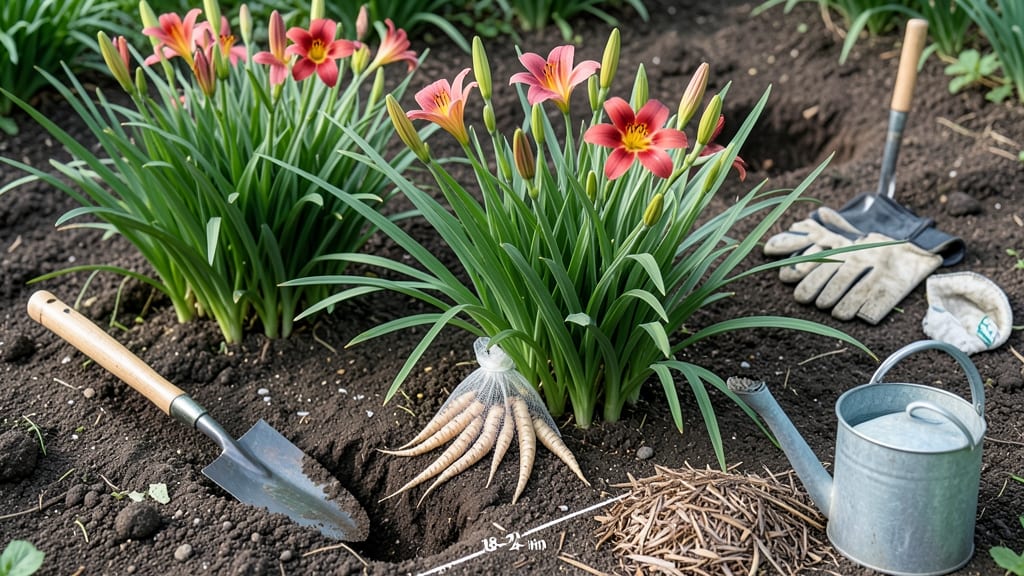
If you’re a Zone 9 gardener, timing your daylily bulbs planting could mean the difference between a vibrant spring display and struggling plants that never quite thrive. The key? Planting them 3–4 weeks before the first frost—or in late fall—so they establish roots before summer’s relentless heat kicks in.
Daylilies in Zone 9b are tough, but even they need a head start. Unlike cooler climates, you can’t wait until spring—those bulbs will bolt in the heat before blooming.
I’ll show you the exact window (late fall to early spring) and how to prep your soil to keep your 🌸 daylilies thriving, even when temps soar.
Most gardeners focus on when to plant, but the real secret is how. We’ll cover heat-resistant varieties, soil amendments to lock in moisture, and post-planting care to ensure your daylilies don’t just survive—they rebloom year after year.
Ready to skip the guesswork? Let’s dive into the foolproof strategy for planting daylilies in Zone 9, so you can enjoy those cheerful blooms from spring to summer without the stress.

Best planting months for daylilies in Zone 9: heat tolerance breakdown
Daylilies thrive in Zone 9’s warm climate, but timing is critical to avoid heat stress or premature bolting. Unlike cooler zones, Zone 9’s 300 frost-free days mean you can plant outside the traditional spring window.
My strategy? Focus on early fall and late winter—these periods give roots time to establish before summer’s peak heat.
Most gardeners in Zone 9 make the mistake of planting in late spring or summer, which causes bulbs to overheat and fail to root.
Instead, aim for October–November or March–April when soil temps are 60–70°F. This aligns with daylilies’ natural dormancy cycle, ensuring they bloom vigorously next season.
🌱 PRO TIP: Coastal areas in Zone 9 (like San Diego) can plant slightly later—even into December—thanks to milder winters. Inland zones (e.g., Phoenix) should stick to October to avoid winter rains that can rot bulbs.
🌡️ Zone 9 Planting Window Comparison
| Planting Window | Soil Temp Ideal | Heat Risk | Root Establishment |
|---|---|---|---|
| Early Fall (Oct–Nov) | 60–70°F | Low (cooling temps) | Excellent (6–8 weeks) |
| Late Winter (Mar–Apr) | 55–65°F | Moderate (spring heat) | Good (4–6 weeks) |
| Late Spring (May–Jun) | 75–85°F | High (bolting risk) | Poor (heat shock) |
| Summer (Jul–Aug) | 90°F+ | Critical (bulb death) | None (avoid) |
Note: Adjust for microclimates—e.g., desert areas plant earlier than coastal zones.
For coastal Zone 9 (e.g., Los Angeles), December can work if you’re planting reblooming varieties. These types handle cooler winter temps better. In inland deserts (e.g., Tucson), October is non-negotiable—summer heat here can push soil temps to 100°F, cooking bulbs in 48 hours.
If you miss the ideal window, don’t panic. Container-grown daylilies can be planted in late spring (May) as long as you provide afternoon shade and deep watering every 3–4 days. Just expect smaller blooms the first year while they recover from heat stress.
💡 KEY TAKEAWAY: Zone 9’s long growing season means daylilies can bloom year-round if planted correctly. My top pick? ‘Stella de Oro’—it flowers nonstop in heat and tolerates poor soil better than most varieties. Pair it with ‘Happy Returns’ for a double-bloom effect.
After planting, mulch heavily (3–4 inches of straw or wood chips) to lock in moisture and regulate soil temp. In Zone 9’s intense sun, mulch can reduce surface temps by 15°F, protecting young roots. Reapply mulch in late spring to shield bulbs as temps rise.
Watch for heat stress signs: yellowing leaves, drooping foliage, or premature bud drop. These mean your daylilies are overheating. Move potted plants to partial shade immediately and water at the roots (not the leaves) to avoid fungal issues.
For maximum blooms, fertilize lightly in spring (March) with a 10-10-10 mix and again after first blooms (June). Skip fall feeding—daylilies store energy for next year’s growth during winter dormancy. Over-fertilizing in Zone 9’s heat leads to leafy growth but fewer flowers.
Finally, divide clumps every 3–4 years
Best planting months for daylilies in Zone 9: heat tolerance breakdown
In Zone 9, the key to planting daylily bulbs successfully lies in understanding your microclimate. Coastal areas like San Diego have milder winters, while inland spots like Phoenix face extreme summer heat.
The best window? Late fall (October–November) or early spring (March–April)—just avoid summer planting, which causes bolting.
Daylilies thrive when planted 3–4 weeks before the first frost (rare in Zone 9b, but possible in high deserts). This timing lets roots establish before summer’s peak heat. For coastal gardeners, September–October is ideal, while inland gardeners should aim for November–March to escape summer stress.
Here’s the breakdown of planting windows tailored to Zone 9’s extremes:
| Planting Window | Zone 9 Microclimate | Key Consideration | Risk if Missed |
|---|---|---|---|
| Late Fall (Oct–Nov) | Coastal (mild winters) | Cool soil temps, minimal heat stress | Bulbs may dry out before winter |
| Early Spring (Mar–Apr) | Inland (hot summers) | Avoids summer bolting; roots establish fast | Heat stress if planted too late |
| September (Coastal Only) | Coastal (mild Sept) | Early start for winter blooms | Overheating if inland |
| Avoid Summer (Jun–Aug) | All Zone 9 | Extreme heat causes bolting | Poor root establishment |
Pro tip: If you’re in a high-desert area (like Palm Springs), plant in November to escape summer’s 110°F+ temps. For coastal gardeners, October is perfect—cool enough for roots but warm enough to avoid winter dormancy.
Once planted, mulch with 2–3 inches of compost to retain moisture and protect bulbs from summer’s heat. This trick keeps soil temps 10°F cooler, which is critical for root health in Zone 9’s intense sun.
Remember: Daylilies are rhizomes, not true bulbs, so plant them shallowly—just 1–2 inches deep—to encourage quick sprouting. The goal? Get those roots down before the June heatwave hits.