
Plants
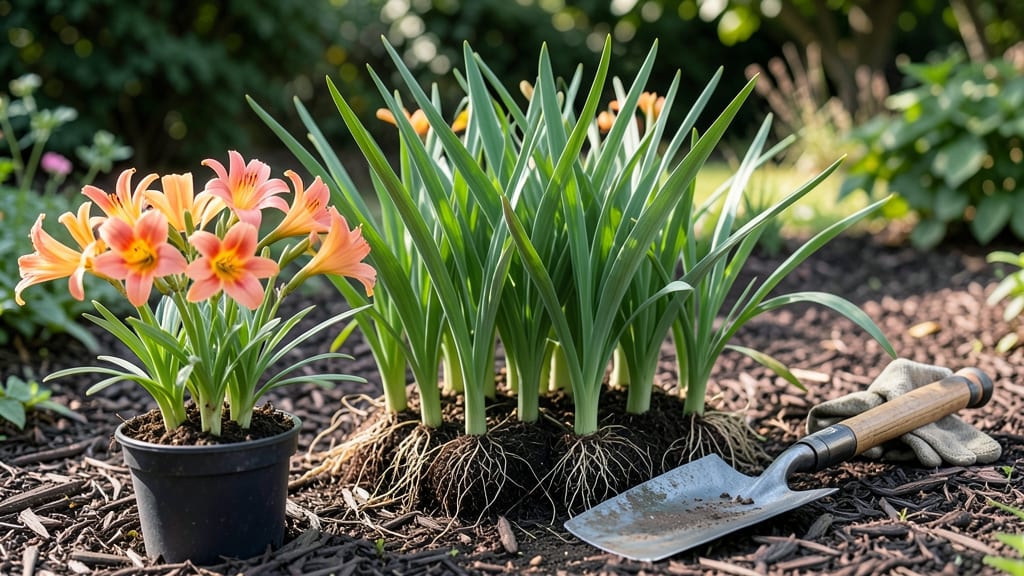
Planting daylilies in Georgia at the wrong time could mean fewer blooms and weaker plants—so getting the timing right is the key to vibrant 🌸 flowers year-round.
With Georgia’s warm climate and 7b-8b zones, you’ve got two perfect windows to plant: early spring or early fall. But choosing the wrong one could leave your daylilies struggling in the heat or frost.
I’ll break down exactly when to plant for the best results, so you can enjoy those stunning blooms from summer through fall.
Whether you’re a seasoned gardener or just starting out, knowing the ideal months—and what to avoid—makes all the difference. Let’s dive into the best strategies for planting daylilies in Georgia, so you can skip the guesswork and get straight to growing.
From soil prep to post-planting care, I’ll cover everything you need to know to give your daylilies the perfect start. Ready to turn your garden into a blooming paradise? Let’s get growing!
Best months to plant daylilies in Georgia’s climate zones
Georgia’s USDA zones 7b-8b create a perfect environment for daylilies (Hemerocallis), but planting timing directly impacts their root establishment and bloom performance. Unlike many plants, daylilies thrive when planted in either early spring or early fall, avoiding Georgia’s peak summer heat and winter frost risks.
Spring planting should begin 4-6 weeks before your last frost date (typically mid-March to early April in most of Georgia). This gives roots time to anchor before summer’s intense heat arrives.
Fall planting, however, offers a longer window—late August through October—but must finish 6-8 weeks before first frost (usually by mid-November in northern Georgia).
Why this timing? Daylilies need 60-75 days of warm soil (50°F+) to establish roots before dormancy. Planting too early risks rot from cold, wet soil, while planting too late cuts bloom time the following season. Georgia’s humidity and heat also make summer planting risky—new roots can’t handle the stress.
| Planting Window | Best Months | Soil Temp Requirement | Key Consideration |
|---|---|---|---|
| Early Spring | March–April | 50°F+ (10°C+) | Avoid frost; roots need 60+ days to establish |
| Early Fall | September–October | 60°F+ (15°C+) | Finish before first frost; 6-8 weeks for root growth |
| Avoid | May–August | N/A | Summer heat stresses new roots; fungal risks increase |
🌱 Pro Tip: Use a soil thermometer to confirm 50°F+ before spring planting or 60°F+ in fall.
Georgia’s microclimates add another layer of complexity. In northern Georgia (zone 7b), aim for March 15–April 15 in spring and September 1–October 15 in fall. Meanwhile, southern Georgia (zone 8a) gardeners can extend fall planting to early November in protected microclimates.
Always check local frost dates via the Georgia Climate Project for precision.
For reblooming varieties (like ‘Stella de Oro’), spring planting yields the most blooms, while seasonal types (like ‘Happy Returns’) perform better with fall planting. The key is matching planting time to variety expectations—rebloomers need early root establishment for multiple bloom cycles.
Don’t overlook soil preparation during your chosen window. Amend clay-heavy Georgia soils with compost or sand to improve drainage, and ensure pH 6.0–7.0. Work these adjustments into the soil 2–3 weeks before planting to allow it to settle.
If you’re in zone 8b (southwest Georgia), you can push fall planting to early November, but monitor soil moisture—Georgia’s winter rains can lead to rot if roots aren’t established. Mulch with 2–3 inches of pine straw after planting to regulate soil temperature and retain moisture.
For container gardening, timing shifts slightly. Plant potted daylilies in spring (April) to avoid summer heat stress in containers, which dry out faster. In fall, move containers to a protected location (like a garage) if frost threatens before roots establish.
Finally, avoid planting bare-root daylilies in Georgia’s heat. If you must plant in summer, soak roots for 2–3 hours before planting and use shade cloth for the first 2 weeks to reduce transplant shock. Most gardeners skip summer planting entirely to ensure success.
By aligning your planting with Georgia’s climate zones and frost dates, you’ll set daylilies up for vigorous growth and abundant blooms—whether you choose spring’s fresh start or fall’s cooler roots.
How to choose the perfect planting time for year-round blooms
Georgia’s frost dates and rainfall patterns create ideal conditions for daylilies, but not all planting times yield the same results. Reblooming varieties need early spring or early fall planting to establish roots before extreme heat or cold.
Let’s break down how to align your planting with Georgia’s climate for continuous blooms.
First, check your local frost dates—most of Georgia falls in USDA Zones 7b-8a, with last frosts around March 15 and first frosts near November 15.
Planting 4-6 weeks before the last frost (early March) or 6-8 weeks before the first frost (early September) gives roots time to settle before stress.
Daylily varieties also play a role. Reblooming types like ‘Stella de Oro’ thrive with spring planting, while seasonal bloomers (like ‘Happy Returns’) adapt better to fall. Match your variety to your planting window for longer bloom seasons.
🌸
- Step 1: Check your last frost date (March 15 for most of GA) and plant 4-6 weeks before for spring blooms.
- Step 2: For fall planting, aim for September-October when soil temps stay above 60°F for root growth.
- Step 3: Choose reblooming varieties for spring planting or seasonal types for fall to maximize blooms.
Georgia’s humidity and summer heat can stress young daylilies, so avoid planting in July-August. Instead, opt for early fall (September) when temps cool and rainfall increases. This gives plants time to root before winter dormancy.
Pro tip: Use the Georgia Extension Service’s frost map to pinpoint your exact zone. For example, North Georgia (Zone 7b) may need 2 extra weeks earlier than South Georgia (Zone 8a). Adjust your timing accordingly for healthier plants and more blooms.
Finally, monitor soil temperature. Daylilies thrive when soil stays above 60°F. Use a soil thermometer to confirm conditions before planting—especially in early spring or late fall. This small step prevents root rot and ensures vigorous growth.