
Plants
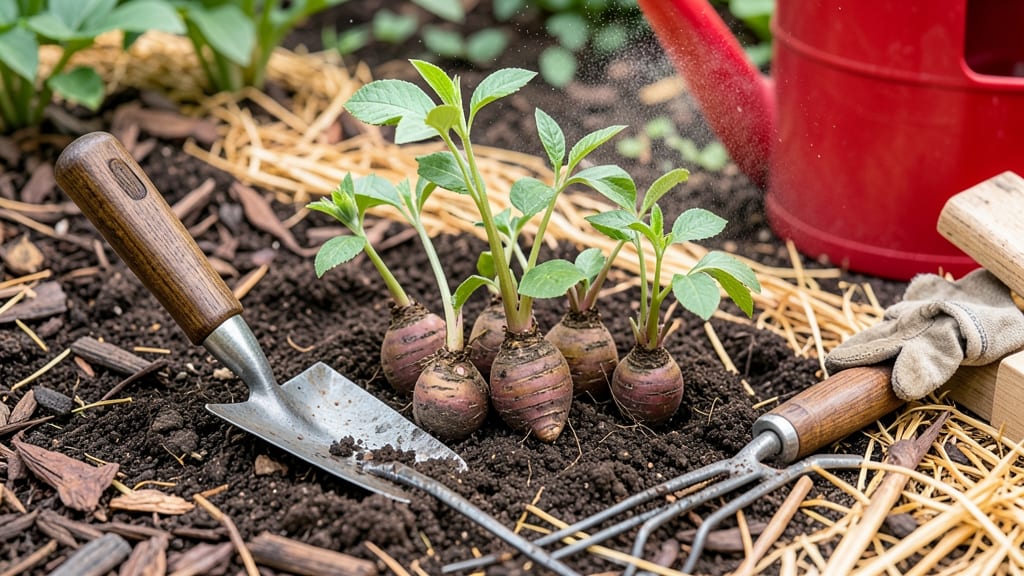
Knowing when to plant dahlias in Zone 9b can mean the difference between a showstopping garden and a struggle to keep these stunning 🌸 blooms alive. Unlike cooler climates, your desert or Southern California landscape offers a longer growing window—but timing still matters to avoid heat stress or missed blooms.
Most gardeners in Zone 9b wait until late February or early March, when soil temperatures hit 60°F and the threat of frost has passed completely.
But there’s a trick to extending your dahlias’ season even further—planting too early can lead to leggy stems, while waiting too long risks stunted growth before summer’s peak.
What if you could push your dahlias to bloom from June all the way through October? The secret lies in understanding your local microclimate and soil prep.
I’ll walk you through the exact 4-6 week window after your last frost date, plus how to adjust for early starts or late-season extensions.
Whether you’re a first-time dahlia grower or a seasoned pro, these insights will help you maximize your blooms without the guesswork. Let’s get those tubers in the ground at the perfect moment for bold, long-lasting color.

Optimal planting timeline for dahlias in Zone 9b: frost-free deadlines
In Zone 9b, where winters are mild and summers scorching, dahlias demand precise timing to avoid tuber rot or stunted growth. Unlike cooler zones, your last frost date (around January 15) is a non-issue—frost won’t harm tubers.
Instead, focus on soil temperature and heat acclimation to launch your dahlias into peak bloom season.
Your ideal planting window spans from late February to early April, aligning with when soil warms to 60°F+. This timing ensures tubers sprout before summer’s 100°F+ heat arrives, giving roots time to establish before the real heat stress begins.
Rush planting in May or later, and you risk bolting (rapid stem elongation) or bud blast from sudden heat.
Zone 9b’s microclimates add another layer: Coastal areas (like San Diego) can plant 2–3 weeks earlier than inland deserts (like Phoenix). Use a soil thermometer to confirm readiness—tubers need consistent warmth to avoid cold shock, even in mild winters.
| Stage | Action | Notes for Zone 9b |
|---|---|---|
| Late January | Chit tubers indoors | Place eyeside up in 60–70°F light; sprouts appear in 2–3 weeks. |
| Late February | Hardening off | Acclimate chitted tubers to outdoor temps over 7–10 days. |
| March 1–15 | Plant tubers | 60°F+ soil; bury 4–6 inches deep in well-draining soil. |
| April 1–30 | Stake & mulch | Use 3–4 ft stakes; mulch with 2–3 inches straw to retain moisture. |
| May–June | First blooms | Expect 60–90 days to first flower; deadhead spent blooms. |
For extended blooms, consider a fall planting (late August–September) with heat-tolerant varieties. This second flush thrives in cooler autumn temps (60–75°F) and avoids summer’s heat stress.
However, tubers planted this late may not fully harden before first frost, so dig and store them in cool, dry conditions for next year.
If you’re starting from seed (not tubers), begin indoors 8–10 weeks before last frost55°F. Seed-grown dahlias take 120–150 days to bloom, so aim for March sowing to enjoy summer flowers.
Pro tip: Use shade cloth for young plants in April–May to ease them into full sun. This gradual transition prevents sunburn on tender foliage, ensuring robust growth for bold, long-lasting blooms.
Remember, Zone 9b’s heat is your ally if managed right. Dahlias here can bloom year-round with proper timing, watering, and variety selection—so plan ahead for a garden bursting with color from spring to frost!
Optimal planting timeline for dahlias in Zone 9b: frost-free deadlines
In Zone 9b, where winters are mild and summers scorching, dahlias need precise timing to thrive. The ideal window spans from late February to early April, aligning with soil temperatures of 60°F+—the sweet spot for tuber growth.
Planting too early risks frost damage, while waiting too long can stunt your blooms before summer’s peak.
Your last frost date in Zone 9b typically falls around January 15, but don’t rush—wait 4-6 weeks after this date to ensure stable warmth. This timing lets tubers establish roots before the desert heat intensifies, preventing stress or rot.
For a head start, chit your tubers indoors in mid-February, exposing them to light to encourage early sprouting. This gives you a 2-3 week advantage once soil conditions are right. Just be ready to transplant outdoors by early March.
| Stage | Action | Notes |
|---|---|---|
| Mid-February | Chit tubers indoors | Place eyeside up in bright light |
| Early March | Plant outdoors | Soil temp ≥60°F, no frost risk |
| Late March | Add mulch | Retain moisture, prevent heat stress |
| April-June | Stake & fertilize | Support stems, feed every 4 weeks |
If you miss the spring window, don’t despair—fall planting is possible in Zone 9b! Aim for late August to early September, giving tubers time to root before winter’s mild chill. This method extends blooms into October, but prioritize disease-resistant varieties like 'Café au Lait' or 'Bishop'.
For container growing, plant tubers in late March once night temps stay above 50°F. Use lightweight potting mix and larger pots (12"+ diameter) to prevent overheating. Containers dry faster, so water deeply every 2-3 days in summer’s heat.
Pro tip: Monitor your local microclimate—valleys may frost later than hills. Use a soil thermometer to confirm 60°F+ before planting. With the right timing, your dahlias will reward you with summer-to-fall blooms that steal the show! 🌸