
Plants
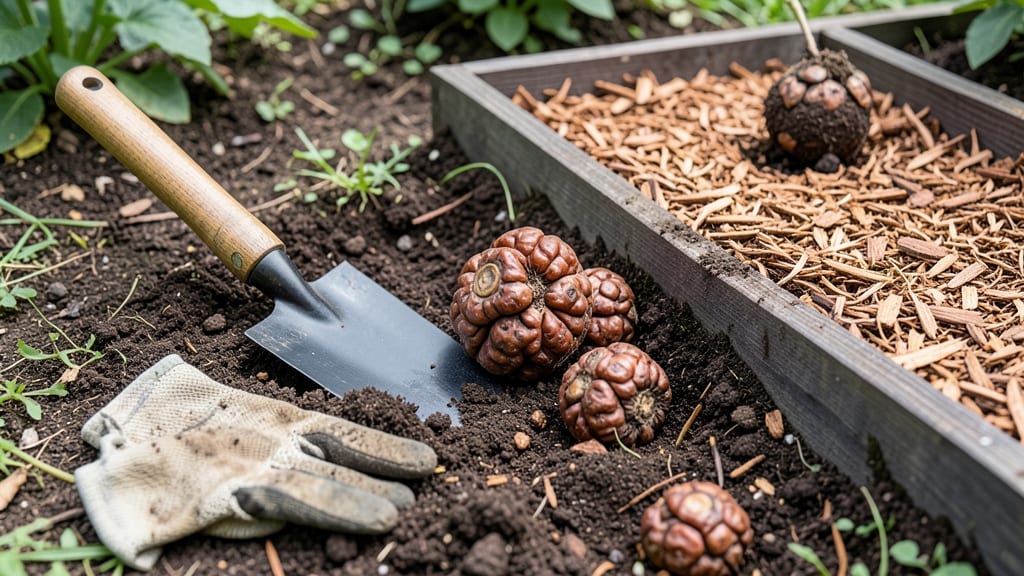
Timing your dahlia bulb planting in Ohio could mean the difference between a garden bursting with 🌼 blooms all summer and a season of disappointment.
With Ohio’s 6a-6b climate, getting those tubers in the ground at just the right moment—after the last frost but before the soil overheats—is the key to vibrant, long-lasting flowers.
Most gardeners wait until mid-to-late spring, but rushing too early risks frost damage, while waiting too long cuts your blooming season short.
I’ll break down exactly when to plant in Ohio, how to prepare your soil for success, and even share tricks to extend your dahlias’ glory from July all the way until the first frost.
If you’ve ever watched your dahlias struggle to thrive—or worse, wither before they even bloom—this is your chance to fix that. By the end, you’ll know the perfect window, soil secrets, and care tips to grow dahlias that steal the show in your Ohio garden.
Let’s get those tubers in the ground at the right time so you can enjoy bold summer blooms without the guesswork. Ready to transform your garden?
Ohio’s frost-free timeline: exact weeks to plant dahlia tubers for maximum blooms
Ohio’s USDA zones 6a-6b mean your dahlia tubers need precise timing to thrive. Planting too early risks frost damage, while waiting too long cuts your blooming season short. The ideal window is 4-6 weeks before your last frost date, typically mid-April to early May in most of Ohio.
But don’t guess—verify your local frost dates using the NOAA’s Frost/Freeze Tool for exact timing.
Northern Ohio (e.g., Toledo, Cleveland) often sees frost until May 15, while Southern Ohio (e.g., Columbus, Cincinnati) can plant as early as April 15. This 2-week difference matters for dahlias, which need consistent warmth to establish roots before summer heat arrives.
Use this timeline to avoid common mistakes and maximize your July-October blooms.
Dahlias are not true bulbs but tubers, which store energy underground. Unlike bulbs, they won’t survive frost, so timing is critical. Plant when soil temps hit 60°F (15°C)—use a soil thermometer to check.
In Ohio, this usually aligns with late April to early May, but early-morning frost can still sneak in, especially in Zone 6a.
| Region | Last Frost Date | Planting Window | Soil Temp Goal | Action |
|---|---|---|---|---|
| Northern Ohio (Z6a) | May 15 | April 25 - May 5 | 60°F (15°C) | Wait for soil warmth; use row covers if frost risk |
| Central Ohio (Z6b) | May 1 | April 15 - April 25 | 60°F (15°C) | Plant early; mulch to retain heat |
| Southern Ohio (Z6b) | April 15 | April 1 - April 15 | 55°F (13°C) | Plant earliest; protect with cloches if late frost |
| All Regions | N/A | June (late varieties) | 65°F (18°C) | Succession plant for extended blooms |
If you’re unsure about your last frost date, check NOAA’s Climate Data or use local garden centers’ records. For example, Cleveland’s average last frost is May 10, while Columbus’s is April 25.
Planting 4-6 weeks before these dates gives dahlias enough time to root before summer heat. Pro tip: Start tubers indoors in March for a head start, especially in Zone 6a.
Ohio’s heavy clay soils can delay warming, so amend with compost to speed up soil temperature rise. Test your soil’s moisture and drainage—dahlias hate soggy roots. A simple percolation test (pour water on soil; it should drain in 4-6 hours) ensures tubers won’t rot.
If your soil is too cold or compacted, use black plastic mulch 2 weeks before planting to warm it.
For extended blooms, consider succession planting: plant 1/3 of tubers every 2 weeks from April to June. This stretches your July-October blooming season and ensures fresh flowers even if early plants bolt in September heat.
Choose heat-tolerant varieties like ‘Café au Lait’ (creamy blooms) or ‘Bishop’ (deep red) for Ohio’s humid summers.
After planting, water deeply to settle soil and encourage root growth. Avoid overhead watering, which can spread fungal diseases like powdery mildew—common in Ohio’s high humidity. Instead, use a soaker hose or drip irrigation to keep foliage dry.
Mulch with 2-3 inches of straw to retain moisture and regulate soil temperature, especially in Northern Ohio’s cooler springs.
Remember: Dahlias are tender perennials in Ohio—they die back in frost but can be dug up and overwinter
5 Critical signs your Ohio soil is ready for dahlia tubers (and how to fix common mistakes)
Ohio’s clay-heavy soils in the north and sandy loam in the south can make or break your dahlias. Before planting, check for these 5 key signs—they’ll tell you whether your soil is ready or needs serious prep.
Skipping this step often leads to rotten tubers or stunted growth, and nobody wants that for their 🌼 showstoppers.
First, dig a 6-inch hole and examine the soil texture. If it’s rock-hard or stays clumped like concrete, you’ve got compacted clay—common in Northern Ohio. Southern Ohio gardeners might find gritty sand that drains too fast. Both extremes need adjustments before you plant.
Next, press your finger into the soil. If it feels damp but not soggy, you’re golden. But if water pools on top or the soil crumbles like dust, you’ve got drainage issues. Dahlias hate wet feet, so fix this now—or your tubers will rot before they even sprout.
Now, grab a soil thermometer (they’re cheap!). Dahlias need soil temps of at least 60°F to thrive. In Ohio, this usually happens by mid-to-late May, but cold springs can delay it. If your soil is still chilly, use black plastic mulch for 2-3 weeks to warm it up.
🌱 Soil Prep Pros & Cons for Ohio Gardeners
- Test soil pH (aim for 6.5-7.0)
- Add compost (2-3 inches mixed in)
- Use perlite for sandy soils
- Plant in raised beds if clay is extreme
- Plant in cold, wet soil (rot risk)
- Skip soil tests (pH matters!)
- Over-fertilize before planting (burns roots)
- Ignore drainage (dahlias hate soggy feet)
For Northern Ohio gardeners with heavy clay, mix in 1 part compost to 3 parts soil and top with 2 inches of mulch. Southern Ohio’s sandy soils? Amend with peat moss or coconut coir to retain moisture.
Pro tip: A 5-minute scratch test works too—scratch the soil with your fingernail. If it forms a smooth wall, it’s too compacted.
Finally, check for existing weeds. Dahlias compete fiercely for nutrients, and weeds will steal their spotlight. Pull any perennial weeds now and smother remaining soil with cardboard + mulch to prevent regrowth. Your dahlias will thank you with bigger, bolder blooms all season.
Once your soil passes these checks, your dahlias will have the perfect foundation to thrive. And remember: patience pays off—rushing soil prep is the fastest way to a disappointing garden. Now grab your gloves and get to work! 🌿