
Plants
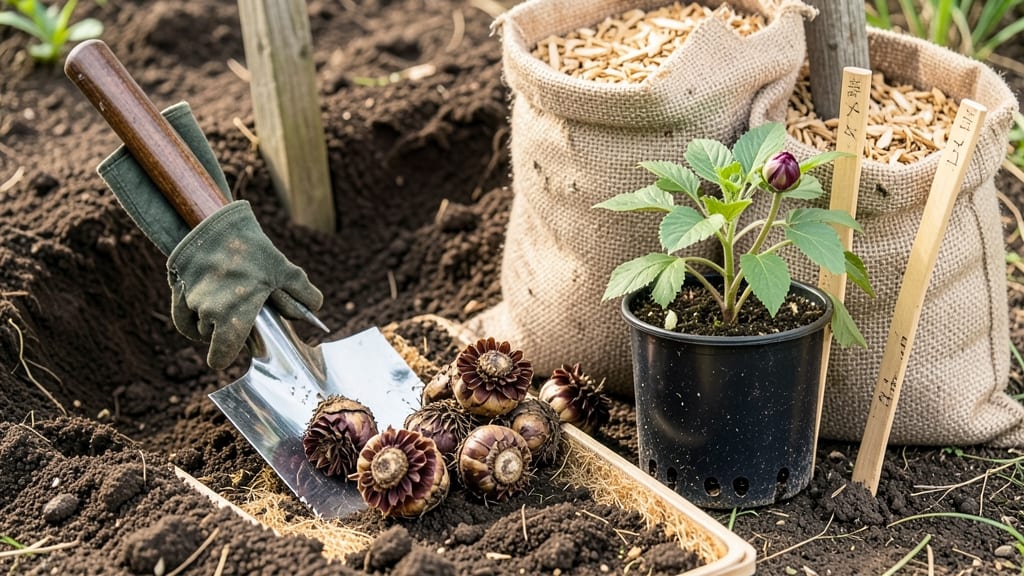
When to plant dahlias in Georgia is the secret to vibrant blooms that last from summer through fall. Plant too early, and a late frost could wipe out your 🌸 tubers before they even sprout. Too late, and the heat might stunt their growth before they establish roots—leaving you with leggy stems and fewer flowers.
Georgia’s USDA Zones 7b-8b mean you’ve got a narrow window to work with, typically between mid-April and early May, after the last frost date (usually around March 15).
But here’s the catch: soil temperature matters just as much as calendar dates. Dahlias need warm soil—at least 60°F—to thrive, so don’t rush the process.
In this guide, I’ll break down the exact planting timeline for your region, whether you’re in Atlanta’s Piedmont heat or Savannah’s coastal humidity. You’ll learn how to prep your tubers, adjust for microclimates, and avoid common mistakes that kill dahlias before they even bloom.
Ready to grow dahlias that steal the show? Let’s dive into the step-by-step strategy that’ll have your garden bursting with color all season long.
Georgia’s ideal dahlia planting months: frost protection vs. heat tolerance balance
Georgia’s USDA Zones 7b-8b create a delicate balance for dahlias—too early, and frost zaps tender tubers; too late, and scorching heat stunts growth. The sweet spot is April 15–May 15, when soil warms to 60°F+ and nighttime temps stay above 50°F.
This window aligns with Georgia’s average last frost date (March 15) but accounts for late-season cold snaps in the mountains.
For Atlanta and Piedmont regions, aim for April 1–April 30—after the last frost but before summer’s brutal heat peaks. In coastal Savannah and Brunswick, you can plant 2–3 weeks earlier (March 15–April 15) thanks to milder winters and higher humidity.
Always check your local Almanac frost maps for precise dates.
Dahlias thrive in Georgia’s long, hot summers, but they despise stifling heat before establishing roots. Planting in late April or early May lets tubers grow slowly at first, then burst into bloom as temperatures stabilize. This strategy prevents bolting (rapid stem elongation) that weakens plants.
| Region | Ideal Planting Window | Soil Temp Requirement | Key Risk to Avoid |
|---|---|---|---|
| Atlanta/Piedmont | April 15–May 1 | 60°F+ | Late frost (after March 15) |
| Savannah/Coastal | March 15–April 15 | 55°F+ | Humidity-related rot |
| North Georgia (Zone 7b) | May 1–15 | 65°F+ | Extended cold snaps |
Use a soil thermometer to confirm readiness—dahlias won’t sprout until soil hits 60°F. In clay-heavy Georgia soil, mix in compost or sand to improve drainage and warmth retention. For extra protection, cover tubers with black plastic mulch 1–2 weeks before planting to accelerate warming.
If you’re starting with tubers (not transplants), pre-sprout them indoors 4–6 weeks before your target planting date. This chitting process gives you a head start and stronger plants. Place tubers in a bright, cool spot (60–65°F) with the eyes facing up—they’ll sprout in 2–3 weeks.
For transplants, buy hardened-off plants from nurseries in late April. Look for well-rooted specimens with 2–3 sets of leaves—these adjust faster to Georgia’s heat.
Avoid overly leafy plants, which may be root-bound or stressed. Plant them deeper than their nursery pot to stabilize stems in windy Piedmont areas.
After planting, water deeply to settle soil and encourage root growth. Use mulch (straw or pine needles) to retain moisture and block weeds. In high-heat zones like Macon, provide afternoon shade during June–July to prevent wilting.
Dahlias will reward you with continuous blooms from July to frost if planted at the right time.
Missed the window? Don’t panic. June planting still works if you use shade cloth and drip irrigation. Just expect smaller blooms and slower growth. The key is consistent moisture—dahlias hate drying out, especially in Georgia’s triple-digit heat.
Pro tip: Mark your planting date on a calendar and plan to divide tubers in fall (October–November) to expand your garden next year. Georgia’s mild winters let you dig and store tubers for reuse—just let foliage die back naturally before lifting.
How to adjust planting for Georgia’s microclimates: coastal vs. Piedmont timing differences
Georgia’s climate varies dramatically from its coastal regions to the Piedmont highlands, creating distinct planting windows for dahlias. In Savannah and Brunswick, where humidity lingers and frost arrives later, you’ll want to plant March 1–15 to avoid summer heat stress.
Meanwhile, inland areas like Macon or Athens—where temperatures soar faster—demand a delayed start of April 1–15 to prevent stunted growth.
Soil temperature is your best guide: dahlias thrive when soil reaches 60°F, a threshold coastal areas hit 2–3 weeks earlier than Piedmont. Use a soil thermometer to confirm readiness—this small investment saves weeks of frustration.
🌡️ Coastal vs. Piedmont Planting Comparison
| Factor | Coastal (Savannah) | Piedmont (Atlanta) |
|---|---|---|
| Ideal Planting Window | March 1–15 | April 1–15 |
| Soil Temp Threshold | 60°F (early March) | 60°F (mid-April) |
| Heat Risk | Moderate (humidity stress) | High (drought + heat) |
| Mulching Tip | Use straw mulch (3–4 inches) | Use black plastic mulch (retains heat) |
For Piedmont gardeners, shade cloth (30–50%) is a game-changer during May’s heat spikes. Stretch it over young plants to reduce stem scorch while still allowing 6+ hours of sunlight.
Coastal growers, meanwhile, should prioritize airflow—dahlias hate soggy roots, so raise beds or amend clay soil with compost to prevent fungal issues.
Pro tip: If you’re in Zone 7b (north Georgia), wait until April 15—earlier planting risks late frosts (which can still hit mid-April). Use frost cloth as a backup if temperatures dip below 32°F after planting.
Adjust your watering schedule based on your microclimate too. Coastal areas need daily checks for humidity-related stress, while Piedmont dahlias may need deep watering every 2–3 days once established. Always water at soil level to avoid wetting leaves and inviting powdery mildew.
By aligning your planting with Georgia’s local frost-free dates and soil conditions, you’ll give your dahlias the perfect head start—whether you’re battling Savannah’s humidity or Macon’s scorching afternoons. 🌸