
Plants
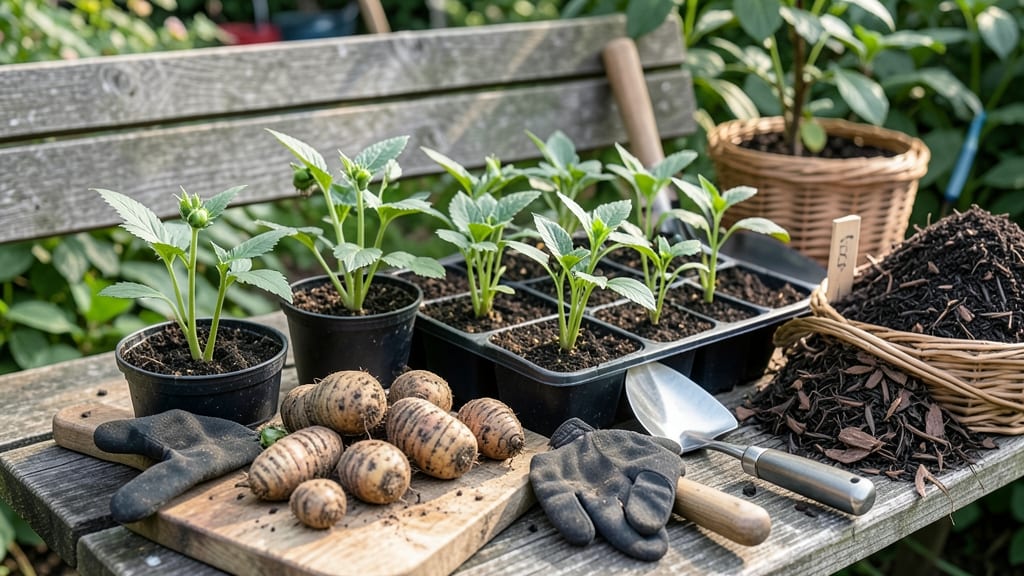
If you're dreaming of show-stopping dahlias 🌼 lighting up your Indiana garden this summer, timing your planting is the secret weapon you can't afford to miss.
Planting too early risks frost damage, while waiting too long might leave you with stunted blooms—neither of which you want when you've got 165 frost-free days to work with in Zone 6a.
Indiana's unpredictable spring weather makes this even trickier, but the good news is that mid-April to early May is your sweet spot—after the last frost and when soil temperatures finally hit that magic 60°F mark.
Whether you're starting with tubers or tender starter plants, getting this right means the difference between floppy stems and bold, vibrant blooms from July through October.
I've seen firsthand how a few weeks can change everything—last year's late-May planting gave me half the blooms of my friends who timed it perfectly.
The key isn't just about dates, though; it's about soil prep, protecting those young plants from Indiana's infamous late frosts, and knowing when to harden off your dahlias for maximum resilience.
Let me walk you through the exact steps to nail your planting window, from soil temperature checks to variety-specific advice that'll have your dahlias thriving when your neighbors are still waiting for theirs to take off. Ready to transform your garden?
Optimal planting dates for dahlias in Indiana’s Zone 6 climate
Indiana’s Zone 6 climate means dahlias thrive when planted after the last frost date, typically between mid-April and early May. However, this window can shift by 2-3 weeks depending on whether you’re in northern Indiana (like Gary) or southern Indiana (like Louisville).
The key is waiting until soil temperatures reach at least 55°F—cold soil slows root growth and invites rot.
I’ve planted dahlias for years in Zone 6a, and I’ve learned that rushing tubers into chilly, wet soil leads to leggy stems and fewer blooms.
The average last frost date for Indiana hovers around April 15, but I always check my local Almanac or Purdue Extension updates for precise dates. For example, Lafayette averages a frost-free date of April 20, while South Bend waits until May 1.
If you’re using potted starter plants (not tubers), you can plant them 2 weeks earlier than tubers, as their roots establish faster. But tubers—those chunky, potato-like roots—need warmer soil to sprout properly. I’ve seen tubers planted in 45°F soil develop blackened, mushy roots within days.
Always test soil temperature with a soil thermometer or wait until you can push a stick into the ground 6 inches deep without resistance.
Here’s a quick rule of thumb: Plant dahlias in Indiana after Memorial Day (late May) if you’re in doubt. This ensures you’ve missed the last frost and soil has warmed, even if it means sacrificing a 1-2 week head start.
The trade-off? Healthier plants with more blooms and stronger stems.
| Region | Avg. Last Frost | Ideal Planting Window | Soil Temp Threshold |
|---|---|---|---|
| Northern Indiana (Gary, South Bend) | May 1 | Early to mid-May | 55°F+ |
| Central Indiana (Indianapolis, Lafayette) | April 20 | Late April to early May | 55°F+ |
| Southern Indiana (Louisville, Evansville) | April 10 | Mid-April to late April | 55°F+ |
For gardeners in northern Indiana, I recommend holding off until May 10 to avoid late frosts. In central Indiana, you can start as early as April 25 if your soil is warm enough.
Meanwhile, southern Indiana gardeners can plant 2 weeks earlier—as early as April 15—thanks to milder springs. Pro tip: Use black plastic mulch to warm soil faster if you’re eager to plant early.
If you’re starting dahlias from tubers, soak them in lukewarm water for 24 hours before planting to jumpstart growth. Then, plant them 4-6 inches deep with the eyes (growth nodes) facing upward.
For starter plants, simply dig a hole twice as wide as the root ball and plant at the same depth as the container. Both methods work, but tubers give you more variety choices and earlier blooms if timed right.
One mistake I see often is planting tubers too shallow, which leads to weak stems and fewer blooms. Dahlias need deep roots to support their heavy flower heads, so bury those tubers!
Another tip: If you’re unsure about your last frost date, use frost cloth to protect young plants until May 15. This gives you flexibility to plant earlier without risking frost damage.
Remember, dahlias are short-season plants in Indiana, with a 120-150 day window from planting to frost. Planting too late means smaller blooms and less time to enjoy your garden’s centerpiece.
Aim for early May as your target, and adjust based on your local microclimate. With the right timing, you’ll have bold, vibrant dahlias from July through October.
Finally, keep an eye on Indiana’s unpredictable weather. A late April frost can wipe out early plantings, while a hot May might dry out soil too quickly. Stay flexible, and don’t hesitate to extend your planting window into early June if needed—especially for late-blooming varieties.
Your dahlias will thank you with show-stopping blooms all season long!
Optimal planting dates for dahlias in Indiana’s Zone 6 climate
Indiana’s Zone 6a climate gives us a narrow but critical window to plant dahlias—typically between mid-April and early May. This aligns with the average last frost date of April 15 across most of the state, but don’t rely solely on dates.
Soil temperature is your true guide: dahlias thrive when soil reaches at least 60°F, signaling it’s safe to plant tubers without frost risk.
Northern Indiana counties like Gary or South Bend often face later last frosts (around April 22), while southern regions like Evansville or Louisville can plant as early as mid-April.
Check your local USDA Plant Hardiness Zone Map for precise adjustments—even a few miles can shift your ideal planting date by a week or more.
🌼 Pro Tip: Use a soil thermometer to confirm readiness. If temperatures dip below 55°F at night, your tubers risk rotting. In my garden, I’ve learned that waiting an extra week for stable warmth saves hours of troubleshooting later.
For container-grown dahlias, you can push the envelope slightly—planting 2-3 weeks earlier in pots gives you flexibility to move them indoors if frost threatens. However, in-ground dahlias need that stable warmth to establish roots quickly.
I’ve seen late-May plantings still produce blooms, but they’re often smaller and leggier due to the shortened growing season.
🌱 Key Takeaway: Indiana’s 165 frost-free days mean every week counts. Plant too late, and you’ll miss peak bloom time. Use this table as your guide, but always double-check with your local Cooperative Extension Service for hyper-local advice—especially if you’re in a microclimate like a river valley or hilltop.
Once you’ve nailed the timing, the next challenge is preparing your dahlias for Indiana’s unpredictable spring weather. We’ll cover that in the next section, including how to harden off tubers and amend clay-heavy soil for optimal growth.