
Plants
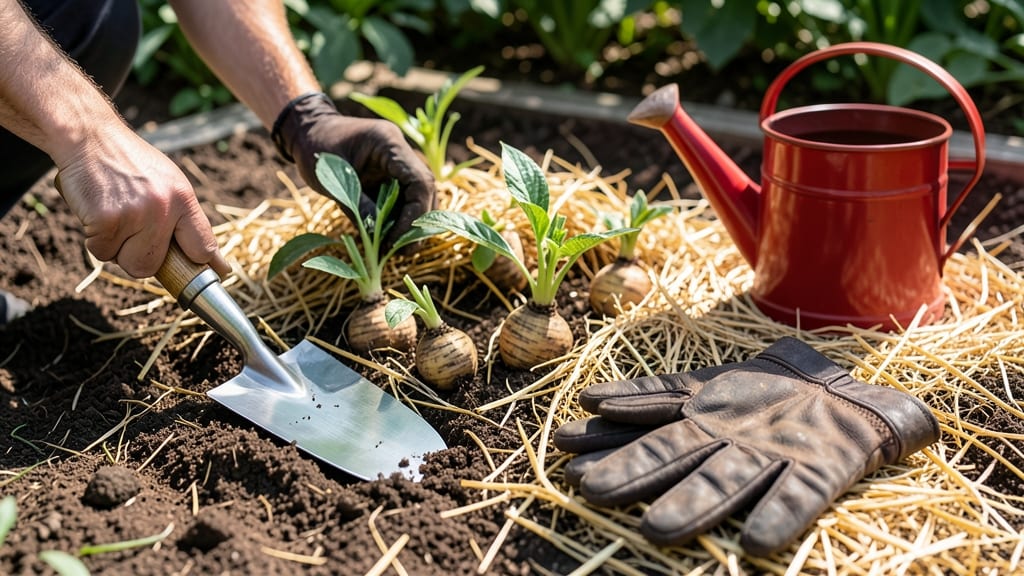
Planting dahlias in Kentucky at the wrong time can turn your 🌸 dream garden into a soggy mess—or worse, lost tubers.
The key isn’t just avoiding frost; it’s waiting for soil to warm to 60°F, which in Zone 6a-7a usually means mid-April to early May after that last frost finally says goodbye.
I’ve seen too many gardeners rush planting because they’re eager for summer blooms, only to watch their tubers rot in cold, damp soil. The good news? Kentucky’s climate gives you a 4-6 week window to get it right—if you know what to watch for.
We’ll break down exactly when to plant, how to prep your soil, and what happens if you’re late.
Whether you’re in Louisville’s urban heat islands or the cooler hills near Lexington, timing matters more than you think. A few extra weeks waiting can mean the difference between stunning dahlias and a garden full of wilted disappointment. Let’s get those tubers in the ground the smart way.
By the end, you’ll know not just when to plant, but how to protect your dahlias from Kentucky’s unpredictable spring weather—so you can enjoy those bold blooms from July through October without the guesswork.
Best planting dates for dahlias in Kentucky’s Zone 5b-6a
Kentucky’s Zone 5b-6a climate means dahlias must wait for the last frost to pass before planting—or risk losing those prized tubers to frost damage. The average last frost date in Kentucky falls around mid-April, but your exact timing depends on elevation and microclimates.
For example, Lexington and Louisville typically see frost-free conditions by April 15-20, while higher elevations like Mountain City may wait until May 1-5. Planting too early can lead to tuber rot, while waiting too long may stunt your blooms.
Dahlias thrive when planted in warm soil, ideally 60°F (15°C) or above. Use a soil thermometer to check—this usually aligns with 4-6 weeks after your last frost date. In Kentucky, that often means late April to early May for most gardeners.
For container-grown dahlias, you can push planting slightly later (up to mid-May) since pots warm faster and offer more flexibility if frost threatens.
Here’s the golden window for Kentucky gardeners: April 25–May 10. This range accounts for late frosts while ensuring tubers have time to establish roots before summer heat arrives.
If you’re in western Kentucky (Zone 6a), you might start as early as April 15, while eastern Kentucky (Zone 5b) gardeners should wait until May 1-5 to be safe.
If you’re unsure about your last frost date, check the National Weather Service or local Cooperative Extension Service for your county. For example, Lexington’s average last frost is April 15, but a 10-year delay could push it to May 1.
To hedge your bets, I recommend hardening off tubers in pots for 2 weeks before planting outdoors—this gives you a 2-week buffer if frost lingers.
Another critical factor is soil temperature. Dahlias won’t thrive in cold soil, which can delay root growth by 3-4 weeks. Use a soil thermometer (available for $10–$15 at garden centers) to confirm your soil is 60°F (15°C) before planting.
If it’s cooler, wait 1-2 weeks—your dahlias will thank you with stronger stems and bigger blooms.
For late bloomers, consider starting tubers indoors in early March under grow lights. This gives you a 4-6 week head start and ensures you’re ready to plant as soon as the soil warms. Just be sure to harden off seedlings for 10 days before transplanting to avoid shock.
Pro tip: Label your tubers with variety names and planting dates—this saves headaches when it’s time to dig them up in fall!
One common mistake Kentucky gardeners make is planting dahlias too deep. The eyes (growth points) should be 2–4 inches below soil level—any deeper, and they won’t sprout. If you’re unsure, plant tubers horizontally with the eyes facing upward and 6 inches deep. This ensures consistent growth
How to prep dahlias for Kentucky’s unpredictable spring weather
Kentucky’s spring weather is famously fickle—one day it’s 60°F and sunny, the next it’s a 32°F surprise frost. Dahlias need consistency to thrive, so prepping tubers properly is your first line of defense.
Start indoors 6-8 weeks before your target planting date (usually late March to early April) to give them a head start.
Choose a well-draining potting mix and plant tubers 2-3 inches deep in containers. Place them in a bright, warm spot (like a sunny windowsill) and keep the soil moist but not soggy. This mimics Kentucky’s spring soil conditions without risking frost damage.
- Weeks 1-2: Place containers in indirect light to avoid shocking tender shoots.
- Weeks 3-4: Move outdoors for 2-3 hours daily, gradually increasing exposure.
- Week 5: Leave tubers outside 24/7 if night temps stay above 40°F.
- Week 6: Plant in garden after last frost (test soil—it should be 60°F+).
Kentucky’s soil pH (5.5-6.5) is usually ideal for dahlias, but amending with compost or aged manure boosts nutrient density. Work in 2-3 inches of compost and a balanced fertilizer (5-10-10) at planting time. This gives your dahlias the energy they need to outpace Kentucky’s slow spring.
If a late frost threatens after planting, act fast. Cover young plants with frost blankets or row covers and remove them as soon as temps rise. For high-elevation areas (e.g., Eastern KY), delay planting until May 1—the risk of frost lingers longer there.
Pro tip: Mark your calendar for May 15, the average last frost date for most of Kentucky. Planting 4-6 weeks after this date ensures tubers have rooted before summer heat sets in. Use a soil thermometer to confirm 60°F+ soil temps—this is non-negotiable for dahlias.
Finally, mulch heavily with straw or shredded leaves to regulate soil temperature and retain moisture. Kentucky’s dry springs can stress young plants, so mulch helps them focus on growth instead of survival. 🌱