
Plants
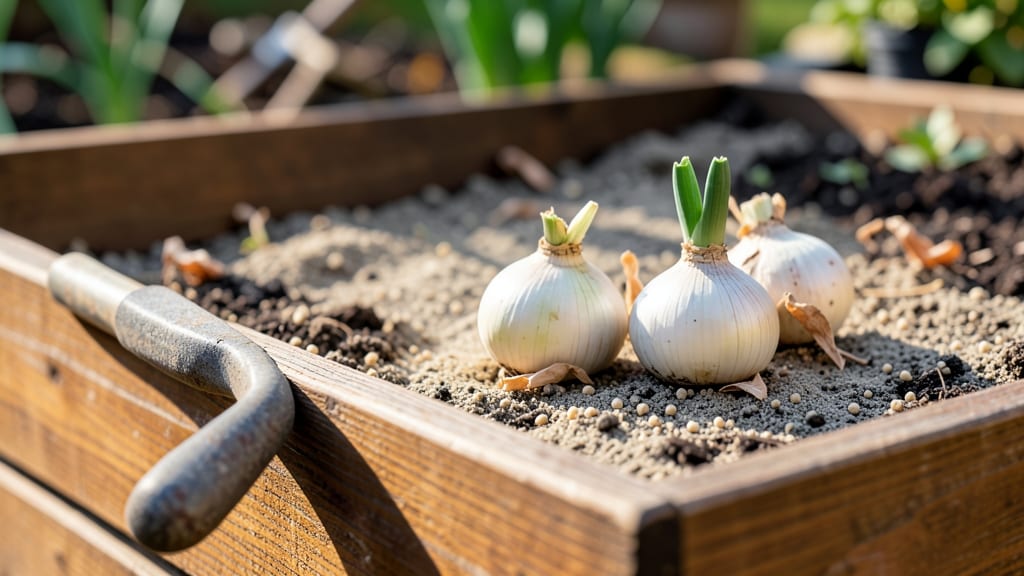
Planting daffodils at the wrong time in California can mean the difference between a stunning spring garden and a wasted investment. With USDA zones 8-11 and microclimates ranging from coastal fog to desert heat, timing is everything for these cheerful 🌼 blooms.
Most gardeners know fall is the ideal window, but California’s regional variations complicate things. Coastal areas like San Francisco thrive with early planting in October-November, while inland valleys and desert regions like Phoenix wait until December-January to avoid winter heat stress.
Whether you're a seasoned gardener or a first-timer, getting this right ensures vibrant blooms from March-May. I’ll break down the best planting months for each microclimate, plus pro tips for urban gardeners using containers.
Ready to transform your yard into a springtime showstopper? Let’s dive into the best ways to plant daffodils for maximum success in your specific corner of California.
California’s ideal daffodil planting months by region (coastal vs. inland vs. desert)
California’s microclimates create unique challenges for daffodil growers. While most gardeners think of fall planting, the best months vary dramatically from coastal fog zones to desert heat belts. Getting this timing right ensures your bulbs establish roots before winter dormancy begins.
Daffodils need 4-6 weeks of cool soil temperatures (60°F or lower) to root properly before the first frost. In USDA Zones 8-11, this translates to planting between October and February, but exact timing shifts based on your local climate patterns and elevation.
Let’s break down the optimal planting windows for California’s five key regions—coastal, inland valleys, desert, mountain foothills, and urban microclimates—so you can plant with confidence and avoid common pitfalls.
Here’s how to match your location to the perfect planting schedule:
If you’re in coastal California, like San Francisco or Santa Barbara, aim to plant between mid-October and mid-November. The cooler ocean breezes and mild winters create an ideal environment for daffodils to establish roots before the first frost hits around December 1.
Use this window to get bulbs in the ground before winter rains arrive.
For inland valleys, such as Sacramento or Fresno, the soil stays warmer longer, so wait until November 1 to December 15. The key is to plant when soil temperatures drop below 60°F—check with a soil thermometer if unsure.
Inland areas experience their first frost around November 15, so timing is critical.
In desert regions, like Palm Springs or Joshua Tree, the winter planting window shifts later due to extreme heat. Plant between mid-December and mid-January when soil temperatures finally cool to 45-50°F.
How to time daffodil planting for maximum bloom success in California gardens
Timing your daffodil planting isn't just about picking a month—it's about reading your local climate like a gardening pro.
In California, the ideal window spans from October through February, but your exact timing depends on whether you're in coastal fog zones, Central Valley heat, or desert microclimates. The golden rule?
Plant when soil temperatures drop below 60°F (15°C)—this triggers bulb dormancy and root growth before winter.
For most gardeners, November is perfect—it gives bulbs time to establish roots before the first frost. But if you're in Southern California deserts, wait until December or even January when nights cool down.
Urban gardeners with containers can push planting into late February, but be ready to move pots indoors if frost threatens.
Soil Temp Check
Use a soil thermometer to confirm temps are below 60°F (15°C)—this is your green light to plant.
Frost Forecast
Aim to plant 4-6 weeks before your area's first frost date—this gives roots time to anchor before winter chill sets in.
Moon Phase Tip
Plant during a waxing moon (just after the new moon) for stronger root development—old gardener's trick that actually works!
Depth Matters
Plant bulbs 6-8 inches deep (twice the bulb's height) in well-draining soil—California's clay-heavy soils need amending with compost.
Don't overlook elevation adjustments—mountain gardeners in the Sierra foothills should plant earlier (late September) to beat early frosts, while coastal gardeners can wait until December when ocean breezes keep soils cooler.
And if you're in urban heat islands, consider shade cloth over newly planted bulbs to protect them from sudden temperature swings.
Pro tip: Mark your planting spots with biodegradable flags so you don't accidentally dig up your daffodils when spring brings new planting projects. Remember, patience is key—daffodils need time to establish roots before they'll reward you with those cheerful blooms next spring.
Once planted, mulch heavily with straw or wood chips to insulate bulbs from winter temperature fluctuations—a must in California's unpredictable climate. And resist the urge to fertilize until you see green shoots in spring!