
Plants
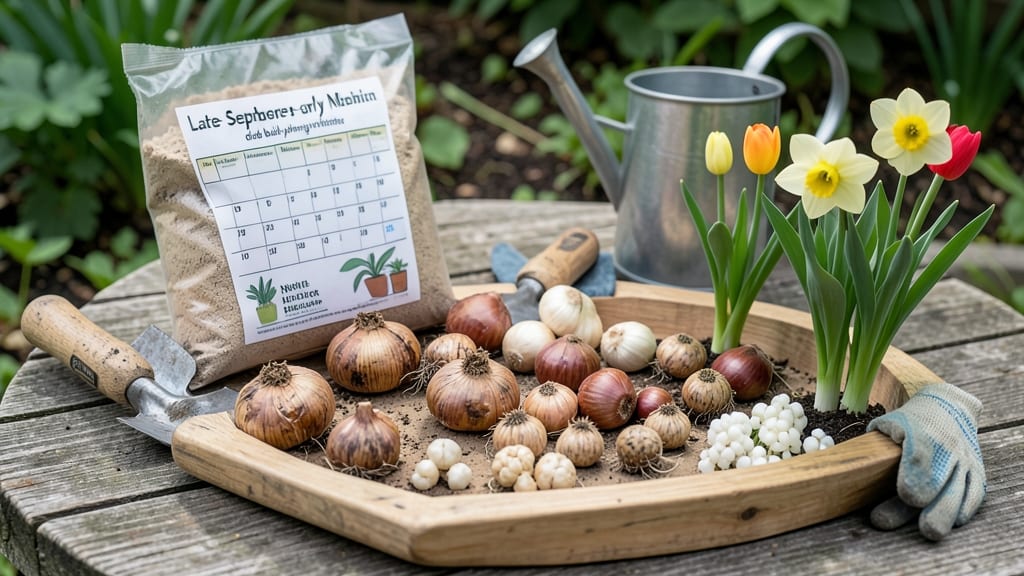
Planting bulbs in Houston at the wrong time can mean the difference between a vibrant spring garden and wasted effort. With our unique Zone 9 climate, timing isn't just important—it's the key to success for 🌱 bulbs (General) that thrive here.
Most gardeners in cooler climates plant in fall, but Houston's mild winters and hot summers demand a different approach. You'll want to focus on late fall (October-November) for spring-blooming varieties, while summer-bloomers like dahlias need early spring action. This guide breaks down exactly when to plant for maximum blooms.
The challenge? Houston's unpredictable weather can throw off even the best-laid plans. We'll cover how to adjust for our clay-heavy soil, protect against sudden freezes, and choose the bulbs that actually flourish in our heat. No more guessing—just proven timing for your Houston garden.
Whether you're a first-time gardener or a seasoned pro, these insights will help you avoid common mistakes and create a show-stopping display. Let's get those bulbs in the ground at the perfect moment for your Zone 9a climate.
Best months to plant spring-blooming bulbs in Houston’s Zone 9 climate
Houston’s Zone 9 climate creates a unique challenge for bulb lovers—plant too early, and bulbs may rot in the heat; too late, and they won’t establish roots before spring. The ideal window is October through November for fall-planted bulbs, giving them 6-8 weeks to root before Houston’s mild winters.
This timing ensures vibrant blooms in March or April when the weather warms.
For spring-planted bulbs like dahlias or cannas, aim for February to avoid the scorching summer heat. These varieties thrive when planted early enough to establish roots before Houston’s 90°F+ temperatures arrive. Always check the last frost date (around January 15) to adjust your schedule.
Here’s the golden rule: Plant bulbs when soil temperatures drop below 60°F but before ground freezes. In Houston, this usually means late October to early November. Miss this window, and you risk bulbs sprouting too early, only to be fried by Houston’s unpredictable heat spikes.
| Bulb Type | Planting Window | Bloom Time | Houston Notes |
|---|---|---|---|
| Tulips | October–November | March–April | Needs cool winter to bloom; mulch heavily. |
| Daffodils | October–November | February–March | Tolerates heat better than tulips; great for Houston. |
| Hyacinths | October–November | March–April | Loves full sun; plant in well-draining soil. |
| Dahlias | February–March | Summer–Fall | Avoid summer heat; plant tubers early. |
| Rain Lilies | Spring–Summer | Summer (after rain) | Native to Houston; drought-tolerant once established. |
If you’re planting summer-blooming bulbs like cannas or gladiolas, wait until February to give them time to root before Houston’s humidity and heat ramp up. These bulbs thrive with 6+ hours of sunlight and well-draining soil, so amend your beds with compost or sand to prevent rot.
Pro tip: Use a moisture meter to check soil conditions. Bulbs need consistent moisture but hate soggy soil. Houston’s clay-heavy soil can trap water, so consider raised beds or containers for better drainage. Add a 2-inch layer of mulch after planting to retain moisture and protect bulbs from temperature swings.
For fall-planted bulbs, don’t rush—wait until soil temps drop below 60°F. Use a thermometer to monitor. If Houston’s weather stays warm, delay planting until late November to avoid early sprouting. This is especially critical for tulips and hyacinths, which need a cool dormancy period to bloom.
Remember, Houston’s unpredictable weather can throw off timing. If a heatwave hits in December, bulbs may sprout too early and get fried. To mitigate this, plant deeper (8 inches for large bulbs) and use lightweight mulch like straw to insulate them.
This extra protection helps bulbs wait out the heat until conditions improve.
Finally, mark your calendar for February if you missed the fall window. Many bulbs, like daffodils and crocuses, can still be planted in early spring for late-winter blooms. Just be prepared to water deeply and protect them from late frosts with frost cloth if needed.
Houston-specific bulb planting tips to avoid common mistakes
Houston’s clay-heavy soil and unpredictable weather can turn bulb planting into a gamble if you don’t adjust your approach. Unlike cooler climates, Houston’s high humidity and occasional freezes demand special care to ensure your bulbs thrive. The key? Prepping soil properly and protecting them from extremes.
First, amend your soil with organic matter like compost or aged manure. Houston’s clay doesn’t drain well, and bulbs rot in soggy conditions. Mix in perlite or sand to improve drainage, especially in low-lying areas where water pools.
A pH test is also wise—most bulbs prefer neutral to slightly acidic soil (6.0-7.0).
- Fungal diseases thrive in damp clay soil—plant bulbs in raised beds if drainage is poor.
- Sudden freezes (even in Zone 9) can damage tender bulbs—mulch with 3-4 inches of straw after planting.
- Overwatering in summer causes bulbs to rot—reduce watering once foliage yellows.
Mulching is non-negotiable in Houston. Apply a 3-inch layer of mulch (straw or pine needles work best) after planting to insulate bulbs from temperature swings. In late fall, add extra mulch to shield bulbs from unexpected freezes, which can happen as late as January.
Remove mulch in early spring to allow soil to warm and encourage sprouting.
Another Houston-specific tip: Plant bulbs deeper than the general rule of 2-3 times their height. The extra depth helps protect them from heat stress and wildlife digging (squirrels and armadillos love tulip bulbs!). For example, plant tulip bulbs 8-10 inches deep in heavy clay to keep them stable.
Finally, avoid planting in full sun without shade cloth, especially for summer-blooming bulbs like dahlias. Houston’s summer heat can scorch foliage before bulbs even bloom. Opt for morning sun with afternoon shade or use 30% shade cloth during peak heat (June-August). This small adjustment can double your bloom success.
With these Houston-specific tweaks, your bulbs will bounce back from our climate’s quirks and reward you with vibrant, long-lasting blooms year after year. The secret? Prep like a pro and adapt to Houston’s moods—not the other way around. 🌱🌡️