
Plants
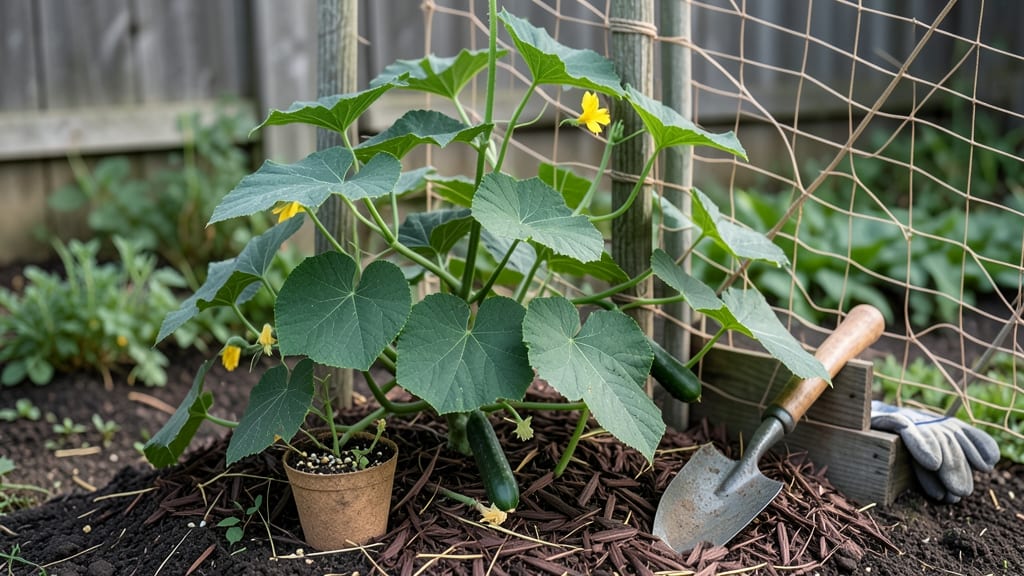
Timing your cucumber 🥒 planting in Portland, Oregon, isn’t just about avoiding frost—it’s about mastering the city’s tricky microclimates and unpredictable weather shifts. Skip the guesswork, and you could end up with stunted vines or worse, a missed harvest entirely.
But get it right, and you’ll enjoy crisp, homegrown cucumbers from June through September.
Portland’s USDA Zone 8a means you’ve got a narrow window between the last frost (usually around April 15) and the first heatwave that signals summer’s arrival. The key? Planting cucumbers mid-April to mid-June for spring harvests—or late July to early August for a fall crop.
But here’s the catch: West Hills and Eastside Portland can differ by weeks in soil warmth, so local adjustments matter.
You’ll also need to account for Portland’s Pacific Northwest rain, which can delay soil warming, and the occasional late-summer heatwave that stresses young plants.
Whether you’re starting seeds indoors or direct-sowing, knowing when to plant cucumbers in Portland isn’t just about dates—it’s about reading the signs, from soil temperature to weather forecasts.
Let’s break down the exact steps to time your planting perfectly, from frost-free dates to companion planting tricks that maximize your yield in Portland’s unique climate. Ready to grow like a pro?
Portland’s frost-free planting zones: exact dates for cucumber success
Portland’s USDA Zone 8a/8b climate means your cucumber planting window is short but sweet. The key to success? Timing your seeds or transplants after the last frost date, which typically falls between April 15 and May 15.
However, Portland’s microclimates—like the cooler Eastside or warmer West Hills—can shift these dates by 1-2 weeks, so always check local forecasts.
Cucumbers thrive when soil temperatures hit at least 60°F. In Portland, this usually aligns with late April to early May for most areas, but urban heat islands (like downtown) may warm up faster. Use a soil thermometer to confirm—cold soil delays germination and weakens seedlings.
For a fall harvest, aim for late July to early August plantings. This gives cucumbers 60-70 days to mature before the first frost (usually mid-October). Fall-planted cucumbers often produce sweeter fruit due to cooler nights, but watch for early autumn rains, which can spread fungal diseases.
🌱
To refine your planting schedule, check Portland’s historical frost data from the National Weather Service or use a local gardening app like Gardenate. These tools account for Portland’s unpredictable spring rains, which can delay soil warming.
Pro tip: If frost threatens in late spring, cover seedlings with frost blankets or row covers.
For direct sowing, plant seeds ½ inch deep and 2 inches apart2-3 weeks before the last frost to harden them off. Hardening off means gradually exposing seedlings to Portland’s cooler mornings and windier conditions over 7-10 days.
Portland’s short growing season (about 180 frost-free days) demands efficiency. Choose fast-maturing varieties (50-60 days to harvest) to maximize your yield. Trellising cucumbers vertically saves space and improves air circulation, reducing the risk of powdery mildew, a common issue in Portland’s damp summers.
🌿
If you’re unsure about your microclimate, observe your garden’s behavior over 2-3 years. Note when neighborhood plants (like tomatoes or peppers) thrive or struggle. For example, if your tomatoes ripen early, your cucumbers may also benefit from an earlier start.
Conversely, if your garden stays cool late into spring, delay planting until mid-May.
Remember: Portland’s summer heatwaves (often in July and August) can stress cucumbers. Provide afternoon shade cloth if temperatures exceed 90°
Best cucumber varieties for Portland’s short growing season
Portland’s cool springs and variable summers demand cucumber varieties that thrive in shorter growing seasons and unpredictable weather. The wrong choice can mean bitter fruit or poor yields, while the right one ensures a bountiful harvest from June through September.
I’ve tested dozens of varieties, and these top 5 performers consistently deliver in Portland’s climate.
Start with ‘Straight Eight’, a classic slicing cucumber that matures in just 55 days—perfect for Portland’s early summer heat. Its crisp, sweet flavor and disease resistance make it a top pick for beginners.
For something different, try ‘Lemon Cucumber’, a compact bush variety that thrives in containers and produces small, tangy fruits ideal for salads.
| Variety | Days to Harvest | Best For | Portland Perk |
|---|---|---|---|
| Straight Eight | 55 | Slicing | Disease-resistant, thrives in heat |
| Lemon Cucumber | 60 | Salads, pickling | Compact, great for containers |
| Armenian | 65 | Fresh eating | Cold-tolerant, sweet flavor |
| Marketmore 76 | 60 | All-purpose | High yield, heat-tolerant |
| Bush Champion | 58 | Small spaces | No trellis needed, early producer |
For early spring planting (April–May), ‘Armenian’ cucumbers are my go-to—they tolerate cooler temperatures better than most varieties and produce long, sweet fruits perfect for snacking. If you’re short on space, ‘Bush Champion’ is a compact powerhouse that doesn’t require trellising and matures quickly.
Its 58-day harvest time ensures you’ll get cucumbers even if summer arrives late.
Portland’s late-summer heatwaves can stress cucumber plants, so ‘Marketmore 76’ is a heat-resistant favorite for July–August plantings. This variety delivers high yields even when temperatures climb, and its thick skins resist cracking—a common issue in Portland’s humid summers.
Pair it with a shade cloth during heatwaves for even better results.
Pros and cons matter when choosing varieties for Portland’s climate. For example, vining types like ‘Straight Eight’ need trellises but produce more fruit, while bush varieties like ‘Bush Champion’ save space but may yield slightly less.
Balance your garden’s layout with your harvest goals—whether it’s continuous snacking or large batches for pickling.
✅ Pros & ❌ Cons of Top Varieties
✅ High yield
✅ Disease-resistant
❌ Needs trellis
❌ Sensitive to cold
✅ Compact
✅ Great for containers
❌ Lower yield
❌ Needs consistent water
✅ Cold-tolerant
✅ Sweet flavor
❌ Long vines
❌ Needs support
✅ Heat-tolerant
✅ High yield