
Plants
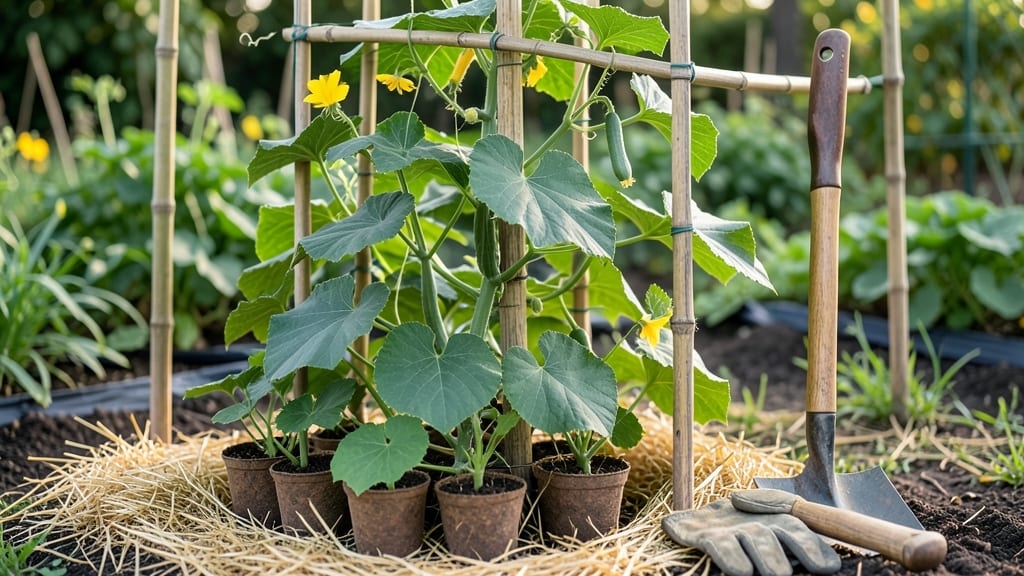
Timing your 🥒 cucumber planting in Chicago isn't just about the calendar—it's about beating frost, warming soil, and giving your plants enough time to thrive before summer's heat sets in.
Get it wrong, and you'll either lose your seedlings to late frosts or watch your harvest fade before the first fall chill arrives.
Here's the game-changer: Chicago's USDA Zone 6a means you've got roughly 165 frost-free days to work with, but those dates shift every year.
I'll show you exactly when to plant—whether you're starting seeds indoors for an early jump or sowing directly after that critical last frost date (usually mid-April to early May).
We'll also tackle Chicago's tricky soil—heavy clay that drains poorly unless you prep it right—and how urban heat islands can create microclimates where your rural neighbors might struggle. Spoiler: Your balcony garden might have a head start on their backyard plot.
Ready to grow cucumbers that actually make it to harvest? Let's break down the perfect planting window, soil secrets, and how to stretch your season so you're enjoying fresh 🥒 cucumbers from June through September—no matter what Chicago throws at you.
Chicago’s ideal cucumber planting dates based on frost risk
Chicago’s USDA Zone 5b/6a climate creates a tight window for planting cucumbers, where last spring frost dates can vary by weeks.
According to 2024 historical data, the average last frost date hovers around April 15, but urban areas like Lincoln Park often warm up 7-10 days earlier than southern suburbs like Markham. Always wait until soil temperatures hit 60°F—a soil thermometer is your best friend here.
For direct sowing, aim for mid-to-late May (after May 15) to avoid late frost surprises.
If you’re starting indoor seedlings, begin them 4-6 weeks before your target outdoor date—typically early April for most Chicago gardeners. First fall frosts usually arrive around October 15, giving you about 165 frost-free days to grow cucumbers.
Chicago’s microclimates play a huge role in timing. Areas near Lake Michigan (like Evanston) benefit from the lake effect, warming up faster in spring. Meanwhile, urban heat islands in Downtown Chicago can delay frost by 1-2 weeks in fall.
Always check your local weather station for real-time updates, as La Niña years can push frost dates earlier.
Here’s how to adjust your planting schedule based on Chicago’s heat zones:
- Zone 5b (northern suburbs): Wait until May 1 for direct sowing
- Zone 6a (city core): Safe to plant April 25 for early varieties
- Zone 6b (south suburbs): Can start April 15 with row covers
| Planting Method | Recommended Date | Notes |
| Direct Sowing (Outdoor) | May 15 - June 1 | Wait for soil at 60°F+ |
| Indoor Seedlings | April 1 - April 15 | Transplant after last frost |
| Row Covers (Early Start) | April 25 - May 10 | Protects from late frost |
| Succession Planting | Every 2 weeks (June - July) | Extends harvest season |
For container gardening in Chicago balconies, use black plastic pots to warm soil faster—plant 1-2 weeks earlier than ground planting. Bush varieties like ‘Bush Champion’ adapt better to containers than vining types. If you’re in Zone 5b, consider cold-hardy varieties like ‘Northern Pickling’, which tolerate cooler soils better than standard ‘Straight Eight’ cucumbers.
Watch for false springs—those 50°F warm-ups in March that trick you into planting early.
Use frost cloth if you must plant early, but remove it during the day to avoid heat stress. Chicago’s wind can also stress young seedlings, so choose sheltered spots or use windbreaks until plants establish roots.
Pro tip: Mark your cucumber planting dates on a garden calendar alongside your tomatoes and peppers, since they share similar heat requirements. This helps you rotate crops properly and avoid soil depletion. In Chicago’s short season, every day counts!
Don’t forget to harden off indoor seedlings before transplanting—acclimate them to Chicago’s wind and sun over 7-10 days. Start by moving them outdoors for 2 hours/day, then gradually increase exposure. This reduces transplant shock and gives your cucumbers a stronger start.
For urban gardeners with limited space, vertical trellises save room and improve air circulation. Install them at planting time to support vining varieties. Chicago’s humidity can lead to powdery mildew, so space plants 12-24 inches apart for better airflow.
Finally, keep an eye on heatwave forecasts—Chicago’s summers can swing from 70°F to 90°F in days. If temperatures hit 90°F+, cucumbers may stop producing. Use shade cloth during peak heat to protect plants while maintaining 6+ hours of sunlight.
Soil preparation and pre-planting tips for Chicago gardens
Chicago’s clay-heavy soil and urban heat islands create unique challenges for cucumber growers. Before planting, I always test my soil’s pH level—aim for 6.0 to 6.8, which cucumbers love. If your soil is too alkaline, mix in composted manure or peat moss to adjust it naturally.
For urban balconies or raised beds, I recommend using a 50/50 mix of garden soil and high-quality potting mix. This improves drainage while retaining moisture, which is critical for cucumbers. Add a 2-inch layer of mulch after planting to lock in moisture and suppress weeds.
If you’re growing in containers, choose pots at least 12 inches deep with drainage holes. I swear by self-watering planters for busy gardeners—they help maintain consistent moisture, which cucumbers crave.
For in-ground planting, space seeds 2-3 feet apart in rows 3-4 feet apart to allow airflow and reduce disease risk.
One pro tip I’ve learned: Warm the soil before planting by covering it with black plastic for 1-2 weeks. This speeds up germination and gives cucumbers a head start in Chicago’s cool springs. Just remove the plastic 24 hours before planting to avoid shocking the roots.
Finally, consider adding a slow-release fertilizer like 10-10-10 at planting time. This gives your cucumbers a steady nutrient supply without the risk of over-fertilizing. For organic gardeners, fish emulsion or compost tea works wonders too.
With the right soil prep, your cucumbers will have the perfect foundation to thrive—even in Chicago’s unpredictable climate. Happy planting! 🌱