
Plants
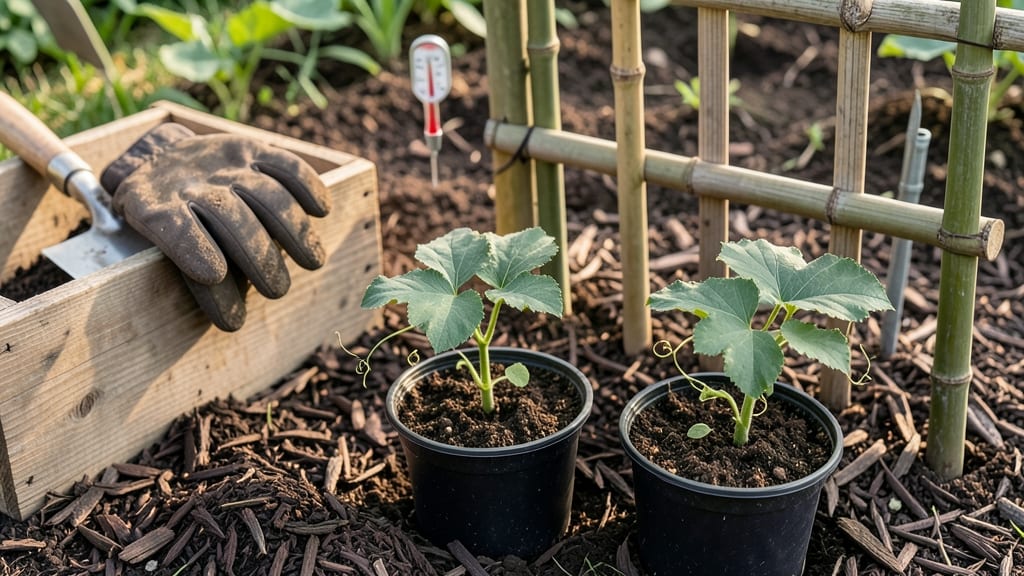
Knowing when to plant cucumbers in North Carolina can mean the difference between a bountiful harvest and wasted effort. With the state’s diverse climate zones—from the cooler mountains to the humid coast—timing matters more than you might think.
A single late frost or early heatwave can ruin your entire crop, but get it right, and you’ll enjoy crisp, homegrown 🥒 straight from your garden all summer long.
Most NC gardeners swear by planting cucumbers after the last frost date, usually between mid-April and early June for spring plantings. But here’s the catch: soil temperature plays a bigger role than just air temperature.
Cucumbers need warm soil—at least 60°F—to germinate properly, which means waiting until late April or early May in most zones. If you’re in the Piedmont or Coastal Plain, you might even start as early as mid-March in protected beds.
For those who love a continuous supply, summer planting is a game-changer. Sow seeds again in mid-July to early August for a second harvest before fall’s chill sets in.
This strategy works especially well in zones 7a-8b, where the growing season stretches longer. The key? Succession planting and choosing the right varieties for your region’s heat tolerance.
Ready to avoid common mistakes like planting too soon or skipping soil prep? I’ll walk you through the exact dates, tools, and tricks to ensure your cucumbers thrive—no matter where you garden in North Carolina. Let’s get those seeds in the ground at the perfect moment!
North Carolina’s frost-free zones: best planting dates by county
North Carolina spans USDA Hardiness Zones 6a through 8b, meaning frost dates vary dramatically from the mountains to the coast. In Zone 6a (like Asheville), last frost typically hits April 15, while Zone 8b (e.g., Wilmington) sees frost-free conditions by late February.
These differences mean your planting window could be a full month earlier in coastal areas than in the Piedmont.
For spring cucumbers, aim to plant 2-3 weeks after your last frost date—once soil hits 60°F+. In Zone 7a (Raleigh, Charlotte), that’s around March 20-30, while Zone 8a (Greenville, Fayetteville) can start as early as March 1.
Summer plantings should begin by mid-July to ensure harvests before fall frosts.
📌 Key Tip: Use black plastic mulch to warm soil faster in cooler zones (like Zone 6a), letting you plant 1-2 weeks earlier without risking frost damage.
| Region | USDA Zone | Last Frost | Best Planting Window |
|---|---|---|---|
| Mountains (Asheville, Boone) | 6a | April 15 | May 1 - June 1 |
| Piedmont (Raleigh, Greensboro) | 7a | March 20 | April 1 - May 15 |
| Coastal Plain (Wilmington, Fayetteville) | 8a | March 1 | March 15 - April 30 |
| Outer Banks (Manteo, Nags Head) | 8b | February 28 | March 1 - April 15 |
🌱 Pro Tip: Coastal areas can plant 3-4 weeks earlier than mountain zones!
If you’re in Zone 7a or 8a, consider succession planting every 2 weeks from April through June to stretch your harvest.
For example, Raleigh gardeners can plant a batch on April 1, another on April 15, and a final one by May 1 for continuous cucumbers through October.
For summer plantings, focus on heat-tolerant varieties like ‘Straight Eight’ or ‘Southern Sweet’. These thrive when planted July 15-August 15, giving you 8-10 weeks of harvest before fall frosts. In Zone 6a, opt for bush varieties (like ‘Bush Champion’) to mature faster in shorter seasons.
Always check your local extension office for microclimate quirks—some valleys in the mountains stay frost-prone longer, while urban heat islands (like Charlotte) may warm up faster. A soil thermometer ($10 at garden centers) is your best friend for confirming 60°F+ soil temps before planting.
🌿 Remember: Cucumbers are 90% water—planting too early in cold soil leads to rot or poor germination. Wait for consistent warmth to avoid these pitfalls.
How to adjust planting for early vs. late varieties
North Carolina’s diverse climate lets you grow cucumbers in both spring and summer, but choosing the right variety and timing is key. Heat-tolerant varieties like ‘Straight Eight’ thrive in July-August plantings, while cool-season types such as ‘Marketmore’ do best in April-May.
Soil temperature must reach at least 60°F—use a soil thermometer to confirm readiness.
For spring plantings, start seeds indoors 4-6 weeks before your last frost date (e.g., mid-February for Zone 8b). Transplant seedlings outdoors after May 1 in most regions. Summer varieties can go straight into the ground after June 15, when daytime temps stay above 75°F.
Black plastic mulch warms soil faster, giving you a 2-3 week head start on the season.
🌱
If you’re in Zone 7a or warmer, consider succession planting: sow a second batch of seeds 6-8 weeks after your first planting to ensure a continuous harvest through October. For example, plant ‘Diva’ cucumbers in early May and ‘Sweet Success’ in mid-July for back-to-back yields.
Always check seed packets for days to maturity—55-70 days is typical for slicing cucumbers, while pickling varieties mature faster (45-55 days). In hotter regions like the Coastal Plain, prioritize shade-tolerant varieties to prevent sunscald on fruits.
Row covers can also shield young plants from cucumber beetles during early growth.
🌿