
Plants
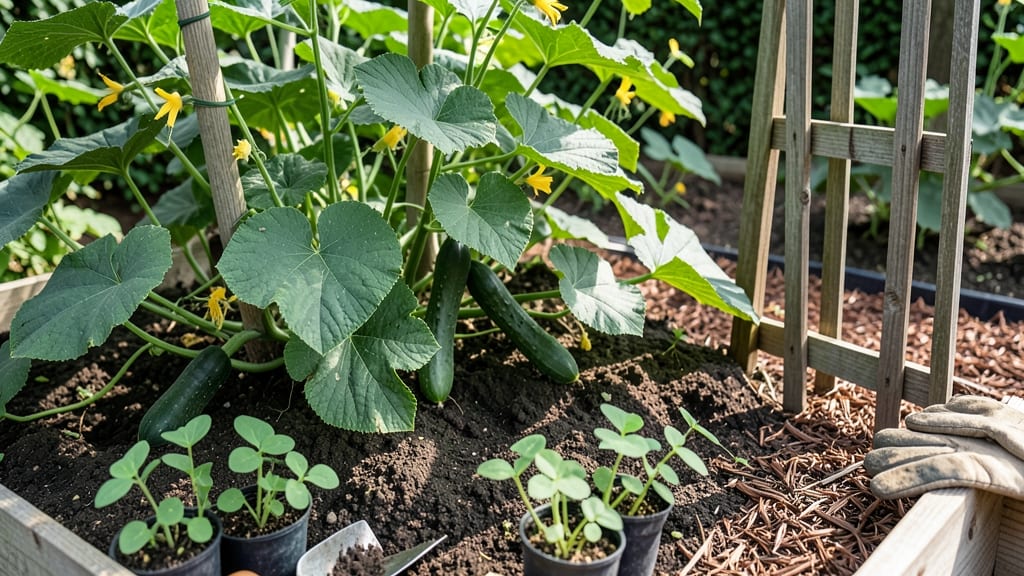
Timing your 🥒 cucumber planting in Houston can mean the difference between a thriving garden and a sad, wilted experiment. With 9a zone heat that arrives early and lingers late, knowing the precise windows to plant is the key to avoiding bolted vines or heat-stressed seedlings.
Most gardeners in Houston swear by two planting seasons: the cooler months of February-March for spring harvests, and late summer's August-September push for fall cucumbers. But here's the catch - Houston's microclimates mean your neighbor's perfect timing might not work for your yard.
I've grown cucumbers here for years, and I'll show you exactly when to start seeds indoors, when to transplant, and how to beat Houston's biggest cucumber killers: the May heat spike and September humidity that invites pests.
By the end, you'll know not just when to plant, but how to prepare your soil, choose the right varieties, and give your cucumbers the fighting chance they need to thrive in Houston's challenging climate. Let's get those seeds in the ground at the perfect moment.
Houston’s ideal cucumber planting months: avoiding heat stress and frost
Houston’s USDA Zone 9a climate gives you two prime windows to plant cucumbers: late winter/early spring and late summer. Timing is critical—plant too early, and your cucumbers will bolt from the heat; too late, and you’ll miss the 60-70 day harvest window before summer’s intensity peaks.
For spring planting, aim for mid-February to early March when soil temperatures hit 60°F+. This gives your vines time to mature before Houston’s infamous May heat spike, where temperatures can soar to 95°F+ within weeks.
Fall planting should occur mid-August to early September to harvest before the first frost (mid-December).
Houston’s urban vs. suburban microclimates also play a role. Urban areas (like downtown) can be 5-10°F warmer than suburbs, delaying spring planting by 1-2 weeks. Always check your local last frost date—Houston’s average is January 15, but urban pockets may experience frost 10-14 days later.
Soil temperature is your best guide, not just calendar dates. Use a soil thermometer to confirm 60°F+ before planting. Cold soil (50°F or below) slows germination and invites fungal diseases like damping-off. In Zone 9a, this typically aligns with late February for spring and early September for fall.
Here’s how Houston’s seasonal quirks affect your schedule:
- March-April: Unpredictable rains can waterlog soil—raise beds or use containers if your garden sits low.
- May-June: The ‘June Heat Wave’ (consistent 90°F+ days) stunts growth; use shade cloth (30-50%) to protect young plants.
- September: Humidity spikes increase powdery mildew risk—opt for resistant varieties like ‘Straight Eight’.
| Planting Window | Ideal Months | Soil Temp | Key Considerations |
|---|---|---|---|
| Spring | Mid-February to Early March | 60°F+ | Avoid May heat; use trellises for vines |
| Fall | Mid-August to Early September | 65°F+ | Harvest before September rains; mulch heavily |
| Urban Adjustments | 1-2 weeks later | N/A | Warmer microclimates delay frost; plant closer to March/August |
If you’re direct-sowing (planting seeds outdoors), start in early March for spring or late August for fall. For transplants, buy heat-tolerant seedlings from local nurseries in late February (spring) or early September (fall). Harden off seedlings for 7-10 days before transplanting to avoid shock from Houston’s humidity swings.
Pro tip: Succession plant every 2 weeks in spring/fall to stagger harvests. For example, plant March 1, March 15, and March 30 to enjoy cucumbers from April through June. This also extends your fall window—try August 15, August 30, and September 10 for harvests into November.
Watch for Houston-specific challenges like squash vine borers (active in July-August) or aphid outbreaks after heavy rains. Use row covers for young plants or apply neem oil preventatively.
Container gardening is another smart option—it lets you move plants to shadier spots during peak heat (e.g., 12-3 PM when temps exceed 95°F).
Remember: Cucumbers hate cold. Even in Zone 9a, a 28°F night (rare but possible in December) can kill vines. If you’re tempted to plant in January, stick to containers near a heat source (like a south-facing wall) and use row covers at night.
Best heat-resistant cucumber varieties for Houston gardens
Houston’s brutal summer heat can turn tender cucumber seedlings into crispy snacks if you’re not careful. The secret to success? Choosing heat-resistant varieties that thrive in 90°F+ temperatures while resisting common Houston pests like cucumber beetles and powdery mildew.
I’ve grown these top performers in my own garden, and they consistently deliver sweet, crisp cucumbers even when the mercury soars.
For Houston gardens, bush varieties save space and vining types maximize yield—but both need the right heat tolerance. The varieties below handle Houston’s climate like pros, with some even tolerating humidity that fuels fungal diseases. Let’s dive into the best options for your garden.
🌱 Houston’s Top Cucumber Varieties
| Variety | Type | Heat Tolerance | Disease Resistance | Yield |
|---|---|---|---|---|
| Straight Eight | Vining | Excellent | Powdery Mildew, Cucumber Beetles | High (8-10 cucumbers per vine) |
| Lemon Cucumber | Bush | Very High | Powdery Mildew, Viral Diseases | Moderate (4-6 cucumbers per plant) |
| Armenian Cucumber | Vining | High | Cucumber Beetles, Downy Mildew | Very High (10+ cucumbers per vine) |
| Bush Champion | Bush | Good | Powdery Mildew, Scab | Moderate (5-7 cucumbers per plant) |
| Sweet Success | Vining | Excellent | Cucumber Beetles, Viral Diseases | High (7-9 cucumbers per vine) |
💡 Pro Tip: For small urban gardens, choose bush varieties like Lemon Cucumber or Bush Champion. They take up less space but still produce abundantly in Houston’s heat.
If you’re short on space, bush varieties like Lemon Cucumber or Bush Champion are game-changers. They grow 1-3 feet tall, making them perfect for containers or small plots. My neighbor swore by Bush Champion last summer—she harvested 5-7 cucumbers per plant without needing a trellis.
For bigger gardens, vining types like Straight Eight or Armenian Cucumber climb 6-10 feet, producing twice the yield if you provide a sturdy trellis.
One variety I highly recommend for Houston’s heat is Armenian Cucumber. It’s drought-tolerant once established and resists cucumber beetles, which are relentless here. Plus, its long, slender fruits stay crisp even in the heat.
I’ve seen mine thrive in 100°F+ temperatures with minimal fuss—just consistent watering and shade cloth during peak afternoons.
For fall planting (August-September), Sweet Success is my go-to. It handles early heat stress better than most and keeps producing until first frost. Last fall, I extended my harvest by 3 weeks by using black plastic mulch to warm the soil and drip irrigation to keep roots cool.
The results? Crisp, sweet cucumbers well into October.
No matter which variety you choose, start with healthy seedlings from a local nursery. Avoid weak or leggy plants—they’ll struggle to recover in Houston’s heat. And always harden off your seedlings for 5-7 days before transplanting to prevent shock.