
Plants
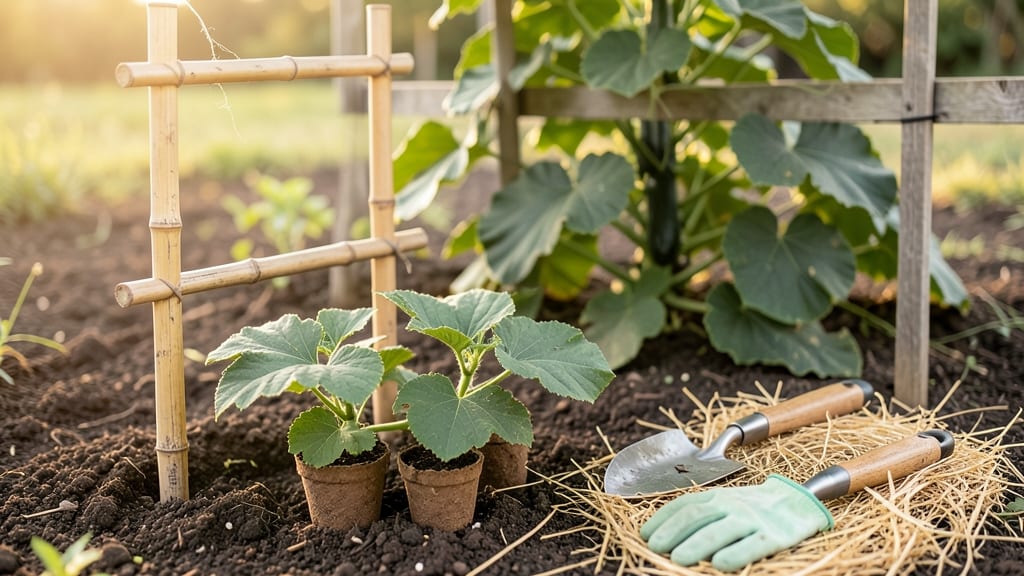
Knowing when to plant cucumbers in Zone 9b can mean the difference between a bountiful harvest and struggling vines in the relentless desert sun. This isn't just about throwing seeds into the ground—it's about timing soil warmth, humidity shifts, and avoiding pests that thrive in this climate.
I've grown 🥒 cucumbers in Phoenix for years, and the key is planting when soil hits 60-70°F—not when the air feels warm. That usually means late winter to early spring (February-March) or fall (September-October), but there's more to it than just dates.
Let me show you exactly how to sync your planting with nature's rhythm.
You'll discover why succession planting every 2-3 weeks works wonders in Zone 9b, how to protect seedlings from sudden heat spikes, and which varieties actually thrive here. No more guessing—just proven strategies for consistent harvests from April-June or November-December.
Whether you're in Southern California's coastal heat or Florida's humidity, these tips will help you beat the odds. Ready to grow cucumbers that actually produce? Let's get started.

Optimal cucumber planting weeks in Zone 9B: soil temp & heat tolerance guide
In Zone 9B, cucumbers thrive when planted during two key windows: late winter/early spring and fall. The ideal soil temperature for germination is 60-70°F, so timing aligns with soil warming trends after winter chill.
For spring, aim for mid-February to early March—just as daytime highs creep toward 75°F—while fall plantings should start late August to early September to avoid summer’s peak heat.
Why these windows? Cucumbers are heat-loving but frost-sensitive. Planting too early risks seed rot from cool, damp soil, while late starts miss the optimal 60-75°F growing range. Zone 9B’s minimal frost risk means we focus on soil warmth and humidity balance—not frost dates.
For example, Phoenix gardeners often start seeds indoors 2-3 weeks before outdoor planting to beat the April heat surge.
Here’s the golden rule: Wait until soil temps hit 60°F (use a soil thermometer!) and air temps stabilize above 70°F. In Southern California deserts, this typically means late February for spring and early September for fall.
In Florida’s humid zones, you can plant 1-2 weeks earlier due to faster soil warming.
For direct sowing (planting seeds outdoors), wait until nighttime temps stay above 55°F. If you’re transplanting seedlings, harden them off for 7-10 days before setting them out.
I’ve found that bush varieties like 'Bush Champion' handle Zone 9B heat better than vining types, which need afternoon shade during summer’s peak.
Pro tip: Use a soil thermometer to monitor temps—below 60°F delays germination, while above 85°F stresses seedlings. In Phoenix, I’ve seen seeds take 10+ days to sprout if planted too early in February. For fall plantings, aim to have cucumbers harvested before October’s heat spikes.
Heat-resistant varieties like 'Armenian' or 'Lemon' cucumbers thrive in Zone 9B’s summer heat if given drip irrigation and mulch. Avoid 'Straight Eight' for summer—it’s better suited to fall plantings when temps drop slightly. Always trellis vining types to improve airflow and reduce disease risk.
Remember: Succession planting every 2-3 weeks after your initial window extends harvests. For example, my first spring planting in early March yields cucumbers by mid-April, while a second planting in late March harvests through June. This double harvest strategy maximizes your Zone 9B growing season.
If you’re in coastal Zone 9B (like San Diego), you can push spring plantings to late January thanks to milder nights. Inland areas like Phoenix should wait until mid-February to avoid soil-borne diseases from lingering winter moisture.
Always test your soil’s pH (aim for 6.0-6.8) and amend with compost before planting.
Final tip: Shade cloth (30-50%) helps seedlings in early spring/fall when temps fluctuate. I’ve seen 30% more germination with shade cloth during March’s unpredictable heat spikes. Pair this with drip irrigation to keep soil consistently moist—
Optimal cucumber planting weeks in Zone 9B: soil temp & heat tolerance guide
Zone 9B’s mild winters and intense summers create a unique challenge for cucumber growers. Unlike cooler climates, you can’t just plant in spring—timing must align with soil warmth (60-70°F) and heat tolerance.
Miss the window, and your plants either wilt in early heat or bolt before producing fruit. Here’s how to nail it.
Your primary planting window spans late February to early April, but success hinges on two critical factors: soil temperature and heat-resistant varieties. Wait until soil reaches 60°F at 2 inches deep—cold soil stunts roots, while rushing seedlings risks heat stress. Use a soil thermometer to avoid guesswork.
| Stage | Action | Notes |
|---|---|---|
| Soil Prep | Test pH (6.0-6.8), add compost | Use black plastic mulch to warm soil faster |
| Planting | Direct sow or transplant after last frost | Space 12-24" apart; trellis vines |
| Heat Protection | Use shade cloth (30-50%) for seedlings | Remove after 2 weeks if temps stay <90°F |
| Harvest | Pick every 2-3 days starting at 55 days | Stop harvesting if temps exceed 95°F |
For fall plantings, aim for late August to early September—this lets cucumbers mature before summer’s peak heat. Choose heat-tolerant varieties like ‘Straight Eight’ or ‘Armenian’; they handle 90°F+ days better than standard types.
Avoid planting after June 15, as daytime temps often exceed 100°F, causing cucumbers to turn bitter or fail to set fruit.
Direct sowing beats transplants in Zone 9B because seedlings adapt faster to local conditions. If starting indoors, harden off plants for 7-10 days before transplanting. Bury stems 1-2 inches deep to encourage root growth—this is especially critical in sandy soils (common in desert Zone 9B areas like Phoenix).
Pro tip: Mulch immediately after planting with straw or grass clippings to retain moisture and regulate soil temp. In dry heat, mulch reduces water loss by 30-50%, keeping roots cool. Pair this with drip irrigation set to water early morning—this avoids fungal issues from evening moisture.
Watch for heat stress signs like yellowing leaves or wilting by noon. If this happens, provide afternoon shade with a lightweight shade cloth (30% shade) until temps drop. With the right timing and care, your Zone 9B cucumbers can thrive year-round—just avoid the June-August heat trap! 🌱