
Plants
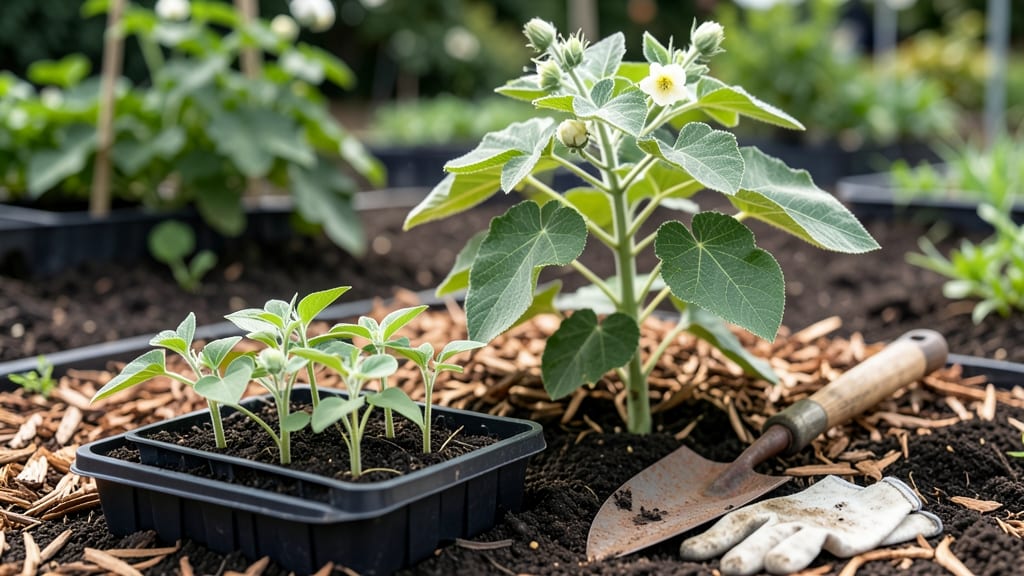
Timing your cotton planting in North Carolina can make the difference between a thriving crop and a lost harvest—especially when you're working with Zone 7a-8b where frost dates shift dramatically from the mountains to the coast.
The right window isn't just about avoiding late frosts; it's about giving your 🧵 cotton plants the warm soil and long growing season they need to reach maturity before fall sets in.
Most NC gardeners know cotton thrives in spring, but the exact moment to plant depends on where you live. In the Piedmont, you might be ready by early April, while coastal gardeners can wait until late April or even early May.
The key is waiting until the soil warms to atstrong>65°F—cold soil slows germination, and you don’t want your plants struggling to establish before summer heat arrives.
What happens if you plant too early? Your cotton could bolt too quickly, producing small bolls before they mature. Plant too late, and you risk stunted growth with no time to harvest before frost.
I’ll walk you through the exact frost-free deadlines for your zone, plus how to adjust for microclimates and even extend your season with simple tricks.
Whether you're a first-time cotton grower or a seasoned gardener, these insights will help you time your planting perfectly. Let’s break down the best strategies so you can enjoy a bountiful harvest of fluffy 🧵 cotton come fall.
NC cotton planting deadlines by Zone 7a-8b: exact frost-free dates
North Carolina’s cotton growers must time plantings perfectly to avoid frost damage and ensure boll development. In Zone 7a (e.g., Asheville, Boone), the last spring frost typically occurs around April 15, while Zone 8b (e.g., Raleigh, Wilmington) sees frost-free conditions by March 15.
These dates mark the start of your 180-240 frost-free days window—critical for cotton’s 120-150 day growth cycle.
For direct-sown seeds, wait until soil temperatures reach 65–70°F (use a soil thermometer to confirm). In Zone 7a, this usually aligns with late April to early May, while Zone 8b gardeners can plant as early as mid-March.
Transplants, if available, can go in 2-3 weeks earlier than direct sowing to jumpstart growth.
🌱
| Zone & Region | Last Frost Date | Ideal Planting Window | Soil Temp Threshold | Harvest Window |
|---|---|---|---|---|
| Zone 7a (Mountains: Asheville, Boone) | April 15 | Late April–early May | 65–70°F | Late Sept–early Oct |
| Zone 7a (Piedmont: Greensboro, Winston-Salem) | April 1 | Early April–mid-April | 65–70°F | Mid-Sept–late Sept |
| Zone 8b (Coastal Plain: Raleigh, Wilmington) | March 15 | Mid-March–early April | 60–65°F | Early Sept–mid-Sept |
Note: Adjust 1–2 weeks earlier for transplants or later for high-elevation microclimates.
Microclimates play a huge role in NC. Coastal areas like Wilmington can plant 2 weeks earlier than inland Piedmont regions, while mountain valleys (e.g., Blowing Rock) may need to delay until mid-May. Use local Almanac frost data or ask your Cooperative Extension office for hyper-local insights.
Pro tip: If you’re in a Zone 7a area with late frosts, opt for early-maturing varieties like ‘Deltapine 15’ (120 days) to squeeze in a harvest before first frost (typically October 15–November 15).
In Zone 8b, you can push to late May plantings for a second crop if you’re willing to gamble on hurricane season delays.
🌡️
Soil temperature is non-negotiable for cotton. Test it with a soil thermometer at 4-inch depth—cotton seeds won’t germinate below 60°F. In Zone 7a, black plastic mulch can warm soil 5–10°F faster than bare earth, letting you plant 1–2 weeks earlier.
For Zone 8b, if soil stays cool, consider a low tunnel to create a microclimate.
Miss the window? Don’t panic. While cotton thrives with 180 frost-free days, you can still plant up to June 1 in Zone 8b for a smaller harvest.
Just be prepared to protect plants with row covers if early fall frosts threaten. In Zone 7a, avoid planting after May 15—bolls won’t mature before frost.
📅
5 Critical factors that determine your cotton planting window in NC
Planting cotton in North Carolina isn’t just about avoiding frost—it’s about aligning your schedule with 5 key factors that dictate success. The first is soil temperature, which must reach 65–70°F for germination.
Cold soil delays sprouting, leaving plants vulnerable to late frosts. I always check soil temps with a soil thermometer before planting, especially in Zone 7a where nights can still dip.
Next, consider your last frost date, which varies wildly across NC. In the mountains (Zone 7a), you might see frost as late as April 15, while coastal areas (Zone 8b) typically hit April 1.
Planting too early in cooler zones risks frost damage, but waiting too long cuts your 120–180-day growing window short.
Don’t overlook elevation impacts. A garden at 2,000 feet in the Piedmont will frost later than one at sea level. I’ve seen 3–4 week differences in frost dates just 50 miles apart. Use local Cooperative Extension Service data or online frost maps to pinpoint your exact risk zone.
- 1. Soil Temperature: Wait until 65–70°F (use a thermometer). Cold soil = slow germination.
- 2. Last Frost Date: Zone 7a (April 15) vs. Zone 8b (April 1). Plant 2 weeks after last frost.
- 3. Elevation: Higher = later frost. Check local data; differences can be 3+ weeks.
- 4. Rainfall Patterns: Too much rain = fungal risk. Aim for 1–1.5" water/week in dry spells.
- 5. Pest Pressure: Early planting = more aphids. Late planting = bollworms. Balance timing!
Rainfall patterns also play a role. Cotton hates soggy soil, which invites root rot and fungal diseases. If your area gets heavy spring rains, consider raised beds or well-draining soil mixes to prevent waterlogging.
I’ve had to adjust planting dates in western NC due to unpredictable downpours that turned my garden into a swamp.
Finally, pest pressure shifts with timing. Early plantings attract aphids and whiteflies, while late plantings face bollworms and spider mites. I’ve found that planting in mid-April (after last frost but before peak pest activity) gives my cotton a 3-week head start before pests become a major threat.
Balancing these factors means your cotton will have the best shot at mature bolls before fall. Start with soil temps, then adjust for frost, elevation, rain, and pests—your harvest depends on it! 🌿