
Plants
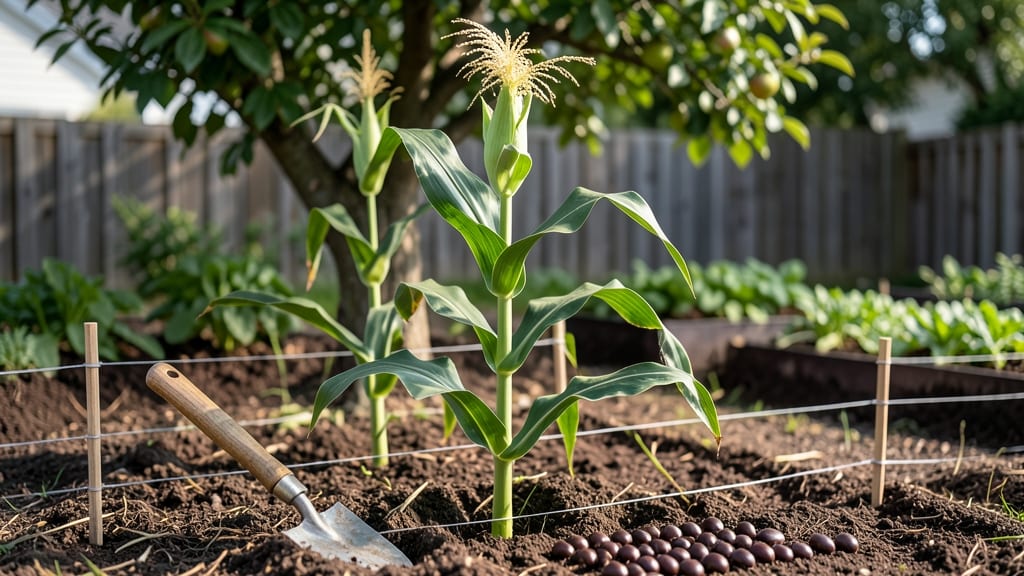
Timing your corn planting in Virginia isn’t just about the calendar—it’s about avoiding frost damage and ensuring your 🌽 reaches peak sweetness. The mid-April to early June window isn’t one-size-fits-all, especially when you’re juggling USDA zones 6a to 8a, from the mountains to the coast.
Plant too early in SW Virginia’s 6a zone, and your crop might bolt before harvest. Too late in Tidewater’s 8a zone, and you risk stunted ears from heat stress.
I’ll break down the exact frost-free planting dates for each region, so you can align your variety—whether it’s sweet, field, or popcorn—with Virginia’s unpredictable spring weather.
Beyond dates, soil temperature and microclimates play a huge role. We’ll cover how to prep your beds for optimal germination, adjust for urban heat islands, and troubleshoot common pitfalls like poor pollination or blight. Ready to grow corn that rivals your favorite farm stand?
Let’s dive into the step-by-step guide that’ll have you harvesting plump, juicy ears from late July to October, no matter where you garden in the Commonwealth.
Virginia heat zones and ideal corn planting dates by region
Virginia’s USDA heat zones range from 5A in the mountains to 8A along the coast, creating dramatic differences in frost dates and growing seasons. In Zone 5A (e.g., Southwest Virginia), corn can’t tolerate late frosts, while Zone 8A (e.g., Tidewater) enjoys a 220-day frost-free season.
Your planting window depends entirely on where you live—get it wrong, and you’ll face stunted growth or blight.
For sweet corn, the ideal planting window is 2-3 weeks after your last frost date. This ensures soil temperatures stay above 60°F, which corn seeds need to germinate.
In Zone 6A (Richmond area), that’s typically mid-April, while Zone 7B waits until early May. Coastal gardeners in Zone 8A can start as early as late March.
Here’s how to match your region to the perfect planting window:
| USDA Zone | Region | Last Frost Date | Ideal Planting Window | Harvest Window |
|---|---|---|---|---|
| 5A-6A | Southwest VA (e.g., Bristol, Roanoke) | March 15–April 1 | Mid-April to early May | Late July–early October |
| 6B-7A | Piedmont (e.g., Charlottesville, Lynchburg) | March 30–April 15 | Late April to mid-May | Early August–mid-October |
| 7B-8A | Central/Eastern VA (e.g., Richmond, Norfolk) | April 1–April 15 | Early April to early June | Mid-July–November 1 |
| 8A | Coastal VA (e.g., Virginia Beach, Hampton) | March 15–April 1 | Late March to mid-May | Late June–December 1 |
🌽 Note: Adjust for early (60-day) or late (100-day) varieties.
If you’re growing field corn or popcorn, extend your planting window by 2-3 weeks—these varieties tolerate cooler soils better. However, they still need full sun and warmth to pollinate. For example, in Zone 6A, plant field corn by late April to avoid frost damage during tasseling.
Pro tip: Use a soil thermometer to confirm 60°F+ soil temps before planting. Cold soil delays germination, and corn seeds won’t sprout below 55°F. In higher elevations (e.g., Zone 5A), wait until May 1 to be safe.
For successive plantings, stagger seeds every 2 weeks to ensure a continuous harvest. In Zone 8A, you can even plant a fall crop in late July for a Thanksgiving harvest. Just choose short-season varieties like ‘Early Sunglow’ (65 days) to avoid frost.
Remember: Corn is wind-pollinated, so plant at least 4 rows (or a 10’x10’ block) to ensure good pollination. In urban gardens with limited space, try bush corn varieties like ‘Golden Bantam,’ which grows just 5 feet tall but still produces ears.
One last tip: Black plastic mulch warms soil faster and can push your planting window 1-2 weeks earlier in cooler zones. Just remove it once soil temps stabilize above 60°F to avoid overheating.
How to adjust corn planting for Virginia’s microclimates and soil conditions
Virginia’s microclimates can throw off even the most precise planting schedule. For example, Richmond’s Piedmont region (USDA 7b) might see soil temperatures hit 60°F by early April, while Roanoke’s mountains (6a) could still be chilly. I’ve grown corn in both—trust me, soil thermometers are your best friend here.
Urban gardeners in Norfolk or Arlington face another challenge: heat islands that bake soil faster. If your backyard pavement absorbs heat, your soil might warm 2-3 weeks earlier than rural areas. To compensate, wait until mid-May for urban plantings unless you’re using black plastic mulch to accelerate warming.
⚠️ Cold Soil Warning
Corn seeds won’t germinate below 50°F, and growth stalls under 60°F. Test soil depth (2-4 inches) daily—if it’s consistently below 60°F, delay planting or use row covers to warm the soil faster.
Coastal areas (like Virginia Beach) often have warmer soils earlier, but humidity can delay germination. Elevate beds or use raised planters to improve drainage.
For Piedmont valleys, where cold air pools, plant late-season varieties like ‘Peaches and Cream’ in early June to avoid early fall frosts. In SW Virginia’s high elevations, stick to short-season types (60-70 days) and plant by May 15 to ensure harvest before October’s first frost.
Soil prep is equally critical. Corn thrives in well-draining, slightly acidic soil (pH 6.0-6.8). Before planting, amend heavy clay with compost or sand, and add aged manure for nitrogen. I’ve seen poor soil lead to stunted plants—don’t skip this step!
To extend your growing season, use black plastic mulch to warm soil by 5-10°F or floating row covers to protect young plants. In Tidewater’s 8a zone, you can even plant succession crops every 2 weeks from April to June for continuous harvests.
Pro tip: If your last frost date is uncertain, plant a test row of fast-maturing ‘Silver Queen’ (65 days) in early April. If it survives, you can safely plant your main crop 2-3 weeks later.