
Plants
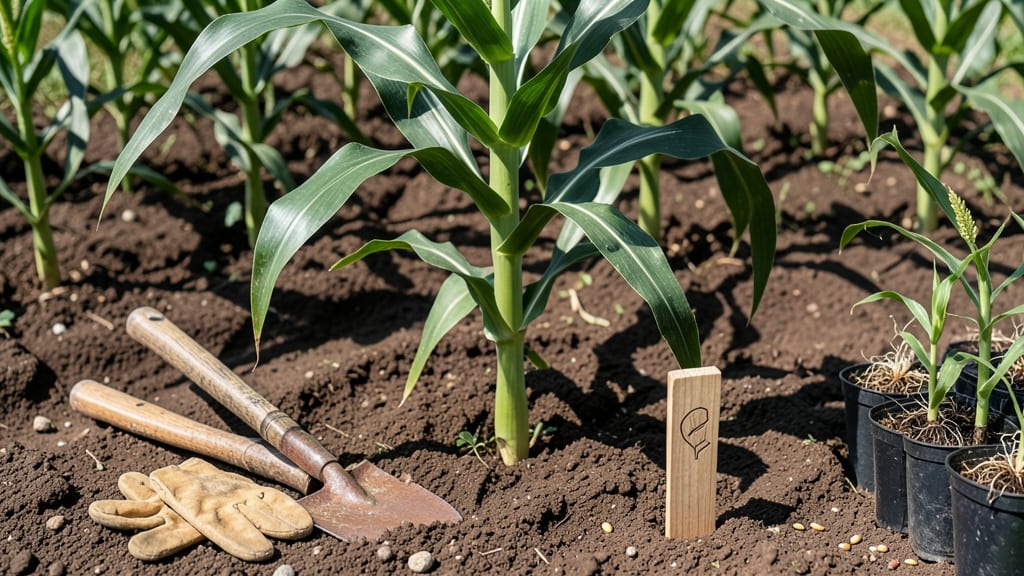
Knowing when to plant corn in Zone 7a isn’t just about following a calendar—it’s about outsmarting your local climate to avoid those frustrating late-summer heat waves that can turn your golden 🌽 dreams into shriveled disappointment.
In Zone 7a, where summers arrive with a vengeance and frost lingers just past April 15th, timing is everything. Plant too early, and your corn might bolt before it’s ready; too late, and you risk stunted growth from heat stress.
The sweet spot? Mid-April to early May, when soil temperatures hit that perfect 60°F threshold.
But here’s the kicker: even within this window, your microclimate matters. A sheltered corner might let you plant a week earlier, while a windy spot could push you closer to May.
I’ll break down exactly how to read your soil, adjust for heat, and stretch your harvest with succession planting—so you’re pulling ears from August through October.
Let’s cut through the guesswork and get you planting with confidence, because nobody wants to watch their corn race toward maturity while summer races toward 90°F afternoons. Ready to turn your garden into a cornucopia? Let’s go.

Optimal corn planting dates in Zone 7A for maximum yield
In Zone 7A, where summers heat up quickly and frost can linger into April, timing your corn planting is critical. The average last frost date here is around April 15, but soil warmth matters more than air temperature.
Corn seeds need soil temperatures above 60°F to germinate reliably—something that typically happens by mid-April to early May in most of Zone 7A.
Planting too early risks frost damage to young seedlings, while waiting too long may force your corn to mature just as fall frosts arrive.
With only about 180 frost-free days in Zone 7A, you’ll want to choose early-maturing varieties (60–90 days to harvest) to ensure a successful crop before October 15, the average first frost date.
For the best results, aim to plant your corn seeds between April 20 and May 10. This window balances the risk of late frosts with the need for warm soil. If you’re in a cooler microclimate within Zone 7A, push planting closer to May 1 to avoid frost.
| Planting Window | Soil Temp Requirement | Frost Risk | Best Varieties |
|---|---|---|---|
| April 20–May 10 | 60°F+ (15°C+) | Low (after last frost) | Early-maturing sweet corn (e.g., 'Silver Queen', 'Peaches and Cream') |
| May 10–15 (late planting) | 65°F+ (18°C+) | Moderate (shorter season) | Extra-early varieties (e.g., 'Ambrosia', 'Bodacious') |
| March 15–April 15 (risky) | 55°F+ (13°C+) | High (frost likely) | Not recommended (use row covers) |
If you’re unsure about your exact last frost date, use a soil thermometer to check temperatures at a depth of 2 inches. Corn seeds won’t sprout reliably until the soil reaches 60°F, so don’t rush planting just because the air feels warm.
In my garden, I’ve seen soil warm up faster in south-facing beds, so I plant those areas first.
For a continuous harvest, consider succession planting every 2 weeks after your initial planting. This ensures you have fresh ears throughout the summer.
For example, if you plant your first batch on April 25, follow up with a second planting on May 10 and a third on May 25. This strategy works well for Zone 7A’s shorter growing season.
Another key factor is daylength sensitivity. Corn is day-neutral, meaning it matures based on temperature and plant age—not daylight hours. However, heat stress above 90°F can stunt growth or cause kernel abortion.
That’s why planting in early May often yields better results than late April in hotter microclimates.
Pro tip: Use black plastic mulch to warm the soil faster and suppress weeds. I’ve found that this can push my planting window back by 5–7 days in cooler springs. Just remove the mulch once plants are 6 inches tall to avoid overheating roots.
Finally, monitor your local weather forecasts for extended cold snaps. If a late frost is predicted after planting, cover seedlings with row fabric or old blankets to protect them until they’re established. A little extra care at this stage can save your entire crop.
Optimal corn planting dates in Zone 7A for maximum yield
In Zone 7A, where summers arrive early and heat can stress corn plants, timing is everything. The last average frost date typically falls around April 15, but you should wait until soil temperatures reach 60°F (15°C)—usually mid-April to early May—before planting.
Corn thrives in warm soil, and cooler temperatures can delay germination or cause poor root development.
Corn’s 120-day growing season in Zone 7A means you must plant early enough to avoid fall frost (around October 15). If you plant too late, your crop may mature just as temperatures drop, leaving you with underdeveloped ears.
Aim for a harvest window between late August and early October to ensure sweet, plump kernels.
| Planting Window | Soil Temp Requirement | Frost Risk | Harvest Window |
|---|---|---|---|
| Mid-April to early May | 60°F (15°C) or warmer | Low (post-last frost) | Late August to early October |
| Late May (succession) | 60°F (15°C) or warmer | Moderate (earlier frost risk) | September to early October |
For maximum yield, plant corn in blocks (not rows) to improve pollination. Space seeds 1 inch deep and 4-6 inches apart, with rows 30-36 inches apart. This arrangement helps wind carry pollen between plants, ensuring better ear development.
If you’re unsure about your last frost date, use a soil thermometer to confirm readiness—corn won’t germinate well in cold soil.
Zone 7A’s short growing season demands careful planning. If you’re growing sweet corn varieties with a 75-90 day maturity rating, you’ll have a better chance of success than slower-maturing types.
Start seeds indoors 2-3 weeks before transplanting to give them a head start, especially if your spring is unusually cool. Transplant seedlings when they’re 4-6 inches tall and hardy.
Don’t forget to monitor weather forecasts in late summer. If a hard frost is predicted before your corn matures, consider harvesting ears early (even if slightly underdeveloped) or using a row cover to extend the season.
Corn is sensitive to cold, and even a light frost can damage tender leaves and ears. Plan ahead to avoid last-minute stress on your crop.
Finally, rotate planting locations each year to prevent soil-borne diseases and nutrient depletion. Corn is a heavy feeder, so enrich your soil with compost or aged manure before planting. This practice ensures your plants have the nutrients they need to thrive during their rapid growth phase.