
Plants
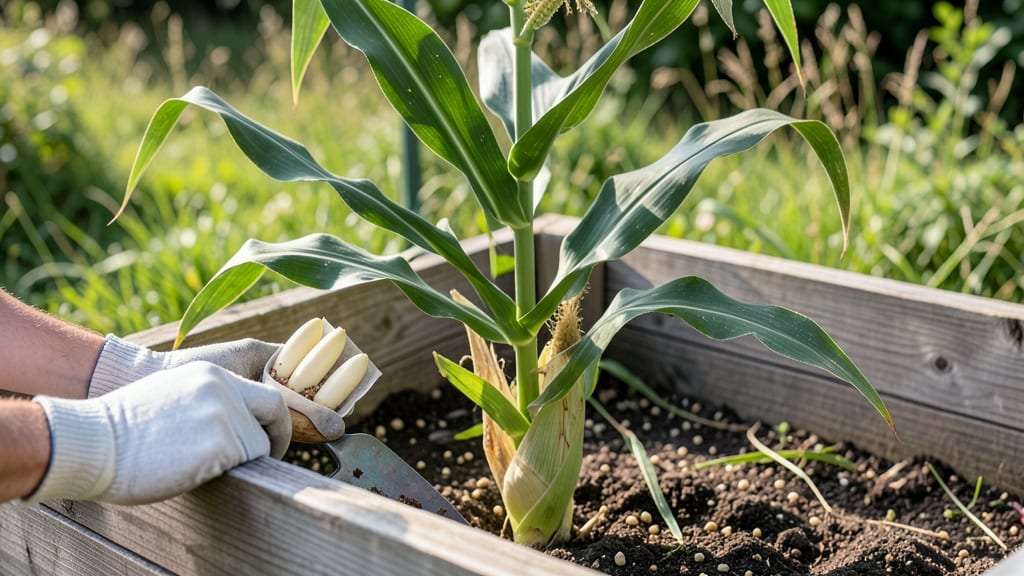
Timing your corn planting in Seattle could mean the difference between a bountiful harvest and a disappointing flop—especially when unpredictable rain and cool soils throw off your plans.
With Zone 8a’s short growing season, getting those seeds in the ground at the right moment is critical for 🌽 sweet, plump ears by summer’s end.
Most gardeners here wait until after the last frost (around April 15), but soil temperature matters just as much. Planting too early when the earth is still chilly can stall germination, while waiting too long risks a harvest cut short by Seattle’s early autumn frosts.
The ideal window—late April to early June—balances warmth with daylight, but microclimates (like urban heat islands) can shift those deadlines by weeks.
I’ll break down exactly when to plant based on your neighborhood, which corn varieties handle Seattle’s damp springs best, and how to stretch your harvest season with smart spacing and succession planting. No more guessing—just data-driven timing for reliable results every year.
Ready to grow corn that tastes like summer, even when Seattle’s weather tries to sabotage you? Let’s dive into the specifics so you can start planting with confidence.
Seattle’s best corn planting dates by microclimate (Zone 8 guide)
Seattle’s Zone 8a climate creates unique challenges for corn growers, with cool, wet springs and unpredictable frost dates. Unlike warmer regions, corn in Seattle demands precise timing to avoid late frosts in May or early frosts in September.
The ideal planting window spans late April through early June, but your exact deadlines depend on Seattle’s three distinct microclimates.
Puget Sound’s coastal areas (like West Seattle) have cooler soil temperatures and higher humidity, while the Eastside (Bellevue, Kirkland) benefits from urban heat islands that warm soil faster.
South Sound (Tacoma, Olympia) falls somewhere in between. Understanding these differences helps you choose the right corn varieties and planting dates for your location.
🌽 Key Rule: Never plant corn until soil temperatures reach at least 60°F (15°C). Use a soil thermometer to check—cold soil delays germination and invites soilborne diseases. In Seattle, this typically means waiting until mid-to-late May in coastal areas and early May in urban heat pockets.
| Microclimate | Ideal Planting Window | Soil Temp Goal | Last Frost Risk | Best Varieties |
|---|---|---|---|---|
| Puget Sound (West Seattle, Ballard) | Late May - Early June | 60-65°F (15-18°C) | High (May 20-30) | 'Ambrosia', 'Peaches and Cream' |
| Eastside (Bellevue, Kirkland) | Early May - Mid-May | 55-60°F (13-15°C) | Moderate (May 10-20) | 'Silver Queen', 'Golden Bantam' |
| South Sound (Tacoma, Olympia) | Mid-May - Late May | 58-62°F (14-17°C) | Low (May 5-15) | 'Tiny and Tender', 'Country Gentleman' |
For a longer harvest season, consider planting two batches of corn: one in early May (Eastside only) and another in late May for Puget Sound. This staggered approach ensures continuous fresh ears from late July through September.
Just be prepared to use row covers for the earlier batch if frost threatens.
Seattle’s short growing season (165 frost-free days) means choosing early-maturing varieties is non-negotiable. Aim for 70-80 day varieties to guarantee a harvest before the first frost.
If you’re in a cooler microclimate, opt for 60-70 day dwarf varieties like 'Golden Bantam'—they’re less likely to flop in windy conditions and mature faster.
Pro tip: Test your soil pH before planting—corn thrives in slightly acidic to neutral soil (6.0-7.0). Seattle’s natural acidity often requires lime amendments to prevent nutrient deficiencies. A simple soil test kit (available at local nurseries) will give you the exact adjustments needed.
Remember, corn is wind-pollinated, so plant in blocks (not rows) to ensure cross-pollination. A 4x4 foot block with 4-6 plants is ideal. This also makes it easier to spot pests like corn earworms early and take action before they damage your crop.
If you’re new to growing corn in Seattle, start small with 4-6 plants to test your microclimate’s suitability. Even with perfect timing, fungal diseases like gray leaf spot can be a problem in Seattle’s damp conditions.
Rotate crops yearly and practice crop rotation to maintain soil health and reduce disease pressure.
🌱 For extra protection, consider raised beds—they warm up faster in spring and provide better drainage than Seattle’s often soggy native soil. Fill them with a mix of compost and aged manure to give your corn a nutrient boost from day one.
How to adjust planting for Seattle’s unpredictable weather patterns
Seattle’s cool, damp springs and sudden heatwaves can throw off even the most careful planting schedule. The key is flexibility—using soil thermometers and weather forecasts to adjust your timeline. If your soil stays below 60°F past mid-May, don’t rush planting; cold soil delays germination, leading to patchy stands.
I’ve learned the hard way that rain delays are inevitable. If your seeds sit in soggy soil for more than a week after planting, they’ll rot. Use raised beds or mound planting to improve drainage, especially in low-lying areas like West Seattle or Ballard.
🌱 For extra protection, cover young seedlings with lightweight row covers if a late frost threatens. These create a 2-3°F warmer microclimate without smothering plants. Remove covers once tassels emerge to allow pollination.
Watch for Seattle’s False Springs
A warm spell in March or April can trick you into planting early—but frost can return by late April. Always check the National Weather Service’s frost advisory and wait until soil temperature consistently stays above 60°F for 5+ days.
If your planting window closes too soon (say, you’re in Zone 8a’s cooler pockets like Woodinville), try succession planting every 2 weeks in May. This stretches your harvest from July to early September, beating the first frost. Just choose fast-maturing varieties (60-70 days to harvest) to make it work.
For urban gardeners in heat islands (like South Lake Union), you might push planting into early June. Test soil temps daily—if they’re 70°F+, you’re safe. But be ready to water deeply to prevent drought stress during Seattle’s occasional dry spells.
Finally, keep an eye on fungal diseases like corn smut or blight. Seattle’s humidity loves these pests. Space plants 12+ inches apart, rotate crops yearly, and water at soil level (not overhead) to stay ahead of trouble.