
Plants
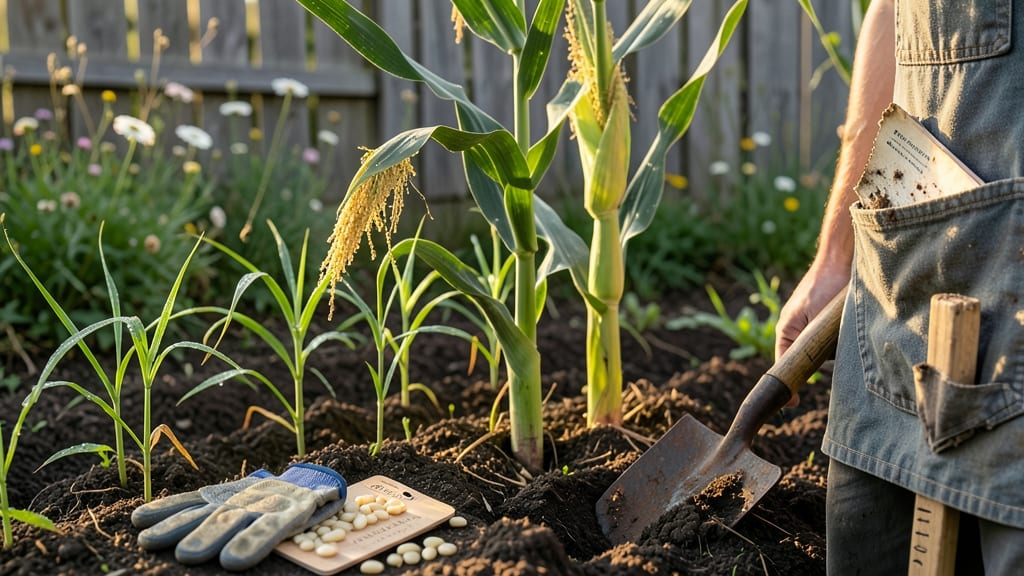
Timing your corn planting in South Carolina can mean the difference between a bumper crop of sweet, juicy 🌽 and a disappointing harvest. With the right frost-free timeline, you can align your planting with the state's unique climate zones—whether you're in the humid lowcountry or the warmer upstate regions.
Most gardeners in zones 7b-8a know that mid-April to late May is the ideal window, but getting it just right matters. Plant too early, and frost can nip tender seedlings; too late, and your corn won’t mature before summer’s heat peaks.
I’ll break down the exact frost dates and soil temperature cues you need to avoid these common pitfalls.
Whether you’re a first-time gardener or a seasoned pro, choosing the right corn variety for your zone is just as critical as timing. Some varieties thrive in the 75-day growing season of the coastal plains, while others need the extra heat of inland areas.
Let’s explore which types perform best—and how to extend your harvest window if needed.
Ready to grow corn that’s plump, sweet, and ready to pick by July? Stick around—I’ll walk you through the step-by-step process, from seed to silks, so you can enjoy homegrown ears straight from your South Carolina garden.
South Carolina corn planting calendar by frost Zone (when to start seeds & transplant)
South Carolina’s three distinct climate zones (8a, 8b, and 9a) mean your corn planting window varies by region. Inland areas like Columbia (Zone 8a) have earlier last frost dates (around March 15), while coastal Charleston (Zone 9a) enjoys longer frost-free growing seasons.
Understanding these zones ensures your sweet corn varieties mature before fall frosts strike.
For all zones, soil temperature is more critical than air temperature. Corn seeds won’t sprout until soil reaches 60°F (15°C), typically 2-3 weeks after the last frost.
In Zone 8a, this usually lands in mid-April, while Zone 9a gardeners can start as early as late March in warmer microclimates.
Here’s your zone-specific planting timeline for both direct sowing (most common for corn) and transplanting (less common but useful for late starts). Remember: Corn is a warm-season crop that hates cold soil, so rushing can stunt growth or invite rot.
🌽 South Carolina Corn Planting Guide by Zone
| Zone | Last Frost Date | Optimal Planting Window | Soil Temp Threshold | Transplant Window | Harvest Window |
|---|---|---|---|---|---|
| 8a (Inland: Greenville, Spartanburg) | March 15 | Mid-April to early May | 60°F+ (after April 1) | Late April (if starting indoors) | July 15 - September 15 |
| 8b (Central: Columbia, Rock Hill) | March 1 | Late March to mid-April | 60°F+ (after March 15) | Early April (if starting indoors) | June 20 - October 1 |
| 9a (Coastal: Charleston, Myrtle Beach) | February 15 | Late February to April | 60°F+ (after February 28) | Mid-March (if starting indoors) | May 15 - October 31 |
💡 Pro Tip: Use black plastic mulch to warm soil faster in cooler zones (8a).
If you’re direct sowing (the preferred method for corn), plant seeds 1 inch deep and 12 inches apart in rows 30 inches apart. Corn thrives in groups of 4-6 plants for better pollination—isolated plants often produce smaller ears.
For transplants, harden off seedlings for 7-10 days before setting them out after your zone’s transplant window.
For extended harvests, consider succession planting every 2 weeks in Zone 9a or every 3 weeks in Zone 8a. This ensures a continuous supply of fresh ears from summer into early fall.
Just avoid planting after August 15 in Zone 8a—ear development needs at least 60 days of warm weather to mature before frost.
South Carolina’s humidity and heat can stress corn if not managed properly. After planting, maintain 1-2 inches of water weekly (more during droughts) and avoid overhead watering at night to prevent fungal diseases like corn smut. A light mulch of straw helps retain moisture and regulate soil temperature.
Monitor your plants for tasseling (when pollen-bearing flowers appear at the top). This is your cue to side-dress with compost or fertilizer to support ear development.
In Zone 9a, you might even catch a second harvest wave in late summer if you plant heat-tolerant varieties like ‘Peaches and Cream’ or ‘Silver Queen’.
🌱 Key Reminder: Corn is not frost-tolerant at any stage. If a late frost threatens after planting, cover seedlings with row fabric until soil warms. And remember: <
Best corn varieties for South Carolina’s climate (heat tolerance & maturity speed)
Choosing the right corn variety for South Carolina’s climate is just as important as timing your planting. The state’s humid subtropical conditions and hot summers demand varieties that thrive in heat and resist common pests like corn earworm.
Early-season varieties excel in the coastal plains (zone 8a), while mid-to-late varieties perform better in the upstate (zone 7b-8a). Let’s explore the top picks for your garden.
For gardeners in zone 8a, early varieties like Silver Queen or Ambrosia mature in 65-75 days, perfect for avoiding summer’s peak heat. These varieties also handle South Carolina’s high humidity better than slower-maturing types.
In contrast, late-season varieties like Peaches and Cream or Bodacious (90+ days) are ideal for inland areas with longer growing seasons.
🌽 Pro Tip: Always check the days to maturity on seed packets and align them with your last frost date. For example, if your last frost is March 15, planting a 75-day variety in mid-April ensures harvest by late June.
Early Varieties (60-75 Days)
- 🌱 Heat-tolerant for coastal areas
- 🌿 Sweet kernels with creamy texture
- ✅ Resists ear rot in humidity
- 🌱 Fast-maturing (65 days)
- 🌿 Compact plants (good for small gardens)
- ✅ Disease-resistant varieties
Mid-to-Late Varieties (80-100 Days)
- 🌱 Super sweet (high sugar content)
- 🌿 Tall stalks (up to 8 ft)
- ✅ Great for canning
- 🌱 Disease-resistant (rust, blight)
- 🌿 Large ears (10+ rows)
- ✅ Late-season (100 days)
If you’re planting in June or July for a fall harvest, opt for late-season varieties like Country Gentleman (95 days). These types need the extra heat to mature before the first frost in November. Just be sure to water deeply during summer’s dry spells to prevent stress.
For small gardens, consider bush corn varieties like Golden Bantam, which grow 4-5 feet tall and produce multiple ears per stalk. They’re perfect for containers or tight spaces but may not yield as heavily as standard types. 🌱
💡 Final Tip: Mix varieties for extended harvests. Plant early, mid, and late-season types in separate blocks to enjoy fresh corn from July through October. Just keep track of their maturity dates—nothing beats the taste of homegrown sweet corn!