
Plants
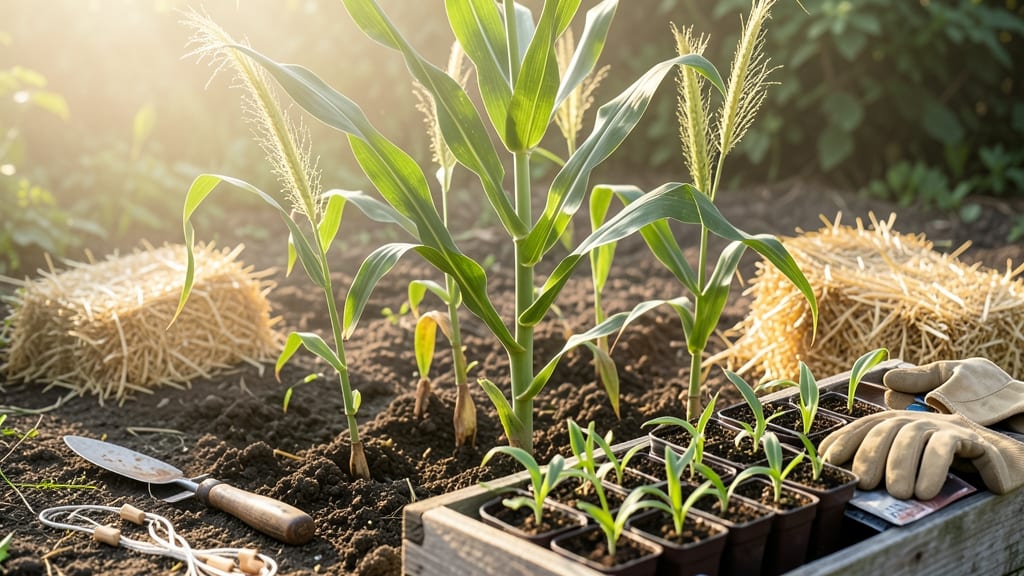
Planting corn in Portland, Oregon, might seem tricky with its unpredictable spring weather, but timing is everything for a sweet, bountiful harvest. The perfect window—mid-April to early June—aligns with your Zone 8a climate, where last frosts typically fade by April 15.
Miss this, and you risk stunted growth or missed harvests before fall’s chill sets in.
What sets Portland apart is its microclimates—urban areas may warm faster than rural spots, so adjust planting dates accordingly. I’ll show you how to read soil temperatures (aim for 60°F) and use local frost data to fine-tune your schedule.
With the right prep, even first-timers can grow 6-foot-tall 🌽 stalks bursting with flavor.
Beyond dates, I’ll cover soil prep, variety picks, and post-planting care to keep your corn thriving through summer’s 165 frost-free days. Whether you’re a backyard gardener or a small-farm enthusiast, these tips will help you beat Portland’s quirks and enjoy homegrown ears by late July.
Ready to dive in? Let’s turn your garden into a corn patch—without the guesswork. You’ll learn how to extend your season, choose the best varieties, and ensure every kernel is plump and perfect by harvest time.
Portland corn planting timeline: exact dates for frost-free success
Corn thrives in Portland’s Zone 8a climate, but the city’s unpredictable spring frosts and cool summer nights demand precise timing. The key to success? Planting after your last frost date—typically around April 15—when soil temperatures hit 60°F or warmer.
This gives corn enough time to mature before fall frosts hit around mid-October.
For Portland gardeners, the ideal planting window stretches from mid-April to early June. Early plantings (April) benefit from warmer soil, while late plantings (June) rely on fast-maturing varieties to avoid frost.
Urban areas like Hillsdale or Southeast Portland may experience 2-3°F cooler temps than downtown, so adjust your timeline accordingly.
Here’s a quick breakdown of Portland’s corn planting timeline based on local averages:
| Stage | Action | Portland Timeline |
|---|---|---|
| Soil Prep | Test pH (6.0-7.0), add compost | Late March |
| Planting Window | Direct sow seeds 1" deep, 4" apart | Mid-April to early June |
| Germination | Soil must stay above 60°F | 7-14 days |
| Harvest Ready | Kernels milky, silks brown | Late July to early October |
| First Frost Risk | Protect plants if temps drop below 32°F | Mid-October |
If you’re planting in May or June, opt for early-maturing varieties (60-75 days to harvest) like 'Golden Bantam' or 'Early Sunglow'. These varieties can outpace Portland’s shorter growing season and still yield sweet corn before frost. For reference, Portland’s frost-free season averages 165 days, so plan accordingly.
Pro tip: Use a soil thermometer to confirm 60°F soil temps before planting. Cold soil delays germination, and corn won’t tolerate being moved after sprouting.
If your soil is still chilly in April, consider a black plastic mulch to warm it up faster—this is especially helpful in cooler microclimates like the West Hills.
For gardeners in Portland’s urban heat islands (e.g., Pearl District or Alberta Arts), you might push planting 1-2 weeks earlier thanks to slightly warmer soil.
Conversely, higher elevations (e.g., Mount Tabor) may need a 2-week delay to avoid late frosts. Always monitor local forecasts, as Portland’s weather can shift unpredictably.
One common mistake is planting too early in hopes of a longer season. Corn sown in March risks frost damage or stunted growth from cold soil. Instead, wait for consistent daytime highs above 70°F—a sign your corn is ready to thrive.
If you’re unsure, err on the side of late April or early May for the safest bet.
Remember, corn needs 6-8 hours of full sun daily, so choose a south-facing spot with no shade from trees or buildings. In Portland’s cloudy springs, supplement with grow lights if needed to meet this requirement.
Once planted, maintain 1-2 inches of water weekly, focusing on deep, morning watering to prevent fungal diseases like corn smut.
For a second harvest, try a fall planting in early July with fast-maturing varieties. While less common, this can work in microclimates with extended warmth (e.g., near Columbia River Gorge areas). Just be prepared to use row covers if frost threatens early.
🌽
How to adjust corn planting for Portland’s unpredictable weather
Portland’s cool, wet springs and unpredictable frost dates can throw off even the most experienced gardener. Corn, with its 60-day minimum growing season, needs reliable warmth to thrive.
If you plant too early, a late frost will kill tender seedlings, while planting too late may leave you with stunted ears before fall frosts arrive.
To beat Portland’s variable climate, I’ve learned to use a mix of season extension tools, fast-maturing varieties, and microclimate awareness. Urban areas like Downtown Portland can be 5–10°F warmer than rural spots like Hillsboro, so adjust your timeline accordingly.
Even a 10-day shift in planting can mean the difference between a bountiful harvest and a failed crop.
Here’s how I adapt my planting strategy to Portland’s quirks:
If you’re still nervous about Portland’s cool summers, consider a greenhouse or cold frame for starting seeds indoors. Transplant seedlings outdoors 2 weeks after your last frost date (usually mid-to-late May) when they’re 4–6 inches tall.
This head start can add 2–3 weeks to your growing season, giving corn more time to mature.
Remember, corn is a heavy feeder, so amend your soil with well-rotted compost or a balanced fertilizer (10-10-10) at planting. If your soil is sandy or clay-heavy, mix in organic matter to improve moisture retention—critical during Portland’s dry July summers.
With these adjustments, you’ll be well on your way to a homegrown corn harvest even in Oregon’s tricky climate! 🌽