
Plants
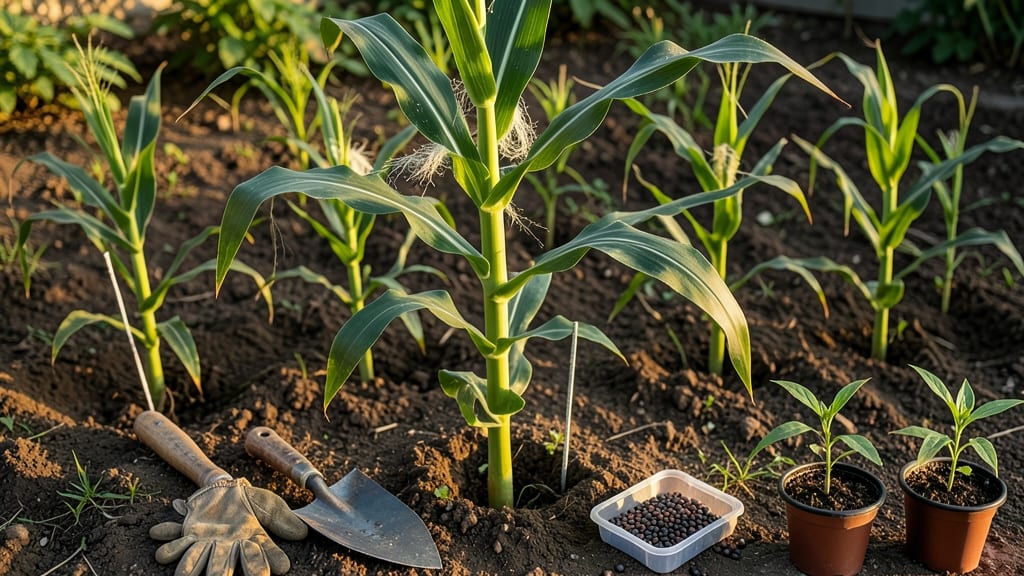
Timing your corn planting in New Jersey isn’t just about following a calendar—it’s about beating frost, warming soil, and giving your 🌽 a fighting chance to thrive in USDA Zone 6b’s unpredictable spring. Plant too early, and a late frost will turn your tender seedlings into sad, wilted memories.
Too late, and you’ll miss the sweet spot for a summer harvest that stretches from July to September.
Most gardeners here know the rule of thumb: wait until the soil hits 50°F and the last frost has passed—usually mid-April to mid-May. But that’s not the whole story.
Coastal areas like Cape May might be safe by early April, while inland spots near the Delaware River could still see frost creeping in past Mother’s Day. The key is matching your variety—whether it’s fast-maturing sweet corn or slower field corn—to your microclimate.
Here’s what I’ve learned from talking to local farmers and Rutgers Extension experts: the 15-day window between April 15 and May 15 is your sweet spot, but it’s not one-size-fits-all. Early varieties like ‘Silver Queen’ can handle cooler soils, while heat-loving ‘Ambrosia’ needs to wait until the ground is toasty.
And if you’re in the Pine Barrens, you might need to adjust even further.
Stick with me, and I’ll walk you through exactly how to read your soil’s temperature, pick the right corn for your corner of New Jersey, and avoid the three biggest mistakes that turn promising plantings into flops. Let’s get your garden ready for a harvest that’ll make your neighbors jealous.
Optimal corn planting dates in New Jersey’s USDA Zone 6b: soil temps & frost risks
New Jersey’s USDA Zone 6b presents unique challenges for corn planting, thanks to its variable spring temperatures and late frost risks.
According to Rutgers Cooperative Extension, the ideal window for planting corn is between April 15 and May 15, but this can shift based on soil warmth and regional microclimates.
For example, coastal areas like Cape May may see earlier planting dates, while inland regions like Morris County might need to wait until late May to avoid frost damage.
Corn seeds require soil temperatures of at least 50°F to germinate, but they thrive best when the soil reaches 60°F or warmer. Using a soil thermometer is the best way to confirm readiness—planting too early in cold soil can lead to poor germination or seed rot.
Historically, New Jersey’s last frost date hovers around April 15, but this can vary by 1-2 weeks depending on the year and location.
To ensure your corn has enough time to mature, aim for varieties with a harvest time of 60-90 days. For instance, ‘Silver Queen’ (70 days) or ‘Ambrosia’ (85 days) are popular choices for NJ gardeners.
Planting too late—after May 15—risks stunted growth or immature ears before the first frost in mid-October.
Here’s how to align your planting with New Jersey’s climate using heat unit calculations. Corn requires 1,000-1,200 growing degree days (GDD) from planting to harvest. In NJ, this typically translates to a July-August harvest window.
Use this rule of thumb: Count backward from your first frost date (usually October 15) and subtract the days to maturity for your chosen variety.
For example, if you’re growing ‘Early Sunglow’ (70 days), plant by June 25 to ensure harvest before frost. However, this late planting is risky in cooler years—prioritize early to mid-May for most varieties to maximize yield and quality.
| Stage | Action | NJ-Specific Notes |
|---|---|---|
| Soil Prep | Test pH (6.0–6.8), add compost | Use Rutgers-recommended soil amendments for NJ clay soils. |
| Planting Window | April 15–May 15 (after last frost) | Coastal NJ: April 1–15; Inland NJ: May 1–15. |
| Soil Temp | ≥50°F (ideal: 60°F+) | Monitor with a soil thermometer; cold soil delays germination. |
| Variety Choice | 60–90 day maturity | Early varieties (e.g., ‘Bodacious’) for cooler regions; late varieties (e.g., ‘Peaches and Cream’) for longer seasons. |
| Frost Risk | Avoid planting before April 15 | Use row covers for early starts in high-risk zones like Sussex County. |
| Harvest Window | July–September | Late varieties may need succession planting to extend harvest. |
If you’re unsure about your local frost dates, check NJ State Climate Office records or use Almanac.com’s frost calculator for your specific ZIP code. For example, Trenton (Zone 7a) typically has a later last frost than Newark (Zone 7b), so adjust accordingly.
Pro tip: Plant a test row 2 weeks earlier than your target date to gauge soil warmth and germination success.
For field corn or popcorn varieties, which take longer to mature (90+ days), consider direct-seeding in late May to avoid frost. These types are more forgiving with later planting but require warmer soil temperatures to establish strong roots.
Always prioritize soil health—amend with compost or aged manure before planting to improve drainage in NJ’s heavy clay soils.
Finally, keep an eye on weather forecasts in early spring. A sudden cold snap can push back planting by weeks. If frost threatens after germination, use row covers or black plastic mulch to protect young seedlings. With the right timing and preparation, you’ll be enjoying homegrown NJ corn by midsummer!
How to adjust planting dates for New Jersey’s microclimates & variety needs
New Jersey’s diverse microclimates mean a one-size-fits-all planting date won’t work. Coastal areas like Cape May can plant 2 weeks earlier than inland spots near the Delaware Water Gap.
For example, if your last frost date is April 15 in USDA Zone 7a (south Jersey), you might start by April 1. But in Zone 6a (north Jersey), wait until April 25 to avoid frost damage.
Elevation matters too—higher areas like the Kittatinny Mountains stay cooler longer. Test your soil temperature with a soil thermometer (aim for 50°F+ at 4 inches deep). If it’s still cold, use black plastic mulch to warm the soil faster.
I’ve seen gardeners in Sussex County add mulch in early April to plant by late April.
- 📍 Southern NJ (Zone 7a): Plant April 1–15 (coastal warmth). Varieties: ‘Silver Queen’ (60 days), ‘Ambrosia’ (75 days).
- 📍 Central NJ (Zone 6b): Plant April 15–May 1. Varieties: ‘Peaches and Cream’ (70 days), ‘Bodacious’ (85 days).
- 📍 Northern NJ (Zone 6a): Plant May 1–15. Varieties: ‘Country Gentleman’ (90 days), ‘Golden Bantam’ (popcorn, 80 days).
- ⛰️ High Elevation (>1,000 ft): Delay by 1–2 weeks. Use row covers for early starts.
- 🌊 Coastal Areas: Start 2 weeks early but watch for salt spray (use raised beds).
For succession planting, stagger your corn in 10–14-day intervals to extend harvests. If you plant ‘Silver Queen’ on April 15, follow with ‘Peaches and Cream’ on May 1, then ‘Bodacious’ on May 15. This ensures ears ripen over 6–8 weeks, so you’re not overwhelmed with harvests.
Row covers are a game-changer for early starts. Lay them over seeds 2–3 weeks before your usual planting date to protect from frost. Remove covers when plants are 6 inches tall to prevent overheating.
I’ve used them in Hunterdon County to plant ‘Ambrosia’ by April 10—something I’d never risk without them.
Choose fast-maturing varieties for northern NJ or late starts. ‘Golden Bantam’ (80 days) is perfect for popcorn lovers, while ‘Country Gentleman’ (90 days) thrives in cooler climates. Southern gardeners can afford slower varieties like ‘Ambrosia’ (75 days) but must plant by May 1 to avoid heat stress.
Pro tip: Check Rutgers NJAES frost maps (njaes.rutgers.edu) for your exact location. Their 30-year averages are more reliable than calendar dates. And if you’re unsure, plant a test row of fast-maturing corn first—it’s a low-risk way to gauge your soil’s readiness.