
Plants
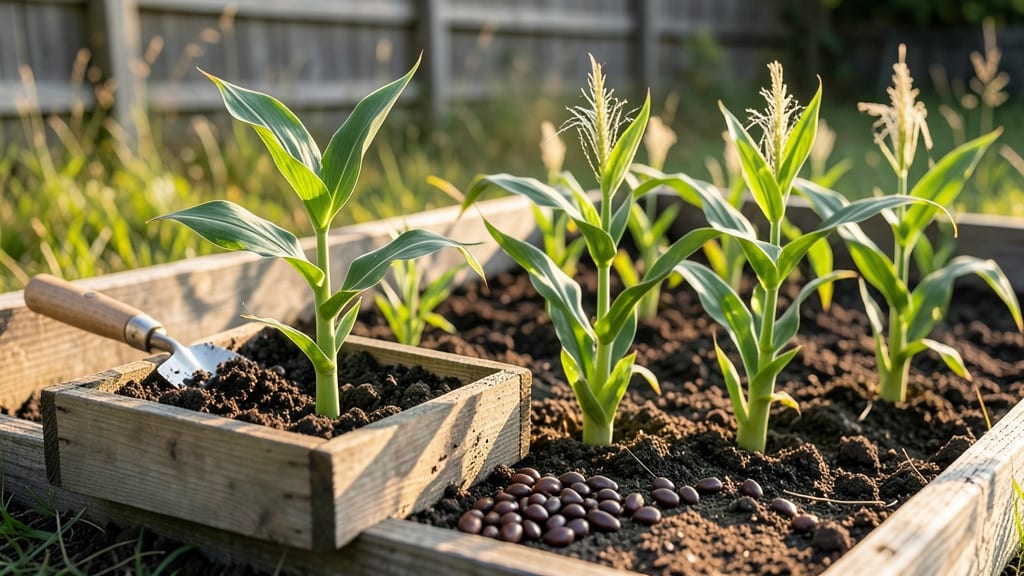
If you're wondering "when do you plant corn in Oklahoma", the answer isn't just about checking a calendar—it's about reading your soil like a weather forecast. 🌽 Oklahoma's 6a-7b climate demands precision, because planting too early risks frost damage while waiting too long cuts your harvest window short.
The key to fast germination lies in soil temperature, not just dates. When those top few inches hit 50-60°F, that's your green light to get seeds in the ground—typically between mid-April and early June.
But here's the catch: even within Oklahoma's planting window, microclimates can shift your ideal timing by weeks.
What makes this especially tricky is how quickly conditions change. A late frost in northern Oklahoma might delay planting until May, while southern regions could start as early as late March.
The solution? Learn how to test your soil temperature and adjust your schedule accordingly—because in Oklahoma, timing isn't just about months, it's about degrees.
I'll show you exactly how to use soil thermometers, choose the right corn varieties for your zone, and even adjust for Oklahoma's unpredictable weather patterns.
By the end, you'll know not just when to plant, but how to give your corn the fastest, most reliable start possible—so you can enjoy that sweet, homegrown harvest from late July through October.
Oklahoma corn planting calendar: best months by soil temperature zones
Timing your corn planting in Oklahoma hinges on two critical factors: soil temperature and frost-free windows. Unlike many crops, corn won’t germinate until the soil reaches 50°F, but for reliable sprouting, aim for 60°F or warmer.
This usually lands in mid-April to early June, but your exact window depends on whether you're in northern Zone 6a (like Oklahoma City) or southern Zone 7b (like Tulsa).
Oklahoma’s last frost dates vary wildly—March 15 in southern regions but often April 15 in northern areas. Planting too early risks frost damage to tender seedlings, while waiting too long cuts your harvest window.
The sweet spot? 2-3 weeks after your average last frost when soil temperatures consistently hit 60°F.
Here’s the golden rule: Corn thrives in warmth. If you’re in southern Oklahoma, you might squeeze in two plantings—one in late March (with frost cloth) and another in early May for a fall harvest.
In northern Oklahoma, focus on one late-April to early May planting to maximize your 190-day frost-free season.
Microclimates play a huge role too. Low-lying areas stay cooler longer, while south-facing slopes warm up faster. If you’re near lakes or rivers, expect cooler soils that delay planting by 1-2 weeks.
Urban heat islands can actually help—paved areas radiate heat, warming soil 5-10°F warmer than rural fields.
Pro tip: Use a soil thermometer for 3 consecutive days at 2-inch depth before planting. Morning readings between 60-70°F mean it’s go time. If temps dip below 50°F at night, cover seedlings with row covers or wait another week.
🌽 Oklahoma Corn Planting Zones Comparison
| Zone | Last Frost | Ideal Planting Window | Soil Temp Threshold | Harvest Window |
|---|---|---|---|---|
| Northern OK (6a) | April 15 | Late April–May 15 | 60–65°F | Late July–early Oct |
| Central OK (6b) | March 30 | Early April–May 10 | 55–60°F | Early July–late Sept |
| Southern OK (7b) | March 15 | Late March–June 1 | 50–55°F | Mid-June–Oct 15 |
Note: Adjust for microclimates—valleys plant 1 week later, slopes 1 week earlier.
For succession planting, Oklahoma gardeners can stretch their harvest by planting every 2 weeks through mid-June. Choose fast-maturing varieties (85–110 days) like ‘Silver Queen’ or ‘Peaches and Cream’ to ensure ears ripen before first frost.
In southern Oklahoma, you might even get a second fall planting in early July for a September harvest.
Watch out for false springsFebruary or March that trick you into planting early. If nighttime temps drop below 40°F, your seedlings will bolt or die. Instead, wait for 3 consecutive days above 50°F before committing. Patience pays off with healthier stalks and bigger ears.
If you’re container gardening, heat up your soil faster by placing pots on black plastic mulch or using heat mats. Urban gardeners can also take advantage of rooftop gardens, which often warm up 2–3 weeks earlier than ground soil.
Just ensure containers are at least 12 inches deep—corn roots need room to stretch!
Remember: Corn loves heat, but it hates cold snaps. By aligning your planting with soil temperature and local frost data, you’ll turn Oklahoma’s unpredictable spring into your corn-growing superpower. Now grab that thermometer—your
How to test soil temperature for corn germination in Oklahoma
Testing soil temperature is the most reliable way to determine when to plant corn in Oklahoma, since air temperature can mislead you. Corn seeds need the top 1-2 inches of soil to reach 50-60°F for consistent germination—any cooler, and your seeds may rot or fail to sprout.
I’ve learned the hard way that even if the air feels warm, cold soil can stall your entire crop.
Start monitoring soil temperatures 2-3 weeks before your target planting date. Use a soil thermometer (available for under $15) to check temperatures in the morning and evening.
In Oklahoma’s 6a-7b zones, soil warms faster in southern regions like Tulsa or Oklahoma City than in northern areas like Enid or Woodward, so local data matters.
Here’s my foolproof method: bury the thermometer probe 1-2 inches deep in a shady spot (corn needs sun, but soil heats up faster in direct light). Check it daily for a week to spot trends.
If temperatures hover around 50°F at night and rise to 60°F+ during the day, that’s your green light to plant.
Clay soils hold heat better than sandy soils, so if you’re working with heavy clay, you might plant 1-2 weeks earlier than sandy soil gardeners. Pro tip: Water the soil slightly before testing—moisture helps conduct heat more evenly, giving you a more accurate reading.
🌱 Step-by-Step Soil Temperature Test for Corn
- Purchase a soil thermometer with a 1-2 inch probe (digital or analog).
- Choose a representative spot in your garden bed where corn will grow.
- Bury the probe 1-2 inches deep in shady soil (avoid direct sunlight).
- Check temperatures morning and evening for 5-7 days to spot patterns.
- Plant when daytime temps reach 60°F+ and nighttime temps stay above 50°F.
- Adjust for soil type: clay soils warm faster than sandy soils.
If your soil is still too cold when your ideal planting window arrives, don’t panic. You can use black plastic mulch or row covers to warm the soil by 5-10°F. Lay the mulch down 1-2 weeks before planting to give it time to work its magic. Just
For those in northern Oklahoma, where late frosts are common, consider starting seeds indoors 2-3 weeks early and transplanting when soil temperatures stabilize. Use biodegradable pots to minimize root disturbance. This tactic buys you 2-3 extra weeks of growing time, which is crucial for shorter-season varieties.
Once you’ve nailed down the right soil temperature, your corn will sprout in 7-14 days, depending on variety and conditions. Keep an eye on those seedlings—they’ll tell you if you’ve timed it right! 🌱