
Plants
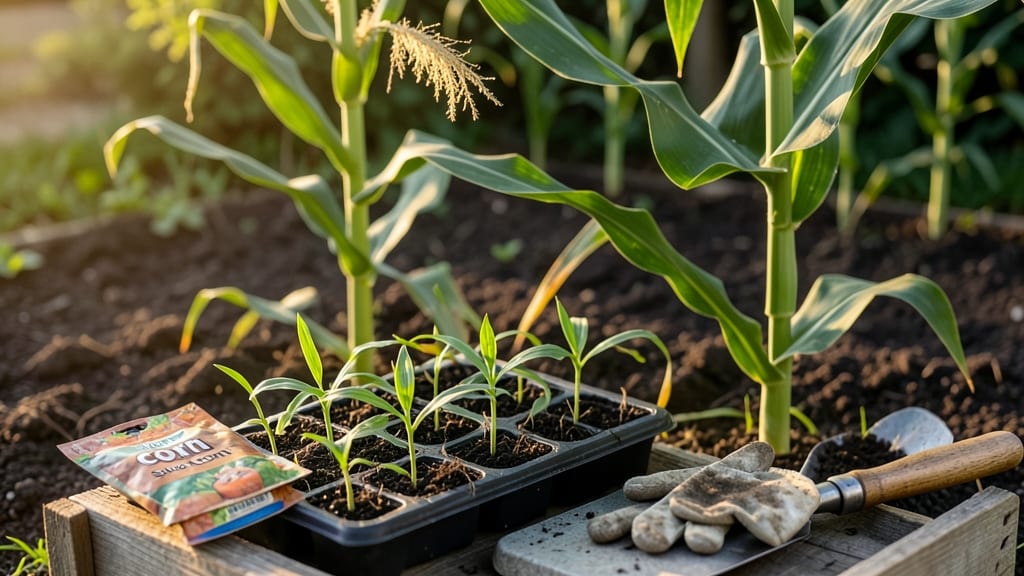
Timing your 🌽 corn planting in Nebraska isn’t just about avoiding frost—it’s about unlocking the full potential of your harvest before summer’s heat sets in.
With USDA zones 5a-6b offering just 150 frost-free days, getting those seeds in the ground at the right moment makes all the difference between a thriving crop and a disappointing one.
Most Nebraska gardeners know the general rule: mid-April to early June is the sweet spot. But here’s the catch—western Nebraska’s drier climate demands earlier planting, while eastern regions can stretch their window a little longer.
The key isn’t just the calendar date; it’s waiting for soil temps to hit 60°F and ensuring at least 2 weeks have passed since the last frost.
Whether you’re growing sweet corn for the dinner table or field corn for livestock, getting this timing right means fewer pests, healthier plants, and ears that reach maturity before fall’s early chill.
I’ll break down exactly how to match your variety to Nebraska’s microclimates and adjust for those unpredictable spring delays.
Ready to turn your garden into a cornucopia? Let’s dive into the frost-free deadlines and pro tips that’ll help you maximize every growing season—no matter where in the state you’re planting.
Nebraska corn planting deadlines by USDA hardiness zones (5a-6b)
Nebraska spans USDA Zones 5a through 6b, meaning frost dates vary dramatically across the state. In western Nebraska (Zone 5a), gardeners face shorter growing seasons and earlier frosts, while eastern Nebraska (Zone 6b) enjoys longer summers.
To maximize yields, align your planting with average last frost dates, which range from April 15 in the east to May 1 in the west.
Corn thrives when planted after soil temperatures hit 60°F (15°C), a threshold critical for germination. In Nebraska, this typically occurs 2-3 weeks after the last frost.
For example, in Omaha (Zone 5b), soil warms by early May, while Lincoln (Zone 6a) may reach this temperature by late April. Planting too early risks cold soil damage, while waiting too long shortens the harvest window.
Use this 150-day frost-free rule as your baseline: Nebraska’s average frost-free period spans late April to mid-October. Subtract your chosen variety’s maturity days (e.g., 75 days for early varieties) from the first fall frost date (October 15) to calculate your latest safe planting window.
For a 100-day variety, this means planting by July 15—but most gardeners prioritize spring plantings for larger harvests.
🌽 Key Insight: Nebraska’s western regions (e.g., Scottsbluff) should focus on early-maturing varieties (75-85 days), while eastern areas (e.g., Nebraska City) can grow longer-season varieties (100-120 days) without risk.
Nebraska Corn Planting Deadlines by Zone
| Zone | Last Spring Frost | First Fall Frost | Ideal Planting Window | Latest Safe Planting |
|---|---|---|---|---|
| 5a (Western NE) | May 1 | October 1 | April 20–May 10 | June 15 |
| 5b (Central NE) | April 25 | October 10 | April 15–May 15 | July 1 |
| 6a (Eastern NE) | April 15 | October 15 | April 1–May 20 | July 10 |
| 6b (Southeast NE) | April 5 | October 20 | March 25–May 25 | July 20 |
Source: Nebraska Extension Climate Data (2023)
For sweet corn, which is highly perishable, prioritize spring plantings (April–May) to ensure fresh ears before summer’s end. Field corn, used for livestock or grain, can tolerate later plantings but risks lower yields if sown after June.
Stagger plantings every 2 weeks to extend your harvest window—this is especially useful in Zone 5a, where summers are brief.
Check your local Nebraska Extension office for microclimate adjustments. Urban areas like Omaha may experience 2–3°F warmer soil temperatures than rural fields due to the heat island effect. Use a soil thermometer to confirm readiness—corn seeds won’t germinate below 50°F (10°C), even if frost risk has passed.
Pro tip: Plant a test row 1–2 weeks before your target date to monitor germination. If seedlings emerge unevenly, adjust future plantings based on soil warmth patterns in your specific yard. In drought-prone western Nebraska, consider black plastic mulch to warm soil faster and retain moisture.
Remember, corn is day-length sensitive—longer daylight hours in Nebraska’s summer accelerate growth. This means early June plantings may mature faster than late May plantings, despite similar frost risks. Balance this with your variety’s maturity rating to avoid harvest timing conflicts.
🌱 Action Step: Bookmark your local frost date calendar and set reminders for soil temperature checks. Nebraska’s unpredictable weather means flexibility is key—be ready to adjust your planting timeline if late frosts or dry spells delay progress.
Best corn varieties for Nebraska’s short vs. long growing seasons
Nebraska’s 150 frost-free days mean you’ll need to carefully select corn varieties that match your region’s growing season length. Western Nebraska’s shorter, drier seasons demand fast-maturing varieties (85-95 days), while eastern regions can handle longer-season types (100-120 days).
The wrong choice risks immature ears before frost or wasted space in tight gardens.
Day-length sensitivity is another critical factor. Short-day varieties (like Silver Queen) thrive in Nebraska’s northern zones (5a) where daylight hours are longer, while non-sensitive varieties (such as Golden Bantam) perform better in southern zones (6b). For western Nebraska’s drought-prone areas, look for drought-tolerant hybrids like Prolific.
Disease resistance is non-negotiable in Nebraska’s humid eastern regions, where gray leaf spot and corn earworm are common threats. Varieties like Ambrosia (100 days) and Peaches and Cream (90 days) offer built-in resistance. In western areas, prioritize early-maturing, heat-tolerant varieties like Early Sunglow (90 days) to escape summer’s intense heat.
| Variety | Days to Maturity | Best For | Disease Resistance |
|---|---|---|---|
| Silver Queen | 90 days | Northern NE (5a), short seasons | Moderate |
| Golden Bantam | 85 days | Western NE, drought-prone | Good |
| Ambrosia | 100 days | Eastern NE, humid | High (gray leaf spot) |
| Peaches and Cream | 90 days | All regions, sweet corn | High (earworm) |
| Early Sunglow | 90 days | Western NE, heat tolerance | Good |
| Prolific | 110 days | Eastern NE, long seasons | Moderate |
For staggered planting (to extend harvests), mix early-maturing (85-90 days) and mid-season (95-105 days) varieties. Plant the earliest variety in mid-April and follow with 10-day intervals. This ensures you’ll have harvest-ready ears from late July through early September, even if frost arrives early.
Pro tip: Check seed packets for relative maturity (RM) ratings—this tells you how many days until black-layer formation (harvest time). In Nebraska, aim for varieties with RM ratings between 85-110 to align with your frost-free window.
For example, a 100-day variety planted on May 1st should be ready by August 10th.
Don’t overlook field corn varieties if you’re growing for livestock or biofuel. Bodacious (105 days) and Pioneer 33B15 (110 days) are popular choices for Nebraska farmers, offering high yield potential and disease resistance. These varieties need slightly longer seasons but reward with robust stalks and high kernel counts.