
Plants
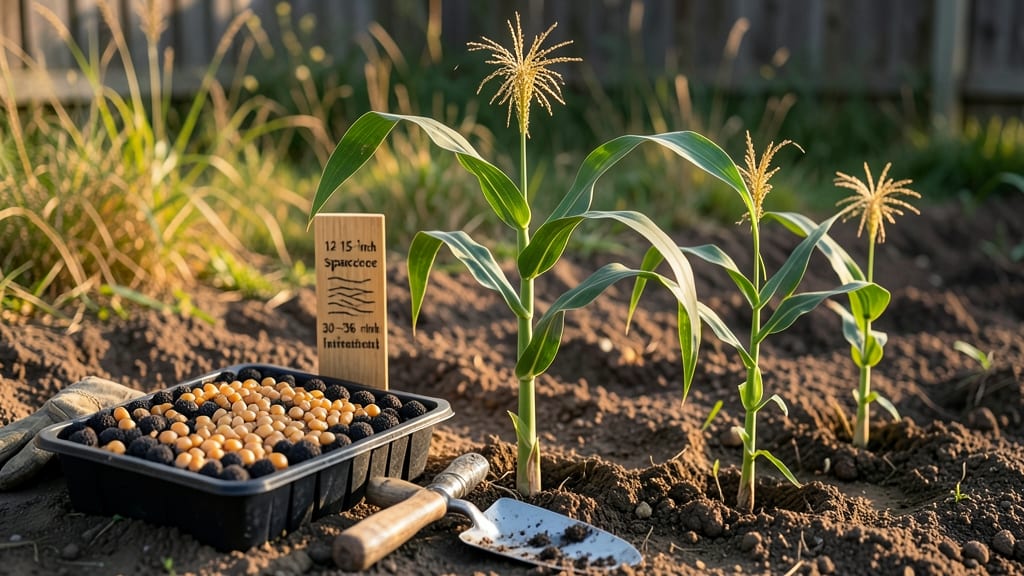
Timing your 🌽 corn planting in Florida isn’t just about the calendar—it’s about beating the heat, avoiding hurricanes, and giving your plants the perfect growing window.
Unlike northern states, Florida’s 8a-11 climate lets you grow corn year-round, but the right months make all the difference between a thriving crop and a struggle.
Most Florida gardeners plant corn in spring (March-June) or late summer (August-September), but the best time depends on where you live. In North Florida’s 8a zone, wait until after the last frost (usually mid-January), while South Florida’s 11 zone can plant almost anytime—just watch for summer storms.
The key? Soil temperatures above 60°F and a clear path to harvest before the dog days of July.
I’ve grown corn in Florida for years, and I’ll show you exactly how to time your planting for peak yields, whether you’re in the Panhandle or the Keys. From choosing heat-tolerant varieties to adjusting for unpredictable weather, you’ll learn the strategies that actually work—no guesswork.
Ready to go from seed to ear? Let’s break down the frost-free timeline, soil prep, and companion plants that’ll help your corn thrive—no matter which Florida region you’re in.
Florida corn planting calendar: best months by region for frost-free success
Florida’s three distinct climate zones mean corn planting windows vary dramatically. In North Florida (USDA Zones 8a-9a), like Jacksonville or Gainesville, you’ll need to time your planting around the last frost date (January 15) and avoid summer’s brutal heat.
Meanwhile, Central Florida (Zone 9b), including Orlando and Tampa, offers a longer growing season, while South Florida (Zones 10a-11), like Miami and the Keys, allows for year-round planting with minimal frost risk.
The key to success is planting when soil temperatures consistently reach 60°F (15°C)—corn germinates poorly in cooler soils. In North Florida, this typically happens in mid-March to early April, while South Florida gardeners can start as early as February or even late summer for a fall harvest.
Let’s break down the best planting windows by region to maximize your yield.
🌱
| Region | Ideal Planting Window | Soil Temp Threshold | Harvest Window | Key Considerations |
|---|---|---|---|---|
| North Florida (Zones 8a-9a) | March 15 – April 30 | 60°F+ (consistent) | June – August | Avoid June planting; heat stress reduces yields. Use shade cloth if planting in late May. |
| Central Florida (Zone 9b) | February 15 – May 15 | 60°F+ (consistent) | May – September | Succession plant every 2 weeks for continuous harvests. Watch for hurricane risks in June-November. |
| South Florida (Zones 10a-11) | Year-round (peaks Feb & Aug) | 60°F+ (always met) | April – June & Oct – Dec | Late summer/fall plantings avoid peak hurricane season (June-Nov). Use drought-tolerant varieties. |
For North Florida gardeners, I recommend sticking to spring planting (March-April) to avoid the oppressive summer heat, which can cause kernels to dry out or develop poorly.
If you’re in Central Florida, you’ve got flexibility—plant in early spring (February-March) for a summer harvest or late summer (August-September) for a fall crop before the first cold fronts arrive.
In South Florida, the real advantage is year-round planting, but I’d prioritize February and August to avoid hurricane season (June-November). A late August planting gives you ears ready by October-November, just before the cooler months set in.
Plus, you’ll miss the worst of the summer rains and humidity.
One critical tip for all regions: Monitor soil moisture closely during tasseling (when pollen forms) and ear development. Corn needs 1-2 inches of water per week, but Florida’s unpredictable rain patterns can leave you with either soggy soil or drought stress.
Use a soil moisture meter to check levels—don’t rely on rainfall alone.
If you’re planting in June or July, opt for fast-maturing varieties like ‘Silver Queen’ (60-70 days to harvest) to beat the late-summer heat. These varieties can go from seed to table in just 2 months, giving you a harvest before the humidity peaks in late summer.
For fall plantings, aim to have corn pollinate by October so ears develop before temperatures drop below 65°F. This is especially important in North and Central Florida, where early December frosts can ruin tender corn plants.
🌽
How to adjust corn planting dates for Florida’s unpredictable weather patterns
Florida’s weather can shift faster than a summer storm, making corn planting a game of strategy. Heatwaves, hurricanes, and sudden rains can derail even the best-laid plans, so flexibility is key.
The goal? Plant when soil temperatures are ideal (60°F+) and avoid peak hurricane season (June-November). I’ve learned to watch forecasts closely and adjust my schedule accordingly.
For North Florida, where frost is still a risk, aim for mid-March to early April—after the last frost date. In Central Florida, you’ve got more wiggle room: late February to May.
But in South Florida, you can plant year-round, though August-September is ideal to beat the worst of hurricane season and summer heat stress.
🌧️ Hurricane Season Warning
Avoid planting in June—this is peak hurricane season. If you must plant, use fast-maturing varieties (60-70 days to harvest) like 'Silver Queen' or 'Peaches and Cream'. Monitor forecasts and have a harvest plan in case of storms.
Pro Tip: Plant near windbreaks like bamboo or tall grasses to reduce storm damage.
Succession planting is my secret weapon for consistent harvests. Instead of one big planting, I stagger seeds every 2-3 weeks from March to June. This ensures fresh ears all summer long and spreads out risk if one batch fails.
For example, plant one row in March, another in April, and a final row in May—this way, you’re not betting everything on one season.
Heat stress is another enemy in Florida. If temperatures soar above 90°F, corn can bolt (go to seed) prematurely or develop poor ear formation. To combat this, I choose heat-tolerant varieties like 'Bodacious' or 'Pioneer 39T03' and provide afternoon shade cloth during extreme heat.
Mulching with straw or black plastic also keeps roots cool and moisture levels steady.
Rainfall is a double-edged sword. Too much can lead to fungal diseases like corn smut, while too little causes drought stress. I test my soil’s drainage before planting and avoid waterlogged areas.
If rain is forecasted, I reduce irrigation temporarily to prevent overwatering. A drip irrigation system on a timer helps me maintain consistent moisture without the guesswork.
Finally, keep an eye on soil temperature. Use a soil thermometer to confirm it’s above 60°F before planting. Cold soil delays germination, and in Florida, that can mean missed opportunities. If temperatures dip unexpectedly, I cover seeds with row covers or black plastic to warm the soil faster.