
Plants
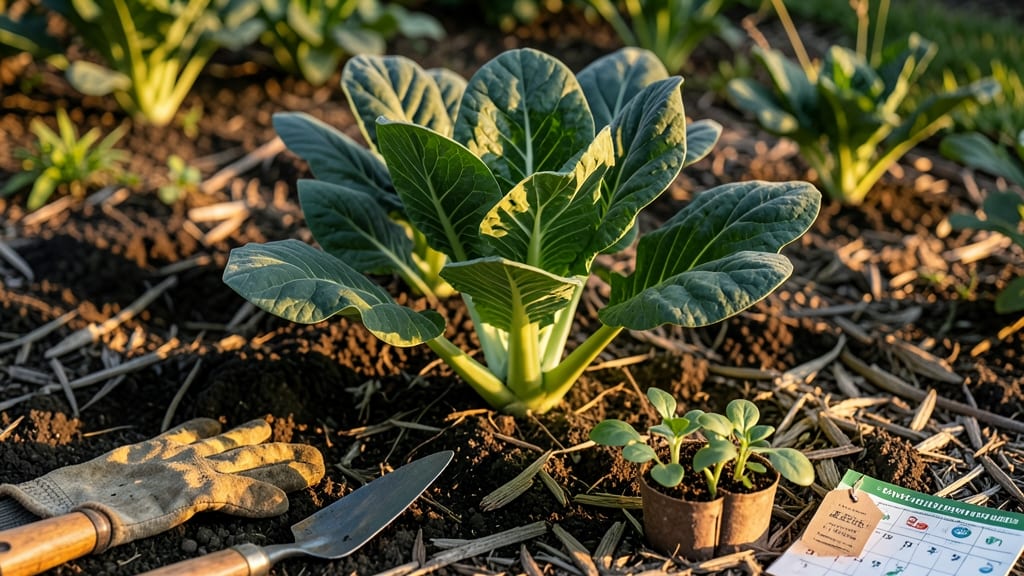
If you’ve ever wondered when to plant collards in South Carolina for the best results, the answer lies in perfect timing—especially in the state’s unique climate. Planting collards at the wrong time can mean wasted effort, but get it right, and you’ll enjoy a steady harvest from spring through fall.
With USDA zones 7b-8a and a frost-free window of about 210 days, South Carolina offers two ideal planting windows: late winter through early spring and again in late summer.
The key is avoiding the brutal summer heat, which stresses these cool-season greens. Let’s break down exactly when to plant for maximum success.
You’ll discover how to align your planting schedule with frost dates, choose the best varieties for your region, and even extend your harvest using simple tricks. Whether you’re a first-time gardener or a seasoned green thumb, these insights will help you grow collards that thrive year after year.
Ready to transform your garden into a collard powerhouse? Let’s dive into the exact planting times, soil prep secrets, and companion plants that make all the difference in South Carolina’s ever-changing seasons.
South Carolina collard planting calendar: frost dates & heat-Zone breakdown
Timing your collard planting in South Carolina means working with the state's unique USDA zones 7b-8a and average last frost date of March 15. Planting too early risks frost damage, while late planting may lead to bolting before harvest.
The key is aligning your planting window with local climate patterns to maximize your harvest.
Most gardeners in SC focus on two main planting seasons: early spring (for summer harvest) and late summer (for fall/winter harvest). Spring planting typically starts 4-6 weeks before the last frost, which in most of SC falls between late February and early April.
Fall planting should occur 8-10 weeks before the first frost, usually between August and mid-September.
Here's how to adjust your timing based on your specific USDA zone within SC. The Upstate (Zone 7b) has slightly earlier frost dates than the Coastal Plain (Zone 8a), so I’ll break it down by region to help you avoid common mistakes like overwintering failures or heat-stressed plants.
| Planting Season | Ideal Months | USDA Zones | Key Considerations |
|---|---|---|---|
| Spring Planting | Late February - Early April | 7b-8a | Plant 4-6 weeks before last frost. Use row covers for early starts in Zone 7b. |
| Fall Planting | August - Mid-September | 7b-8a | Aim for 8-10 weeks before first frost. Zone 8a can extend to early October. |
| Late Summer Succession | July (for fall harvest) | 8a (Coastal) | Use heat-tolerant varieties and provide shade cloth if temps exceed 90°F. |
| Winter Overwintering | October - November | 7b (Upstate) | Plant cold-hardy varieties and use mulch to protect roots during light frosts. |
If you're in the Upstate (Zone 7b), your last frost date might arrive as early as March 1, so start seeds indoors in January for transplants ready by late February.
In contrast, the Coastal Plain (Zone 8a) can safely plant outdoors until mid-April in spring, giving you more flexibility. Always check your local Cooperative Extension Service for microclimate adjustments, especially if you're in a valley or near the coast.
For fall planting, the goal is to establish plants before hot summer temperatures stress them out. In Zone 7b, aim to have mature plants by mid-August, while Zone 8a gardeners can push it to early September.
I recommend direct sowing seeds in late summer rather than transplanting, as young plants handle the transition better. Use drip irrigation to keep soil consistently moist during this critical period.
One common mistake I see is planting collards in summer for a fall harvest. While possible in Zone 8a, the high humidity and heat often lead to pest pressure and leaf bolting.
Instead, focus on late summer plantings (July-August) with shade cloth during peak afternoon heat. This approach gives your plants time to establish before cooler weather arrives.
Pro tip: Use a planting calendar or set reminders for your local frost dates. Many SC gardeners swear by the Old Farmer’s Almanac or their county extension office for real-time updates.
For example, Charleston’s first frost might average November 15, but a cold snap in October could push it earlier. Planning with a buffer ensures you’re never caught off guard.
Finally, don’t overlook succession planting to extend your harvest. After your initial spring planting, sow a second batch in late May or early June for a fall crop.
This works especially well in Zone 8a, where winters are milder. Just be prepared to use row covers if a late frost threatens.
With the right timing, you can enjoy fresh collards from late spring through winter in South Carolina—no greenhouses required! The key is respecting your local climate and adjusting your schedule accordingly. 🥬
Collard varieties that thrive in South Carolina’s climate: best for early, mid, and late planting
Choosing the right collard variety for South Carolina’s humid subtropical climate can make or break your harvest. Some varieties bolt in summer heat, while others wilt under winter frosts.
The good news? A few standout types perform consistently in USDA zones 7b-8a, giving you reliable greens from spring through fall.
For early spring planting (February-March), prioritize cold-hardy varieties like 'Georgia Southern' and 'Vates'. These handle light frosts and deliver 60-70 days to maturity, perfect for South Carolina’s unpredictable early season. Meanwhile, 'Top Bunch' is a crowd-pleaser for late summer/fall plantings (August-September), thriving in cooler temps before frost.
Heat-tolerant varieties like 'Champion' and 'Blue Max' are your best bet for extended summer harvests—though they still prefer afternoon shade in July-August. These varieties can handle 85°F+ temperatures better than traditional types, making them ideal for South Carolina’s long, hot summers.
🥬 Best Collard Varieties for SC
Georgia Southern
Pros: Cold-hardy, 60-day maturity, great flavor
Cons: Needs consistent moisture
Vates
Pros: Heat-tolerant, 70-day maturity, bolt-resistant
Cons: Larger leaves (may need staking)
Top Bunch
Pros: Compact, 55-day maturity, great for containers
Cons: Smaller yield per plant
Champion
Pros: Heat-resistant, 65-day maturity, disease-resistant
Cons: Needs rich soil
When selecting seeds, always check the maturity timeline against your planting window. For example, if you plant 'Georgia Southern' in late February, aim for a May harvest before summer heat sets in. Conversely, August plantings of 'Top Bunch' should yield by October-November, just before frost.
Pro tip: Mix varieties for succession planting. Start with cold-hardy types in early spring, then transition to heat-tolerant varieties in late summer. This ensures a continuous harvest from March through November—no gaps!
For container gardening, 'Top Bunch' and 'Champion' are ideal due to their compact size. Just ensure pots have drainage holes and use well-draining potting mix to prevent root rot in South Carolina’s humid summers.