
Plants
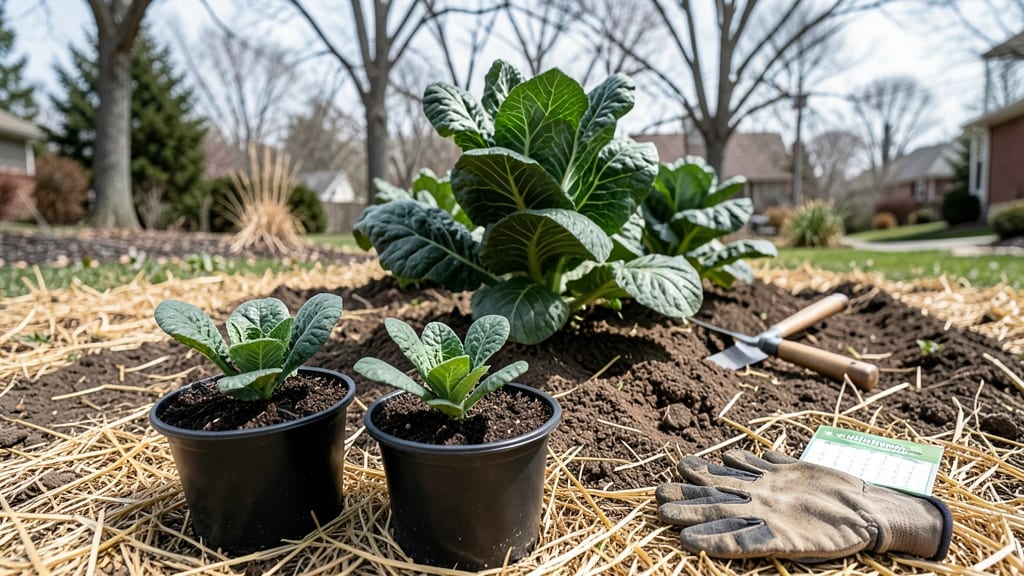
If you've ever wondered when to plant collards in South Carolina for the best harvest, timing is the secret weapon in your gardening toolkit. The right window means the difference between a thriving 🥬 patch and a disappointing yield.
South Carolina's mild winters and long growing season create perfect conditions for collards, but getting the timing right is crucial. Plant too early, and you risk bolting from summer heat; too late, and frost will cut your harvest short before winter sets in.
I'll walk you through the ideal planting windows for both spring and fall crops, tailored specifically for USDA zones 7b-8a. Whether you're in the coastal plains or the Piedmont region, these strategies will help you maximize your yield.
From soil preparation to frost protection, you'll discover everything you need to know to grow collards that thrive all season long. Let's get started on your path to a bountiful harvest!
South Carolina collard planting zones: USDA 7b-8a frost-free timeline
Timing your collard greens correctly in South Carolina means accounting for the state’s USDA zones 7b-8a, where mild winters and hot summers create two ideal planting windows.
Coastal areas like Charleston (Zone 8a) have longer frost-free seasons (240+ days), while Upstate regions like Greenville (Zone 7b) experience earlier frosts, often by mid-November. These differences mean your planting schedule should shift depending on your location.
For spring planting, aim to sow seeds 4-6 weeks before your last frost date, typically between late February and early March. This timing ensures your collards mature before summer’s 90°F+ heat triggers bolting.
In contrast, fall planting should occur 6-8 weeks before the first frost, usually August through early September, to maximize harvest before winter sets in.
Here’s how these windows break down across South Carolina’s three main regions:
| Region | USDA Zone | Last Frost | First Frost | Spring Planting Window | Fall Planting Window |
|---|---|---|---|---|---|
| Coastal (e.g., Charleston, Myrtle Beach) | 8a | March 1-15 | November 15-30 | Late February - Early March | August 15 - September 15 |
| Piedmont (e.g., Columbia, Camden) | 7b-8a | March 10-25 | November 1-15 | Late February - Early March | August 1 - September 10 |
| Upstate (e.g., Greenville, Spartanburg) | 7b | March 15-30 | October 31 - November 10 | Early March | July 30 - August 15 |
Collards thrive in cool weather and can tolerate light frosts, making them perfect for South Carolina’s fall harvest. However, they struggle in summer heat, so avoid planting after May 15 in most zones.
For example, if you’re in Zone 7b, your last chance to sow seeds for a fall crop is early August to ensure maturity before frost.
Pro tip: Use row covers or mulch to extend your growing season. In coastal areas, you might even squeeze in a third planting in early October for a late-fall harvest. Just monitor your local frost dates—they can shift yearly due to climate patterns.
If you’re unsure about your exact frost dates, check the SC State Climate Office or use a frost calendar app like Old Farmer’s Almanac. These tools provide hyperlocal data to fine-tune your planting schedule.
For instance, Myrtle Beach averages 250 frost-free days, while Greenville has only 210, so adjust accordingly.
For container gardening, start seeds indoors 4-6 weeks before transplanting outdoors. This gives you flexibility to move pots to shaded areas during peak summer heat and back to full sun as temperatures drop. Just ensure your containers have drainage holes to prevent root rot.
Remember, collards are biennial plants, meaning they’ll often overwinter and produce again the following spring. This makes them a low-maintenance perennial in South Carolina’s climate—once established, they’ll keep giving you harvests with minimal effort.
🌱
South Carolina collard planting zones: USDA 7b-8a frost-free timeline
South Carolina’s USDA zones 7b-8a create ideal conditions for growing collards, but timing varies by region. Coastal areas like Charleston experience milder winters, while the Upstate (Greenville/Spartanburg) faces earlier frosts. Understanding these differences ensures your collards thrive year-round.
Collards are cold-hardy and actually sweeten in frost, but they need a head start. For spring planting, aim for 4-6 weeks before your last frost date (typically late February to early March for most of SC).
Fall planting should occur 6-8 weeks before the first frost (usually August to September).
| Region | Last Frost Date | Spring Planting Window | Fall Planting Window |
|---|---|---|---|
| Coastal (Zone 8a) | March 1-15 | Late January - Early February | September - October |
| Piedmont (Zone 7b-8a) | March 15-30 | Late February - Early March | August - Early September |
| Upstate (Zone 7b) | April 1-15 | Early March - Mid-March | July - August |
For coastal gardeners, you can even start collards as early as January under row covers, but avoid planting before February 15 in inland areas. The key is to give collards 60-75 days of growth before temperatures drop below 20°F, which can damage the plants.
If you’re unsure about your exact frost dates, check your local Cooperative Extension Service or use a frost calendar for your county. For example, Columbia’s last frost is around March 15, while Myrtle Beach rarely sees frost before December. Adjust your planting schedule accordingly.
Pro tip: Use succession planting every 2-3 weeks during your region’s ideal window to ensure a continuous harvest. This works especially well for fall plantings, where you can extend your crop into December or January before the ground freezes.
Remember, collards are heat-sensitive—planting them in summer’s peak heat (June-July) will cause them to bolt prematurely. Save those seeds for cooler months when temperatures stay below 85°F.