
Plants
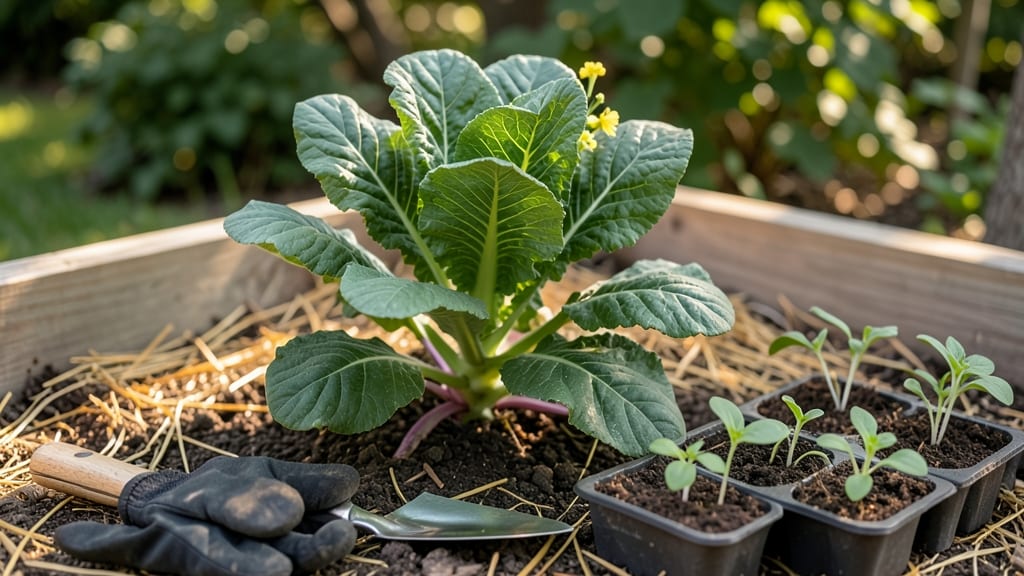
Timing is everything when it comes to growing collard greens in Georgia—plant them too early, and you risk bolting; too late, and your harvest suffers. The key to sweet, tender 🥬 lies in knowing exact months that align with GA’s unique climate zones (7a-9a).
Most gardeners in Georgia focus on two prime windows: early spring (February-March) and late summer (August-September). But why these months? It’s all about avoiding extreme heat and frost while maximizing growth before harvest season (April-May or October-December).
In this guide, I’ll break down the best planting strategies for your zone, including heat-tolerant varieties that thrive in GA’s summer swelter. You’ll also learn how to prep soil, space plants correctly, and avoid common mistakes that sabotage harvests.
Whether you’re a seasoned gardener or new to growing 🥬, these insights will help you plan for a bountiful, flavorful crop—no guesswork required.
Best planting months for collard greens in Georgia’s climate zones
Georgia’s climate—with its hot summers and mild winters—lets you grow collard greens year-round, but timing is everything. Plant too early, and you’ll battle heat stress; too late, and frost ruins your harvest. The key? Two perfect windows: early spring and late summer.
Most Georgia gardeners thrive with spring plantings in February-March and fall plantings in August-September. These months align with cooler temperatures and avoid extreme heat, which can make collards bitter or bolt prematurely.
But your USDA zone matters—Zone 7a (north GA) has later frost dates than Zone 9a (south GA).
For Zone 7a-8a, aim for February 15–March 15 in spring and August 1–September 15 for fall. In Zone 9a, you can push spring to March 1–April 1 and fall to September 15–October 1, thanks to longer frost-free seasons.
Missed these windows? Don’t worry—successive plantings every 3–4 weeks can extend your harvest. Just avoid June–July, when temperatures exceed 90°F, unless you’re growing heat-tolerant varieties (more on those later!).
| Zone | Spring Planting | Fall Planting | Key Consideration |
|---|---|---|---|
| 7a (North GA) | Feb 15–Mar 15 | Aug 1–Sep 15 | Later frost risk; use row covers |
| 8a (Central GA) | Feb 1–Mar 30 | Aug 15–Sep 30 | Balanced seasons; minimal stress |
| 9a (South GA) | Mar 1–Apr 1 | Sep 15–Oct 1 | Longer growing season; summer heat risk |
Pro tip: Use soil thermometers to confirm 60–70°F soil temps before planting. Cold soil slows germination, while hotter than 80°F can cause seed rot. In Zone 7a, wait until soil warms above 55°F in spring—usually by mid-March.
For fall plantings, start seeds 6–8 weeks before your average first frost (Zone 7a: November 15; Zone 9a: December 1). This gives seedlings time to establish before cool weather sweetens the leaves. In August, direct-sow seeds ½-inch deep and keep soil moist until germination (5–10 days).
Remember: Collards love cool weather but hate stagnant water. In Georgia’s humidity, poor drainage leads to fungal diseases like downy mildew. Amend clay-heavy soils with compost or sand to improve airflow. Mulch with straw to retain moisture without suffocating roots.
If you’re container gardening, plant in 5-gallon pots with well-draining mix. Containers dry out faster—water every 2–3 days in summer vs. every 4–5 days in fall. Place pots in full sun (6+ hours) but provide afternoon shade in Zone 9a during peak summer.
Finally, succession planting is your secret weapon. Sow new seeds every 2 weeks from February–April and August–September to ensure a continuous harvest. This works especially well in Zone 8a–9a, where mild winters allow year-round growth.
Best planting months for collard greens in Georgia’s climate zones
Georgia’s USDA zones 7a-9a create unique challenges for growing collard greens. Unlike cooler northern states, GA gardeners can plant year-round, but timing matters to avoid bitter leaves or premature bolting.
The ideal windows are early spring (February-March) and late summer (August-September), aligning with frost-free periods and temperature thresholds.
Spring planting (after March 15) gives plants time to mature before summer’s 90°F+ heat. Fall planting (before September 15) ensures harvests before first frost (avg. November 15). In Zone 9a, you can even plant year-round with shade cloth during peak summer.
Here’s how planting months break down by zone:
| Zone | Spring Planting | Fall Planting | Heat Tolerance |
|---|---|---|---|
| 7a (North GA) | Mid-March to early April | Late August to mid-September | Moderate (struggles above 95°F) |
| 8a (Central GA) | Late February to March | Early August to September | Good (handles 90°F+ with shade) |
| 9a (South GA) | January to February | July to August | Excellent (thrives year-round) |
For spring planting, aim for 2-3 weeks after your last frost date. In Zone 7a, this is typically mid-March, while Zone 9a gardeners can start as early as January. Use row covers if nighttime temps dip below 40°F.
Fall planting requires more precision. Seed 8-10 weeks before your first frost to ensure mature leaves. In Zone 8a, this means late August plantings for a November-December harvest. Always check your local frost dates—they can vary by 1-2 weeks yearly.
Pro tip: If you miss the ideal windows, try succession planting every 2 weeks in spring/fall for continuous harvests. Just avoid planting when daytime temps exceed 85°F—your collards will bolt faster than you can say "southern heat." 🌡️