
Plants
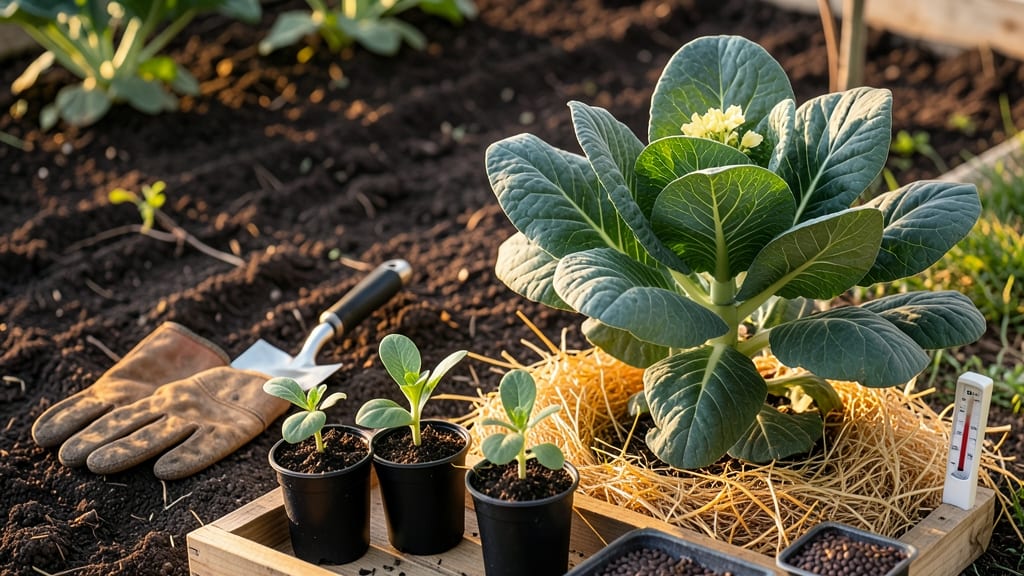
If you’ve ever struggled to grow collards 🥬 in Florida’s relentless heat, you’re not alone—but knowing when to plant collards in Florida is the secret to avoiding bitter leaves and wasted effort.
Unlike cooler climates, Florida’s frost-free winters and scorching summers demand a different approach, and planting at the wrong time can turn your garden into a sad, bolting mess.
Here’s the good news: with the right strategy, you can enjoy crisp, flavorful collards year-round, even in the dog days of summer. The key lies in understanding Florida’s microclimates—whether you’re in North Florida’s 9a zone or South Florida’s balmy 11—and choosing the perfect window to beat the heat.
Let’s break down the exact months to plant for maximum success.
Fall and winter are the golden windows for most gardeners, but summer planting is totally doable with the right heat-resistant varieties. I’ll show you which months work best in your specific zone, plus how to stretch your harvest through Florida’s tricky transition seasons.
No more guessing—just proven timing for collards that thrive.
Ready to skip the trial-and-error? Stick around to discover how to align your planting schedule with Florida’s weather patterns, pick the toughest varieties, and keep your 🥬 collards producing like a champ—no matter the season.
Best months to plant collards in Florida’s climate zones
Florida’s frost-free winters and scorching summers create a unique challenge for growing collards. Unlike northern states, you can plant year-round—but timing matters to avoid bolting (premature flowering) or heat stress.
The key is leveraging Florida’s three distinct climate zones (North, Central, South) to align planting with cooler temperatures and shorter daylight.
In North Florida (Zones 8a-9a), like Jacksonville or Tallahassee, you’ll experience the coolest winters and occasional light frosts (rare but possible). This zone has the most restricted planting window, while South Florida (Zones 10b-11), like Miami or Homestead, can grow collards year-round with minimal stress.
Central Florida (Zones 9b-10a) falls in between, offering flexibility but requiring shade strategies in summer.
🌱 Florida Collard Planting Calendar by Zone
| Zone | Best Planting Months | Avoid Planting | Key Notes |
|---|---|---|---|
| North (8a-9a) | August–October, February–March | May–July, December–January | Plant 60–75 days before first frost (rare but possible). Use row covers in winter. |
| Central (9b-10a) | Year-round, peak: August–November | June–July (extreme heat) | Provide afternoon shade in summer. Succession plant every 3 weeks for continuous harvests. |
| South (10b-11) | Year-round, no restrictions | None (but avoid peak summer heat) | Use drip irrigation to prevent heat stress. Harvest young leaves in summer for tenderness. |
🌡️ Pro Tip: Monitor soil temps—keep below 85°F for optimal growth.
For North Florida, focus on fall planting (August–October) to capitalize on cooler temps and longer daylight. This gives collards time to establish roots before winter’s mild chill. If you plant in spring (February–March), be prepared for bolting by May—use shade cloth to delay flowering.
In Central and South Florida, the real magic happens with succession planting. Start seeds every 3–4 weeks from August through January to ensure a steady supply. Summer planting (June–July) is possible but risky—only attempt it with heat-tolerant varieties and drip irrigation.
One common mistake? Planting too late in spring. By April, daytime temps often exceed 90°F, causing collards to bolt or wilt. Instead, opt for late summer plantings when temps begin to dip. This strategy works even in South Florida, where summer heat is relentless.
For container gardening, timing shifts slightly. Pots dry out faster, so plant in early fall (September) or late winter (February) to avoid stress. Use self-watering pots and place containers in partial shade during summer afternoons to protect roots.
Remember: Collards thrive in cooler weather, but Florida’s heat isn’t a dealbreaker. With the right varieties and shade strategies, you can enjoy fresh harvests year-round. Next, we’ll dive into the top heat-resistant collard varieties that perform best in Florida’s climate.
Best months to plant collards in Florida’s climate zones
Florida’s frost-free winters and scorching summers create unique challenges for growing collards. Unlike northern states, you can plant year-round—but timing matters to avoid bolting (premature flowering) or heat stress.
The key is leveraging Florida’s three distinct climate zones (North, Central, South) to align planting with cooler temperatures and optimal growing conditions.
In North Florida (Zones 8a-9a), where rare frosts can dip below 30°F in January, aim for late summer to early fall (August-October) and winter planting (November-February). Central Florida (Zones 9b-10a) enjoys milder winters, so you can extend planting into early spring (March-April) and late summer (July-August).
Meanwhile, South Florida (Zones 10b-11) allows nearly year-round planting, with fall and winter being ideal for peak harvests.
For fall planting, start seeds indoors 6-8 weeks before your target date or direct-sow in well-prepared beds with compost-rich soil. In Florida’s heat, direct sowing in summer is risky—opt for transplants from nurseries hardened to 90°F+ temperatures.
A light shade cloth (30-50%) can protect young plants during June-August when afternoon temps exceed 95°F.
Spring planting (March-April) works best in Central and South Florida, but avoid late spring (May) when soil temps often exceed 85°F, triggering bolting. Instead, focus on succession planting in fall and winter for continuous harvests.
In North Florida, prioritize winter crops (November-February) to capitalize on cooler temps and longer daylight.
Pro tip: Use a soil thermometer to monitor ground temps—ideal ranges are 60-75°F for germination and 65-80°F for growth. If temps climb above 85°F for extended periods, switch to heat-tolerant varieties like 'Georgia Southern' or provide afternoon shade.
Remember, Florida’s humidity and pests (like cabbage worms) peak in summer. Planting in fall or winter reduces these risks while aligning with collards’ natural growth cycle. With the right timing, you’ll enjoy crisp, flavorful leaves year-round—even in the heat! 🌱