
Plants
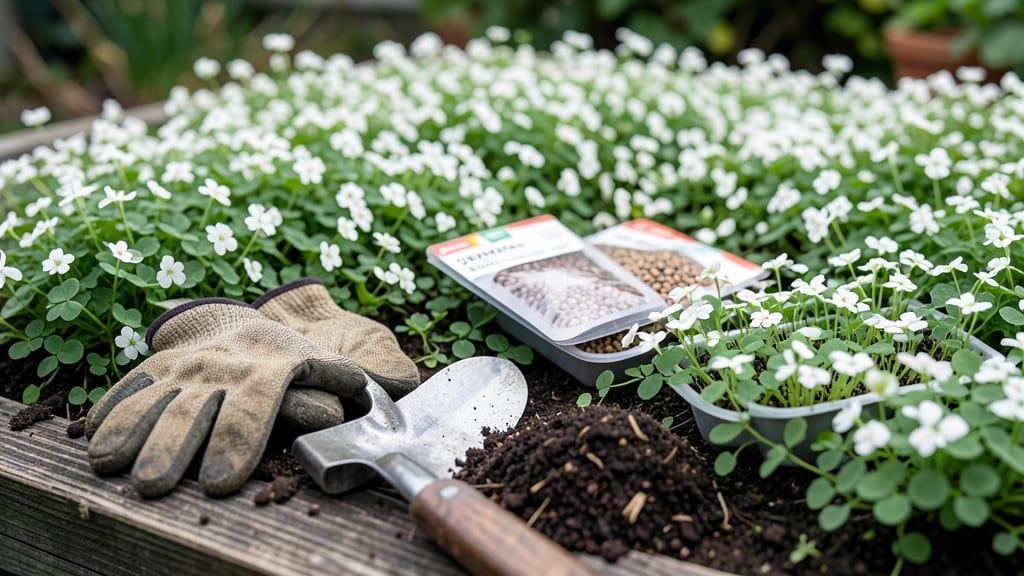
Timing your clover planting in Utah isn’t just about following a calendar—it’s about reading your microclimate like a weather map. Too early, and a late frost will turn your tender seedlings into sad, wilted memories.
Too late, and summer’s dry heat will leave your clover struggling to take root before winter arrives.
Here’s the game-changer: Utah’s USDA zones 5-8 create wildly different planting windows, from the high desert’s crisp March air to the mountain valleys where snow lingers until April.
Whether you’re in Salt Lake City or a rural farm, knowing the exact month to plant for fast, thriving clover could mean the difference between a lush green lawn and a patchy disappointment.
I’ll break down the fastest planting strategies for your specific corner of Utah—when to prep your soil, which varieties grow quickest in your zone, and how to stretch your window with simple tricks.
No more guessing games, just proven results for gardeners who want clover that establishes in half the time.
Ready to transform your yard? Let’s dive into the microclimate-specific months that’ll have your clover thriving before you know it.
Utah’s best planting months for clover by microclimate Zone
Utah’s three distinct microclimates—High Desert, Mountain Foothills, and River Valleys—each demand a tailored approach to clover planting. The USDA zones 5-8 across the state mean frost dates vary by 1,000+ feet in elevation, so timing is everything.
For fast germination (55–65°F soil), aim for these optimal windows:
In High Desert regions (e.g., Salt Lake Valley), plant Dutch White clover in late March to early April or mid-September. These areas experience earlier last frosts (mid-April) and hotter summers, so fall planting avoids heat stress.
For Mountain Foothills (e.g., Park City), wait until mid-April to May or late September—cooler soils delay germination.
River Valley zones (e.g., Ogden) mirror High Desert timing but with a 2-week buffer due to warmer microclimates. Use a soil thermometer to confirm 50°F+ temperatures before planting—this prevents seed rot in cooler pockets. Pro tip: Alsike clover thrives in these areas thanks to its drought tolerance.
🌱 Utah Clover Planting Guide by Zone
| Zone | Last Frost Date | Spring Planting Window | Fall Planting Window | Soil Temp Requirement | Best Variety |
|---|---|---|---|---|---|
| High Desert | Mid-April | Late March–Early April | Mid-September | 55–65°F | Dutch White |
| Mountain Foothills | Late April–May | Mid-April–May | Late September | 50–60°F | Crimson Clover |
| River Valleys | Early April | Late March–Early April | Mid-September | 60–70°F | Alsike Clover |
⚠️ Note: Adjust for 1,000 ft elevation = 3–5°F cooler soils. Use mulch to retain heat in spring.
If you’re in Zone 5 (northern Utah), like Franklin County, push spring planting to mid-April—earlier seeds risk frost damage. For Zone 8 (southern Utah), such as St. George, September 1st is your cutoff for fall planting to ensure 6-week root establishment before winter.
For container gardening in Utah’s urban areas (e.g., Salt Lake City), start seeds indoors in February under grow lights and transplant after last frost. Use fast-draining mixes to prevent root rot—clover hates soggy soil. My go-to trick? Add perlite to potting soil for better aeration.
Missed the spring window? Don’t panic—fall is your second chance. Seed Crimson clover by September 15th in most zones to ensure it blooms before frost. In high-elevation areas (e.g., Logan), aim for September 1st to avoid early snow cutting the season short.
Pro Utah gardeners swear by oversowing in late summer to stagger germination. Sprinkle seeds in August—some will sprout before frost, while others wait for spring. This insurance method guarantees year-round greenery, even in Utah’s unpredictable weather.
Always check local extension office forecasts—Utah’s microclimates can shift 100 miles apart. For example, Moab’s desert heat allows October planting, while Ogden’s valley chill demands September timing. When in doubt, plant a test row 2 weeks early to gauge
Signs your Utah soil is ready for clover (and how to fix delays)
Testing your Utah soil before planting clover is half the battle—especially with the state’s alkaline soils and unpredictable drought cycles. Clover thrives in moist, slightly acidic soil (pH 6.0–7.0), but many Utah gardens start with pH levels above 7.5.
I’ll show you how to check soil readiness and extend your planting window when conditions aren’t perfect.
First, dig a 6-inch soil sample and press it firmly in your hand. If it crumbles easily, it’s too dry for clover seeds (which need consistent moisture to germinate).
If it forms a tight ball, it’s either too wet or compacted—both can suffocate young roots. Utah’s high desert regions often swing between these extremes, so timing is everything.
🌱Pro Tip: Use a soil thermometer to confirm temperatures. Clover seeds won’t sprout below 55°F or above 85°F. In Salt Lake City, soil temps hit 55°F by mid-March, but in Park City, wait until late April due to higher elevations.
Warning Signs of Premature Planting
- Purple leaves: Clover turns purple when soil temps drop below 50°F—a sure sign of cold stress.
- Slow germination: Seeds taking 3+ weeks to sprout often fail due to moisture fluctuations or poor soil contact.
- Moldy soil: Excess moisture (common in Utah’s monsoon season) can cause seed rot.
🌧️ Fix It: Wait for stable soil temps (55–65°F) and improve drainage with compost or sand.
To extend your planting window, use mulch (straw or wood chips) to insulate soil and retain moisture. In fall plantings, a cold frame can add 2–4 weeks of growing time before the first frost.
I’ve successfully planted Dutch White clover in late October in St. George by covering seeds with row fabric.
If your soil pH is above 7.5, amend it with sulfur or peat moss 4–6 weeks before planting. Utah’s calcareous soils (common in the Wasatch Front) resist pH changes, so test again after amending. Aim for pH 6.5—this small adjustment can double your clover yield.
Finally, avoid planting during Utah’s high-wind periods (March–April and September). Young clover seedlings are fragile and can dry out or blow away. Use windbreaks (like burlap screens) or plant in sheltered microclimates, such as near fences or buildings.
🌿 With these checks, you’ll know exactly when your Utah soil is clover-ready—no more guesswork or wasted seeds!