
Plants
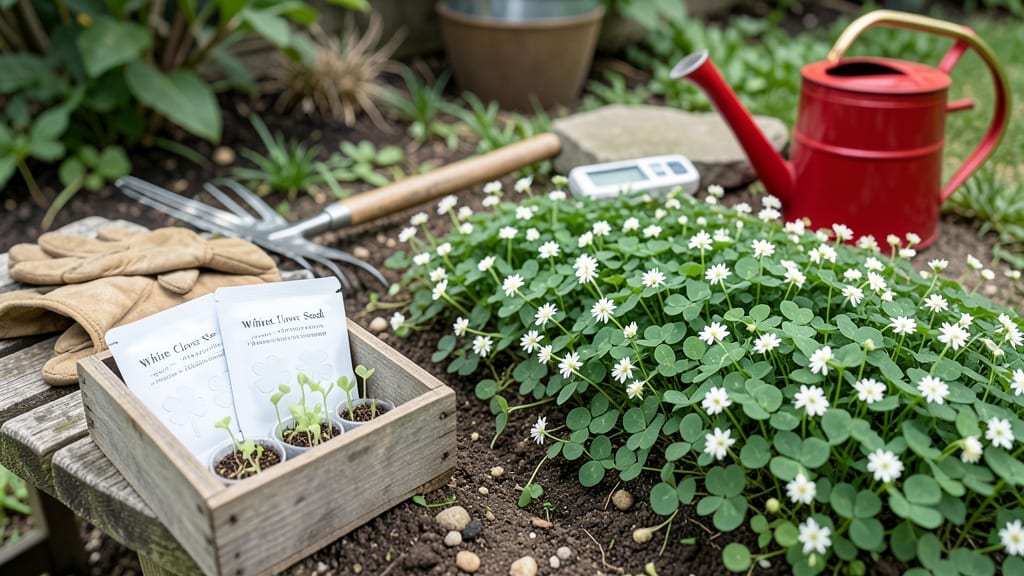
If you're wondering when to plant clover in Massachusetts, timing is everything—because this little 🌱 powerhouse thrives when given the right conditions. Whether you're using it to boost your lawn, support pollinators, or improve soil health, getting the planting window right makes all the difference.
Massachusetts gardeners know that clover isn’t just a pretty ground cover—it’s a hardworking perennial that can outperform grass in many ways. But planting too early or too late can leave you with sparse growth or even failure. The key is understanding the 5b-6b zone’s frost patterns and soil temperatures.
You’ve got two solid options: early spring (March-April) or early fall (August-September). Each approach has its advantages, depending on whether you want a quick spring green-up or a strong fall establishment. Let’s break down which timing works best for your goals.
From soil prep to frost considerations, I’ll walk you through everything you need to know to get your clover off to the strongest start. No more guessing—just proven strategies for Massachusetts’ unpredictable climate.
Best planting times for clover in Massachusetts: spring vs fall breakdown
Timing your clover planting in Massachusetts depends on whether you prefer spring or fall establishment. Both seasons offer unique advantages, but getting it wrong can lead to poor germination or winter damage. Let’s break down the best windows for each season, including soil temperature requirements and frost considerations.
Massachusetts spans USDA Zones 5b-7a, meaning frost dates vary by region. Coastal areas (like Boston) typically see their last frost around mid-April, while inland zones (like Western MA) may experience frost until late April.
First frosts arrive in mid-October across most of the state, so timing matters.
For spring planting, aim for early March to mid-April—once soil temperatures reach 50°F (10°C).
This gives clover time to establish roots before summer heat. Fall planting, on the other hand, should occur between mid-August and early September, allowing roots to develop before winter dormancy sets in.
Here’s how these planting windows compare across key factors:
Spring planting is ideal if you want quick establishment and summer blooms to attract pollinators like bees. However, early spring plantings (before late March) risk frost damage or slow germination in cold, wet soils. Use row covers if planting in Zone 5b to protect young seedlings.
For fall planting, prioritize late August to early September to ensure roots develop before first frost. This method is perfect for cover crops or lawn enhancement, as clover will overwinter and resume growth in spring.
Avoid planting after mid-September, as roots won’t have enough time to harden off.
Regardless of season, test your soil pH (clover thrives at 6.0–7.0amend with compost 2–3 weeks before planting. This step is critical for Massachusetts’ varied soil types, from sandy coastal soils to clay-rich inland areas. Mulch lightly after planting to retain moisture and suppress weeds.
Pro tip: If you’re planting white clover for lawns, spring is best for fast spread. For red clover (used in cover crops), fall planting maximizes nitrogen fixation before winter. Always choose certified organic seeds to avoid invasive varieties like black medic.
🌱
Best planting times for clover in Massachusetts: spring vs fall breakdown
Massachusetts gardeners face a critical decision when planting clover: spring or fall? The answer depends on your USDA zones (5b-7a) and local frost patterns. Both seasons offer advantages, but timing directly impacts germination rates and winter survival. Let’s break down the best windows for each approach.
For spring planting, aim for early March to mid-April after the last frost date (typically mid-April). Soil temperatures should reach at least 50°F (10°C) for optimal germination. This window ensures clover establishes before summer heat arrives, giving it a head start for year-round growth.
Fall planting, however, offers a second chance for gardeners who miss spring. Plant late August to early September, allowing 6-8 weeks of growth before the first frost (usually mid-October). This method reduces weed competition and helps clover develop strong roots before winter dormancy.
| Season | Best Time | Soil Temp | Frost Risk | Key Benefit |
|---|---|---|---|---|
| Spring | Early March–Mid-April | 50°F+ (10°C+) | Low (post-frost) | Full growing season |
| Fall | Late August–Early September | 60°F+ (15°C+) | Moderate (pre-frost) | Reduced weeds, strong roots |
Regional variations matter in Massachusetts. Coastal areas (Zone 6b) can plant slightly earlier due to milder winters, while inland zones (5b) should wait until soil warms. For cover crops, spring planting is ideal, while lawn enhancement benefits from fall’s slower weed growth.
Pro tip: Test your soil’s moisture retention before planting. Clover struggles in waterlogged or sandy soils, common in Massachusetts’ diverse landscapes. Adjust with compost or organic matter to improve conditions.
Whether you choose spring or fall, prioritize soil prep and frost timing to ensure your clover thrives year-round. With the right approach, you’ll enjoy lush growth, pollinator support, and weed suppression for seasons to come. 🌱