
Plants
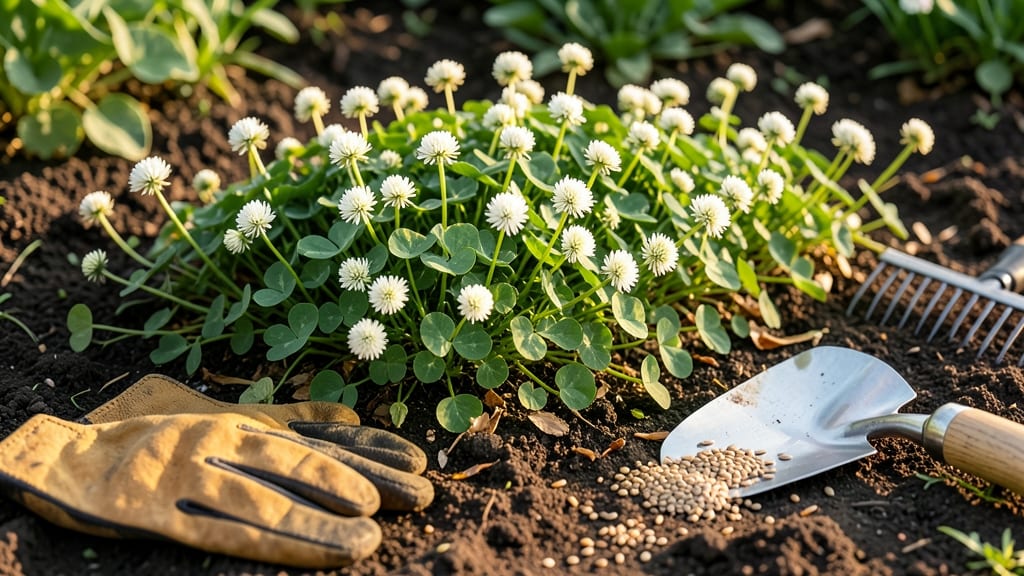
Timing your fall clover planting can make the difference between a lush, nitrogen-rich lawn next spring and a patchy, underperforming garden. The key window—late August through early October—gives clover 🌱 roots time to establish before winter dormancy, but miss it, and you’ll risk weak growth or wasted seeds.
Why does this matter? Fall-planted clover thrives because cooler temperatures reduce weed competition while allowing roots to strengthen before harsh winter conditions. For USDA Zone 6a (like much of the Midwest), aim to plant 4-6 weeks before your first frost—typically between mid-September and early October—for the best results.
Whether you’re sowing clover as a cover crop, a pollinator-friendly lawn, or a soil-enriching groundcover, the prep work is simple but critical. Loosen the soil, adjust pH if needed, and choose the right variety (Dutch white for lawns, microclover for pollinators).
I’ll walk you through the exact steps to ensure your clover takes root strong and survives winter.
Ready to transform your garden? Let’s break down the ideal planting schedule by region, soil prep tips, and how to spot early signs of success—so you can enjoy a vibrant clover patch by next spring.
Best fall planting months for clover by u.s. climate zones
Fall planting gives clover a head start on root growth before winter dormancy. The key is planting 4-6 weeks before your first frost, allowing seeds to germinate and establish before cold sets in.
Miss this window, and you risk weak seedlings or winter kill. Let’s break down the best fall planting months by USDA hardiness zones to ensure your clover thrives.
In cool climates (Zones 3-5), aim for late August to early September. These regions experience early frosts, so planting too late leaves little time for roots to develop.
For example, in Zone 4, with a first frost around October 15, your last planting window is early September. In Zone 5, where frost arrives by mid-October, you can push it to late September.
For temperate zones (6-8), the window widens to mid-September to early October. Here, mild winters and later frosts give clover more time to establish. In Zone 7, with frost typically arriving in November, you can plant as late as early October.
Meanwhile, Zone 8 gardeners have until mid-October, thanks to warmer winters.
In warm climates (Zones 9-11), fall planting is ideal for avoiding summer heat stress. Plant September to early November, but avoid planting too close to winter rains, which can cause erosion.
For instance, in Zone 9, where frost is rare, focus on September-October to let roots establish before cooler weather arrives.
Pro Tip: Check your local last frost date and count backward 6 weeks to determine your planting deadline. Use tools like the USDA Plant Hardiness Zone Map or your local cooperative extension service for precise guidance.
🌱 Fall Clover Planting Timeline by Zone
| USDA Zone | Climate Type | Best Planting Window | First Frost Date | Key Consideration |
|---|---|---|---|---|
| Zones 3-5 | Cool | Late August - Early September | Mid-October | Early frost risk; prioritize root growth |
| Zones 6-7 | Temperate | Mid-September - Early October | Late October - November | Balanced window for establishment |
| Zones 8-9 | Warm | September - Early November | December (rare) | Avoid late rains; focus on soil prep |
| Zone 10+ | Tropical | September - October | None (or minimal) | Plant for spring bloom; minimal dormancy |
If you’re planting clover as a cover crop, aim for late summer to early fall in all zones. Cover crops benefit from 6-8 weeks of growth before winter to build soil nitrogen.
For example, in Zone 6, planting in September ensures roots establish before frost, while still allowing time for nitrogen fixation before dormancy.
For lawns and pollinator gardens, timing shifts slightly. In cool zones (3-5), plant Dutch white clover in late August to give it time to spread before winter. In warmer zones (8-11), you can plant as late as November, but prioritize September-October for best results.
Pollinators like bees rely on early spring blooms, so established roots by winter are critical.
Regardless of your zone, avoid planting too early (before August). Early fall heat can stress young seedlings, while late planting risks frost damage before roots establish. Use a soil thermometer to ensure soil temps are 60-70°F—ideal for clover germination—before sowing.
Best fall planting months for clover by u.s. climate zones
Your clover planting window in fall depends entirely on your USDA hardiness zone and last frost date. For example, in Zone 4-5 (northern states), aim to plant between late August and mid-September—at least 6 weeks before frost.
In Zone 6-7 (Midwest/Southeast), you’ve got more flexibility: mid-September to early October works best.
Southern gardeners in Zone 8+ can push planting to early November, but avoid sowing after October 15th—cool nights and mild days are ideal for germination. Pro tip: Check your local frost calendar (like the National Weather Service) for precise deadlines.
Here’s a quick breakdown of your optimal planting window by zone, plus key soil prep steps to maximize success:
| USDA Zone | Best Planting Window | Soil Prep Tip |
|---|---|---|
| 4-5 (Cold Climates) | Late August–Mid-September | Add compost to improve drainage |
| 6-7 (Temperate) | Mid-September–Early October | Test pH (6.0–7.0) with a kit |
| 8-9 (Warm Climates) | Early–Mid October | Mulch after planting to retain moisture |
| 10+ (Mild Winters) | Early November (if no frost) | Use lightweight seed mix for sandy soil |
Why does this matter? Planting too early (like July) gives weeds a head start, while sowing too late (after October 15th) risks frost damage before roots establish.
For example, in Zone 6a, clover sown in early October will have 8–10 weeks of growth before winter—enough to develop a 2-inch root system.
One more tip: If your soil is heavy clay, plant 2 weeks earlier to avoid compaction. For sandy soil, delay by 1 week to prevent moisture loss. Always choose certified organic seeds to avoid invasive varieties like white Dutch clover, which can spread aggressively.
Ready to prep your soil? Next, we’ll cover how to adjust pH, choose the right clover variety, and avoid common pitfalls that derail fall plantings. 🌱