
Plants
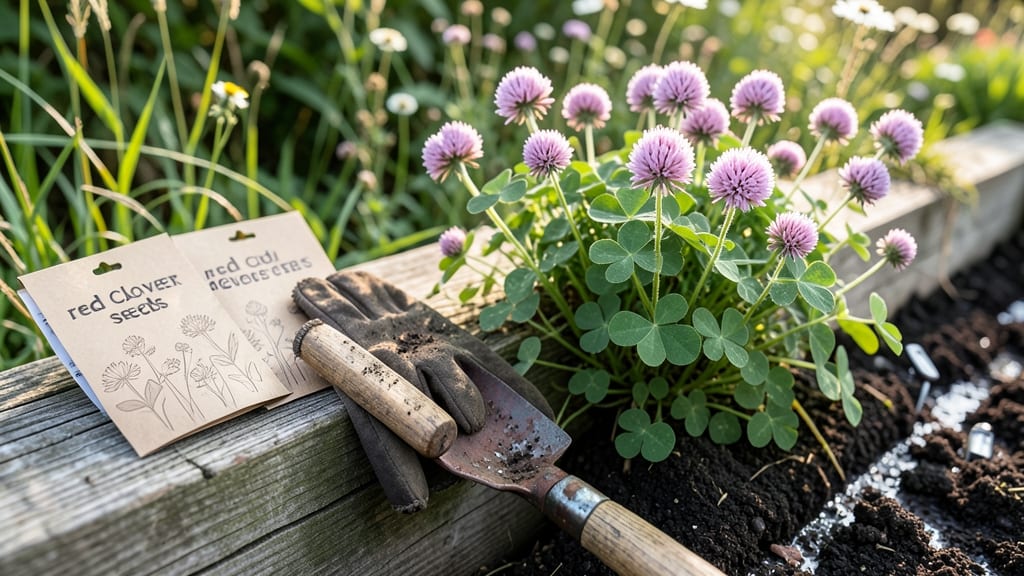
Planting clover in Iowa’s Zone 5a/5b climate isn’t just about tossing seeds into the ground—it’s about timing them perfectly to avoid frost damage or weak growth. Whether you’re aiming for a lush cover crop or vibrant blooms, getting the timing right makes all the difference.
The key? Knowing when soil temperatures rise above 50°F and avoiding those tricky late-spring freezes.
For most Iowans, the ideal window opens in early spring (March–April), right after the last frost date around April 15. But don’t overlook fall planting—August to September gives clover a head start before winter sets in.
Both strategies work, but each comes with its own set of challenges, from soil prep to weed competition.
I’ll break down exactly when to plant based on your local microclimate, plus how to prep your soil for maximum success. No guesswork—just proven tips to get your 🌱 clover thriving year-round. Let’s dive into the best months and methods for your Iowa garden.
Ready to transform your yard or farmland? You’ll learn how to read frost patterns, adjust for your specific zone, and even troubleshoot common mistakes. By the end, you’ll have a clear plan to plant clover with confidence—no matter whether you’re a backyard gardener or a large-scale farmer.
Iowa Zone 5a/5b clover planting deadlines by variety type
Planting clover in Iowa’s Zone 5a/5b requires precision—miss the window, and you’ll battle frost damage or slow germination. Each clover type has its own ideal timing, from white clover (hardy and early) to red clover (fast-growing but frost-sensitive).
Understanding these deadlines ensures your cover crop thrives before Iowa’s first frost on October 15.
Iowa’s last frost date typically falls around April 15, but microclimates in southern Iowa (like Zone 5b) may see frost-free conditions a week earlier. Northern areas (like Zone 5a) can linger colder, so adjust your planting timeline accordingly.
The key is to sow seeds when soil temperatures hit 50°F+—critical for germination.
Here’s a quick breakdown of planting deadlines by clover type, tailored to Iowa’s climate:
| Variety | Spring Planting Window | Fall Planting Window | Key Notes |
|---|---|---|---|
| White Clover | March 15–April 15 | August 15–September 15 | Cold-hardy; tolerates light frost. Ideal for lawns and erosion control. |
| Red Clover | April 1–May 15 | August 1–September 1 | Fast-growing but frost-sensitive. Best for soil improvement; avoid late fall planting. |
| Alsike Clover | April 15–May 1 | August 15–September 1 | Drought-tolerant but prefers cooler temps. Rare in Iowa but great for wet soils. |
For spring planting, aim to finish sowing by April 15 to give clover enough time to establish roots before Iowa’s summer heat sets in. White clover, the most cold-resistant variety, can handle early March sowing if soil temps are stable above 50°F.
Use a seed drill or broadcast seeds lightly—clover needs good soil contact to germinate.
Fall planting offers a second chance, especially for red clover, which benefits from cooler temperatures. Sow seeds 4–6 weeks before the first frost (around September 15 in most of Iowa).
This timing allows clover to germinate and develop roots before winter dormancy. Avoid planting too late, or seedlings may not survive Iowa’s early frosts.
Iowa’s southern regions (Zone 5b) can push fall planting slightly later—up to October 1—but northern areas (Zone 5a) should stick to September 15 as a cutoff.
Test your soil’s pH (6.0–7.0) before planting; clover thrives in slightly acidic to neutral soil. Amend with lime if needed to avoid stunted growth.
Pro tip: Mix clover seeds with a light layer of compost before sowing. This improves soil structure and gives seedlings a nutrient boost. Water gently after planting to settle seeds into the soil without washing them away—critical in Iowa’s variable spring rains.
Monitor local frost forecasts via the Iowa State University Extension or NOAA for real-time adjustments. In years with early frosts, shift fall planting to August for better success. Patience pays off: clover establishes slowly but rewards you with year-round ground cover and improved soil health.
🌱
How Iowa’s soil temperature and frost patterns affect clover germination
Clover seeds in Iowa won’t germinate properly if planted too early—when soil temperatures dip below 50°F, they simply sit dormant. This is why timing matters more than just avoiding frost dates.
In Zone 5a/5b, soil warms slowly, often staying too cold for clover germination until mid-April or later, even after air temperatures rise.
For spring planting, wait until the ground reaches 55°F at a 2-inch depth—use a soil thermometer to check. This typically aligns with late April in most of Iowa, but southern counties like Des Moines may see viable conditions by early April.
Northern areas like Dubuque often need to wait until May.
Fall planting is trickier because clover needs 4-6 weeks to establish roots before the first frost (mid-October in Iowa). Plant no later than early September to ensure strong root growth before winter sets in. If you miss this window, your clover will struggle to survive the cold.
Iowa’s microclimates also play a role. Urban areas like Cedar Rapids may warm faster than rural farmland, while low-lying spots can stay colder longer. Use local USDA frost maps and historical data to adjust your planting schedule. For example, areas near Lake Iowa often experience delayed spring warming.
Another key factor is moisture retention. Clover seeds need consistent moisture to germinate, but Iowa’s spring rains can sometimes lead to waterlogged soil. If planting in April, prepare your soil with compost or sand to improve drainage. This prevents seed rot and ensures even germination.
Finally, remember that red clover germinates faster than white clover in cool conditions, while alsike clover prefers slightly warmer soil. Adjust your timing based on the variety you’re planting—this can mean the difference between a thriving cover crop and a failed patch.