
Plants
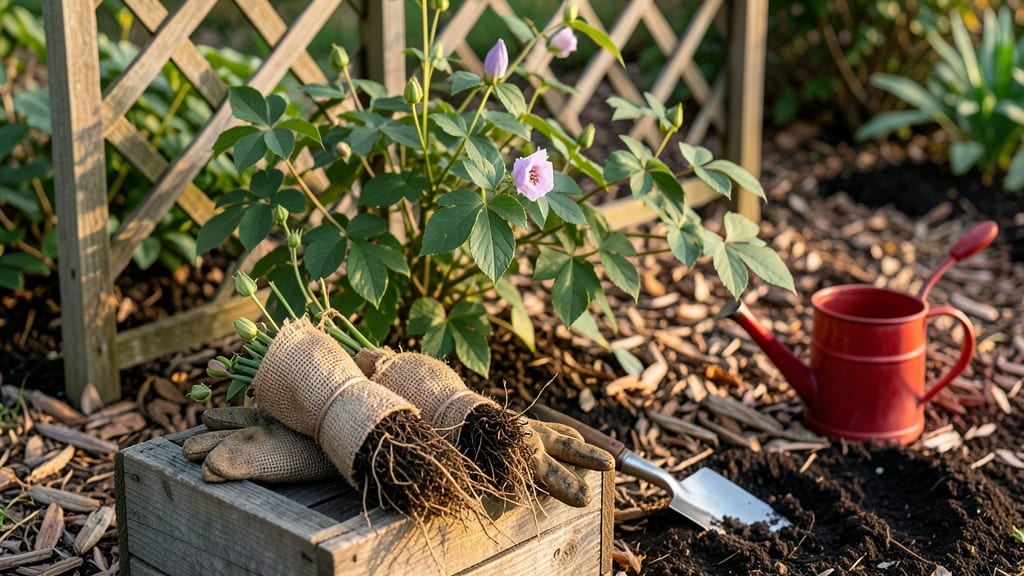
Timing your clematis planting in Michigan could mean the difference between a stunning 🌸 display next spring and struggling vines that never quite thrive. Michigan’s 5b-6b zones bring unique challenges—like unpredictable late frosts—that demand precision when choosing your planting window.
Most gardeners swear by early spring (April) or early fall (September) as the best times, but the real secret lies in reading your local frost dates and soil conditions.
Plant too early, and a surprise frost could wipe out your delicate starts; too late, and your clematis might not establish strong roots before winter sets in.
I’ll walk you through exactly when to get those roots in the ground—whether you’re in Detroit’s warmer pockets or Traverse City’s cooler climate—plus soil prep tips to give your vines the fighting chance they deserve. Let’s make sure your clematis gets off to the right start.
From choosing the perfect month to avoiding Michigan’s sneaky frost traps, this guide covers everything you need to know for healthy, blooming vines that’ll be the envy of your neighborhood. Ready to dig in?
Michigan’s frost-free zones and ideal clematis planting windows by month
Michigan’s USDA hardiness zones 4b-6b create a nuanced timeline for planting clematis, where a single week can mean the difference between a thriving vine and frost damage.
The last spring frost typically arrives between mid-April and late May, while the first fall frost hits mid-October to early November, depending on your region.
For Detroit (Zone 6a), the frost-free window spans April 20–October 20, while Traverse City (Zone 5b) sees a shorter window of May 1–October 10. Understanding these dates ensures your clematis gets the 6–8 weeks of warm soil needed to establish roots before winter.
In Michigan, spring planting (April–May) is ideal for most gardeners, giving vines time to root before summer heat. However, fall planting (September–early October) offers advantages for early bloomers like Clematis montana, as roots establish in cool soil while the plant remains dormant.
Always check your local Almanac frost dates—even a 2-week delay can stunt growth in Michigan’s unpredictable climate.
For southern Michigan (Zones 6a-6b), like in Ann Arbor or Kalamazoo, you can plant clematis as early as late March if using container-grown plants, but bare-root varieties should wait until mid-April to avoid frost.
In northern Michigan (Zones 4b-5a), such as Marquette or Sault Ste. Marie, delay planting until after May 15 to ensure soil temperatures stay above 50°F (10°C).
Clematis thrives when planted during its dormant season, which in Michigan aligns with early spring or fall. Spring planting allows vines to establish roots before summer heat, while fall planting lets roots grow in cool, moist soil without competing with summer blooms.
Both methods work, but fall planting is riskier in colder northern zones due to early frosts.
🌱 Michigan Clematis Planting Timeline by Zone
| Zone | Spring Planting Window | Fall Planting Window | Last Frost Date | First Frost Date |
|---|---|---|---|---|
| 6a (Detroit, Ann Arbor) | April 15–May 15 | September 15–October 5 | April 20 | October 20 |
| 5b (Grand Rapids, Lansing) | April 30–May 10 | September 1–September 20 | May 5 | October 10 |
| 4b (Traverse City, Marquette) | May 15–June 1 | August 20–September 5 | May 15 | October 1 |
*Dates are averages—always verify with your local Michigan State University Extension for real-time updates.
When planting clematis in Michigan’s clay-heavy soils, aim for well-draining locations to prevent root rot. A south-facing wall or trellis provides warmth and support, while mulching with straw retains moisture during dry spells.
In Zone 5b and below, consider planting near evergreens to shield vines from harsh winds, which can stress young plants.
For container-grown clematis, you can plant 2 weeks earlier than bare-root varieties, as their roots are already established. However, avoid planting after June 1 in Michigan, as new roots won’t have time to harden off before winter.
If you miss the spring window, fall planting in September is your next best option, provided soil temperatures stay above 50°F (10°C).
Pro tip: Use frost blankets if planting in late April or early May, especially in northern Michigan. These protect tender vines from late frosts, which can occur as late as mid-May in some years. Always monitor your local National Weather Service for frost warnings during planting season.
Clematis varieties like ‘Jackmanii’ and ‘Perle d’Azur’ thrive in Michigan’s climate, but early bloomers like ‘Montana’ benefit most from fall planting. Late bloomers, such as ‘The President’, can handle spring planting without sacrificing bloom time. Choose your variety based on your planting timeline and desired bloom season.
Remember: Michigan’s microclimates vary—urban areas like Detroit may be 1–2 weeks warmer than rural zones. Use these guidelines as a starting point, then adjust based on your specific location’s frost history.
With the right timing, your clematis will reward you with vibrant blooms from early summer to fall.
Fall vs. spring planting in Michigan: which offers better bloom timing?
Deciding whether to plant your clematis in Michigan during spring or fall can feel like a high-stakes gamble. Each season offers unique advantages—and risks—that directly impact your vines’ bloom potential and overall health. Let’s break down the pros and cons so you can choose the best strategy for your garden.
Spring planting (April–May) is the classic choice for many Michigan gardeners, offering a longer growing season to establish roots before winter. However, it also means racing against unpredictable late frosts, which can damage tender new growth.
Fall planting (September–October), on the other hand, gives your clematis a head start on root development, often leading to earlier and more abundant blooms the following year.
For early bloomers like Clematis montana, fall planting can be a game-changer. These varieties thrive when planted in early fall, allowing roots to settle in before winter dormancy.
Meanwhile, late bloomers such as Clematis ‘Jackmanii’ often benefit more from spring planting, ensuring they have ample time to mature before Michigan’s first frost.
Spring Planting (April–May)
- Longer growing season for root establishment
- Easier to monitor soil conditions
- Better for late-blooming varieties
- Risk of late frost damage
- Slower initial growth compared to fall
- Requires consistent watering
Fall Planting (September–October)
- Earlier blooms next season
- Reduced risk of drought stress
- Better root establishment before winter
- Limited time to establish roots before frost
- Harder to assess soil readiness
- May require extra mulching
If you’re in southern Michigan (like Detroit or Kalamazoo), fall planting might be your best bet. The milder winters give roots extra time to settle in. Meanwhile, gardeners in northern Michigan (such as Traverse City) often find spring planting safer, as the shorter frost-free window can limit fall root growth.
Pro tip: If you’re unsure, opt for bare-root clematis in early spring. These plants are dormant and can handle Michigan’s unpredictable frosts better than potted varieties. Just be sure to plant them 4–6 inches deep to protect the crown from freezing.
No matter which season you choose, the key is to prepare your soil and support structure in advance. A well-planned planting window—paired with the right variety—will set your clematis up for a show-stopping display next year. 🌸